
03 Aug 2025
Juliana Dato Abdul Latif: Women of Power 2025 by Prestige Singapore
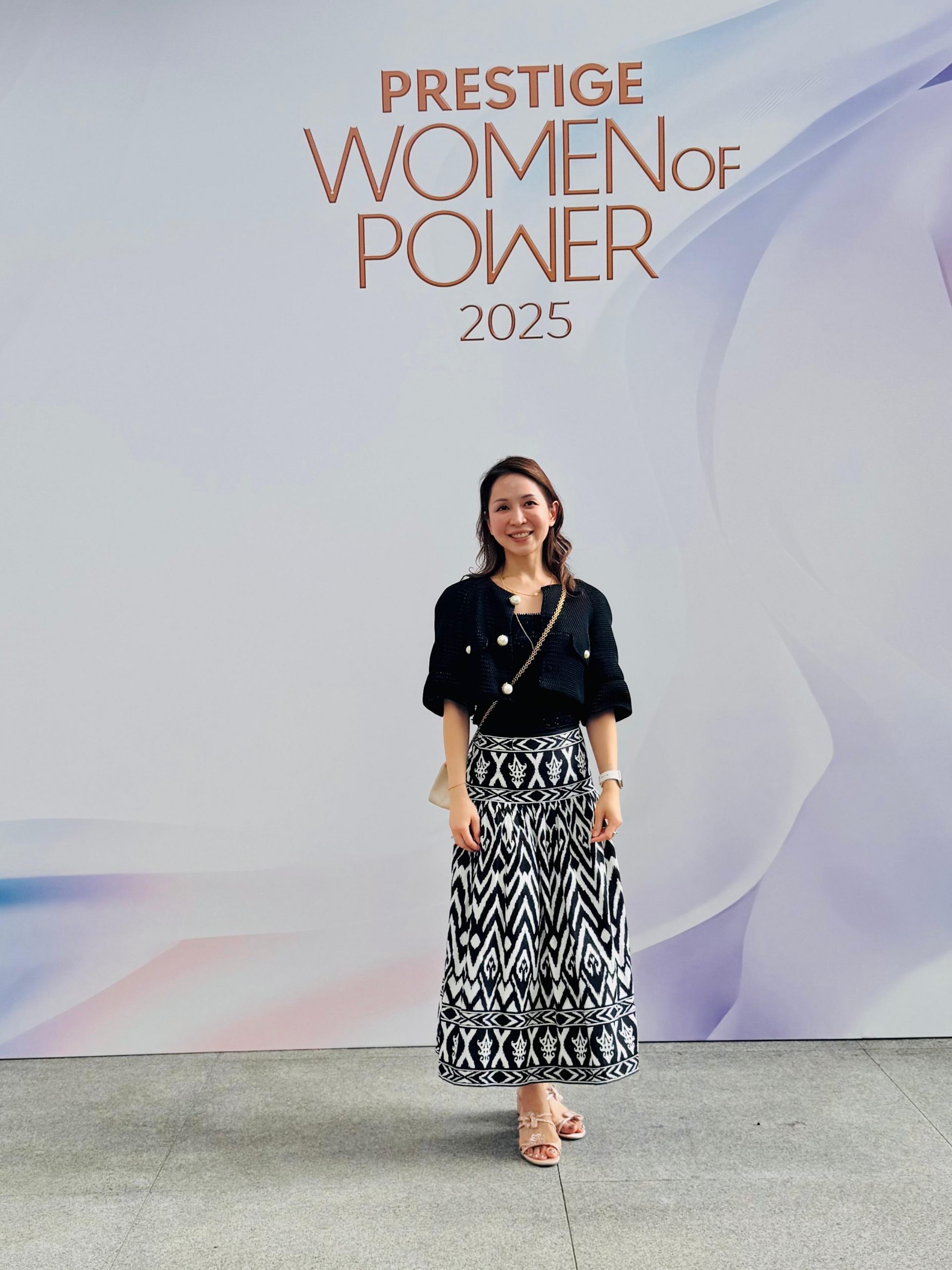
Juliana Dato Abdul Latif
Co-owner, Fusion Medical
It is hard to see a silver lining when one is diagnosed with breast cancer at 38. But today, as a doctor and breast cancer survivor, Dr Juliana Latif brings rare authority to Singapore’s women’s health advocacy. Leading screenings for 4,000 to 5,000 patients annually at Fusion Medical – where 10 per cent of female patients require specialist referrals for breast abnormalities – she bridges clinical practice with grassroots education to combat systemic gaps in early detection.
While being a doctor allowed her fast-tracked tests and second opinions, Juliana highlights that the primary issue within the local healthcare landscape is not access – it is ignorance. Critical gaps – young women dismissing symptoms due to perceived low risk, and lower-income groups facing logistical hurdles despite subsidies – are proving the main barriers, notes the tireless advocate of early detection.
Rejecting fear-based messaging, Juliana champions empowerment: “Fear may grab attention but it rarely leads to sustained action. However, when you show women how to do a self-exam, when you normalise the conversation, when you say ‘this saved my life’ – that’s when something shifts.” At Fusion Medical, she educates female patients, be it ensuring that they go for their routine mammograms, or teaching younger patients self-examination techniques. Juliana furthers her work by volunteering with the Breast Cancer Foundation, which plays an important role in raising awareness and supporting women – especially those who have fallen through the cracks of the existing healthcare system.
While acknowledging the Singapore government’s initiatives to provide affordable screening, Juliana highlights the limitations of public health policies guided by economic cost-benefit analyses. “Historical data likely showed that breast cancer screening for women aged 50 and above justify public funding support. However, with emerging data indicating a rise in breast cancer diagnoses among women under 50, it is crucial to regularly review and update these findings and screening guidelines,” she shares, observing a rising trend of under-40 cases.
Juliana is also of the opinion that the private sector can help play a part in bridging the gap. “Corporations can include breast cancer screening as part of their annual health packages, not as an optional add-on,” she proposes, praising an increasing number of SMEs adopting this practice.

