
Early Warning Signs, How Screening Catches It, Pre-Diabetes in Singapore
Pre-Diabetes in Singapore: Early Warning Signs and How Screening Catches It

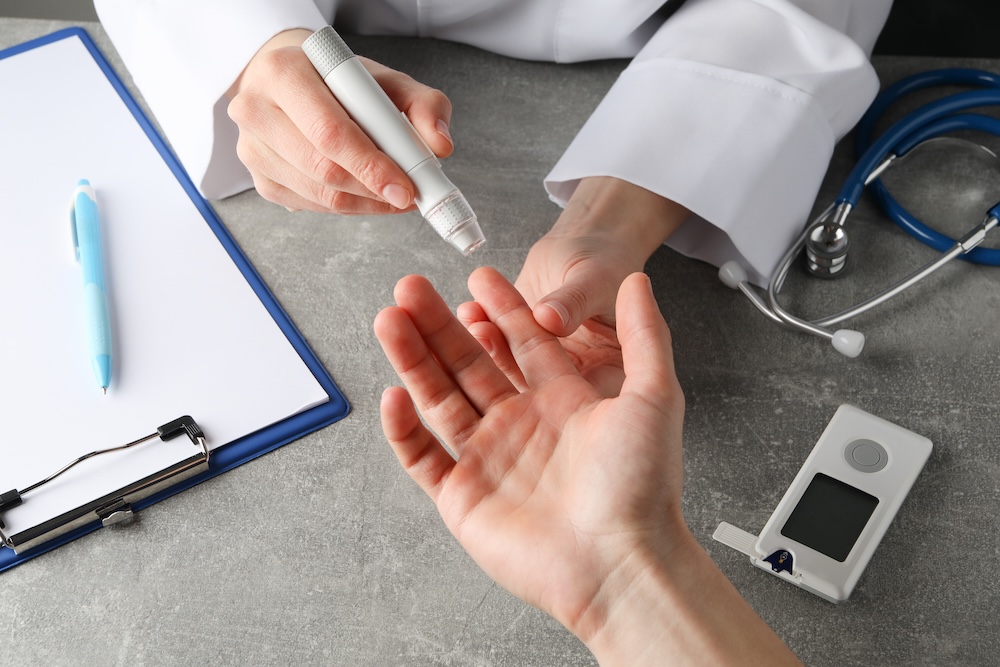
Pre-diabetes means your blood sugar is higher than normal but not yet high enough to be diagnosed as type 2 diabetes. It typically causes no obvious symptoms and is usually found through routine screening. In Singapore, around 430,000 adults aged 18–69 have pre-diabetes—and without lifestyle changes, roughly one in three will develop diabetes within eight years. The encouraging news: pre-diabetes is often fully reversible.
Pre-diabetes is the intermediate stage between healthy blood sugar levels and type 2 diabetes. Clinically, it covers two overlapping conditions:
Both indicate that your body is beginning to struggle with processing sugar effectively. Crucially, pre-diabetes is usually “silent”—most individuals feel completely fine, which is why routine screening is essential for early detection.
Pre-diabetes is one of Singapore’s most significant preventive health priorities and sits at the heart of the national War on Diabetes initiated by the Ministry of Health (MOH):
|
430,000 Adults Affected Approximately 14% of Singaporeans aged 18–69 have pre-diabetes (MOH / HPB). |
|
1 in 3 Progression Rate Without intervention, at least 1 in 3 people with pre-diabetes develop type 2 diabetes within 8 years. |
|
High Lifetime Risk 1 in 3 Singaporeans faces a lifetime risk of developing diabetes overall. |
While most people have no symptoms, some subtle signs can appear in certain cases:
Because symptoms are rare, doctors rely on risk factors to identify who should undergo blood tests. You are at higher risk if you:
Pre-diabetes is identified through simple blood tests. In Singapore, screening typically starts with a fasting blood glucose test, sometimes followed by an oral glucose tolerance test (OGTT) or an HbA1c test for confirmation.
| Test Type | Normal | Pre-Diabetes | Diabetes |
|---|---|---|---|
| Fasting Plasma Glucose (FPG) | Below 6.1 mmol/L | 6.1–6.9 mmol/L | 7.0 mmol/L or above |
| 2-Hour OGTT | Below 7.8 mmol/L | 7.8–11.0 mmol/L | 11.1 mmol/L or above |
| HbA1c (3-Month Average) | — | ~6.1–6.9% | 6.5% or above |
*Note: Singapore clinical guidelines traditionally favour fasting glucose and OGTT for formal diagnosis, with HbA1c used as a supporting measure. Results should always be evaluated by a medical professional.
Screening Frequency: National guidelines recommend screening starting from age 40 (or earlier if risk factors are present). Repeat testing every three years if results are normal, and annually if pre-diabetes is detected.
Yes. Pre-diabetes reflects current metabolic dysfunction rather than permanent damage. Structured lifestyle changes can return blood sugar levels to normal limits:
If you are 40 or older—or younger with existing risk factors—speak to a doctor about a blood sugar test. Eligible Singapore Citizens and Permanent Residents can access subsidised health screening via the Screen for Life program.
A blood glucose test is standard in overall health evaluations. Explore Fusion Medical’s comprehensive health screening packages or review options for women’s health screening if you have a history of gestational diabetes.
No. Pre-diabetes means blood sugar is above normal but below the diagnostic threshold for diabetes. Unlike established diabetes, pre-diabetes can often be completely reversed with lifestyle modifications.
Usually not. Most people feel completely fine, which is why pre-diabetes is almost always discovered through routine blood testing rather than symptoms.
A fasting blood glucose test is the primary baseline test, often accompanied by an oral glucose tolerance test (OGTT) or HbA1c screening.
A fasting blood glucose of 6.1–6.9 mmol/L or a 2-hour OGTT result of 7.8–11.0 mmol/L indicates pre-diabetes. Your doctor will evaluate your specific results in clinical context.
Yes, in many cases. Modest weight loss, physical activity, and dietary adjustments can return blood sugar levels to normal limits or significantly delay progression to type 2 diabetes.
Screening is generally advised every 3 years from age 40 if your results are normal, or annually if pre-diabetes is detected.
Disclaimer: This article is for general educational information and does not constitute medical advice. Please consult a doctor regarding your specific screening and health needs.
At Fusion Medical, every health screening package concludes with a doctor consultation to review your results in plain language, so you are never left to interpret a report alone.

Breast density can only be confirmed by a mammogram, not by how breasts look or feel.

Learn about lung cancer in Singapore, including key statistics, symptoms, causes in non-smokers, screening options, and why early detection matters.

Dr Wenus Ho is a family physician and a designated workplace doctor with more than a decade of clinical experience. She is also currently a postgraduate tutor for the Graduate Diploma of Family Medicine (GDFM) Training Program in the Yong Yoo Lin School of Medicine, Singapore....

After graduating from Guys’, King’s and St Thomas’ School of Medicine in the United Kingdom, Dr Juliana went on to complete her Graduate Diploma in Family medicine at the National University of Singapore. She also has completed her diploma in Occupational Medicine. Dr Juliana applies her...

Dr Yong graduated from University College London, United Kingdom, with a Bachelor of Medicine & Bachelor of Surgery with distinction in medical sciences. She has more than 10 years of experience as a general practitioner, and was accredited as family physician by the Family Physician Accreditation...
Start your skin health restoration journey with us today!

501 Orchard Rd #04-11, Singapore 238880

Mon-Fri :8:30am – 5:30pm
Sat :8:30am – 1:00pm
Sun / PH :Closed
1 Fusionopolis Link, #01-05 Nexus
@ One-North , Singapore 138542
Mon-Fri :8:30am – 5:30pm
Sat/Sun / PH :Closed


Fat Freeze + X Wave at S$98
Vanquish ME + X Wave at S$199

