Mon-Fri : 8:30am – 5:30pm┃Sat : 8:30am – 1:00pm
wheelock@fusionmedical.com.sg
501 Orchard Rd #04-11, Singapore 238880
Fusion Medical
aesthetic clinic singapore
+65 8802 1542
Have Any Questions?
Fusion Medical
aesthetic clinic singapore
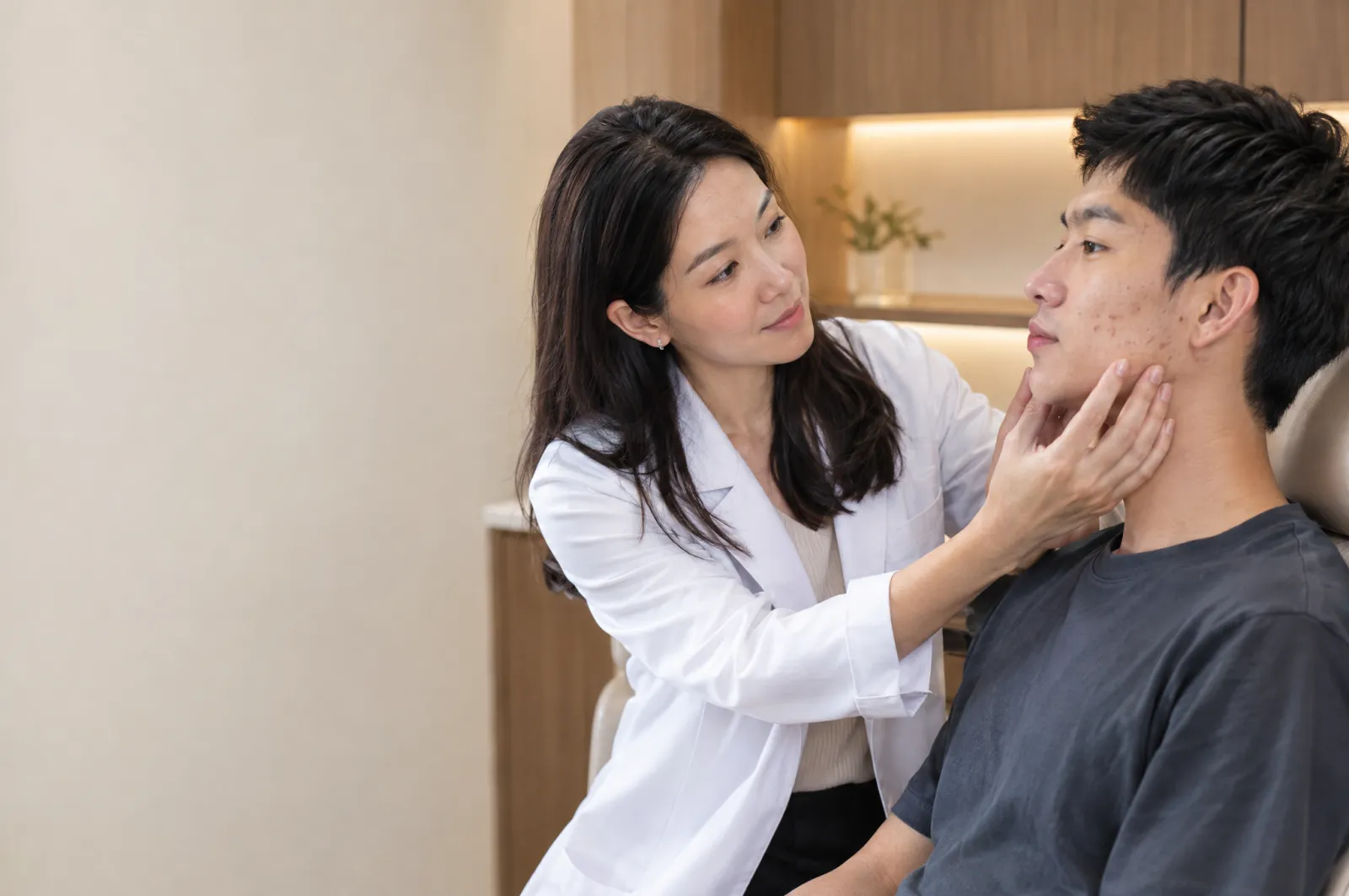
Doctor examining the cheek and jawline of a young man with mild acne

Acne · Singapore

Acne treatment in Singapore, matched to your breakouts.

Blocked pores, inflamed pimples and deep cysts need different care. Our doctors assess your acne in detail, then combine medicines, lasers and skin treatments to control it.

What does acne treatment in Singapore involve?

The type of acne you have shapes the treatment.

Acne treatment controls breakouts and lowers the risk of the scars they can leave. Acne can affect people of all ages, and whiteheads, blackheads, pimples, cysts and nodules are all forms of it, so the type of acne you have shapes the treatment, from medicines to laser.

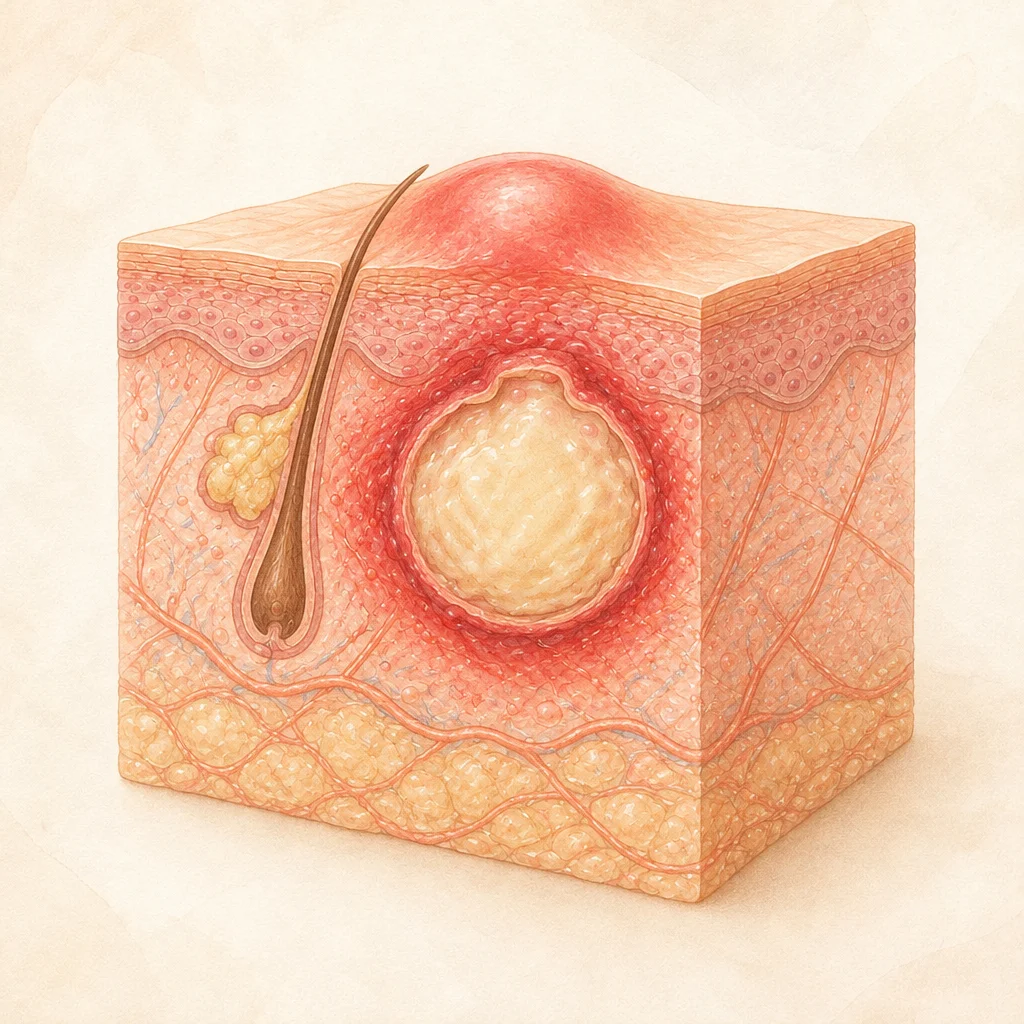
Follicles connect the sebaceous, or oil, glands in the skin to the surface through the pores. Acne happens when the follicles get blocked and a collection of oil, skin cells and other debris clump together into a plug. This plug can become infected with acne bacteria (C. acnes, previously called P. acnes), causing swelling along with the production of pus.

There are a variety of medical treatments available for acne, and multiple factors are considered when planning one specific to your needs. Our doctors assess your skin in detail before treating your acne, and often combine medicines with in-clinic treatments and skincare.

  • Type first — blocked pores, pimples and cysts are treated differently
  • Doctor-led — prescription medicines when they are needed
  • Combined care — medicines, lasers, RF and skincare together
  • Scar prevention — early treatment lowers the risk of acne scars
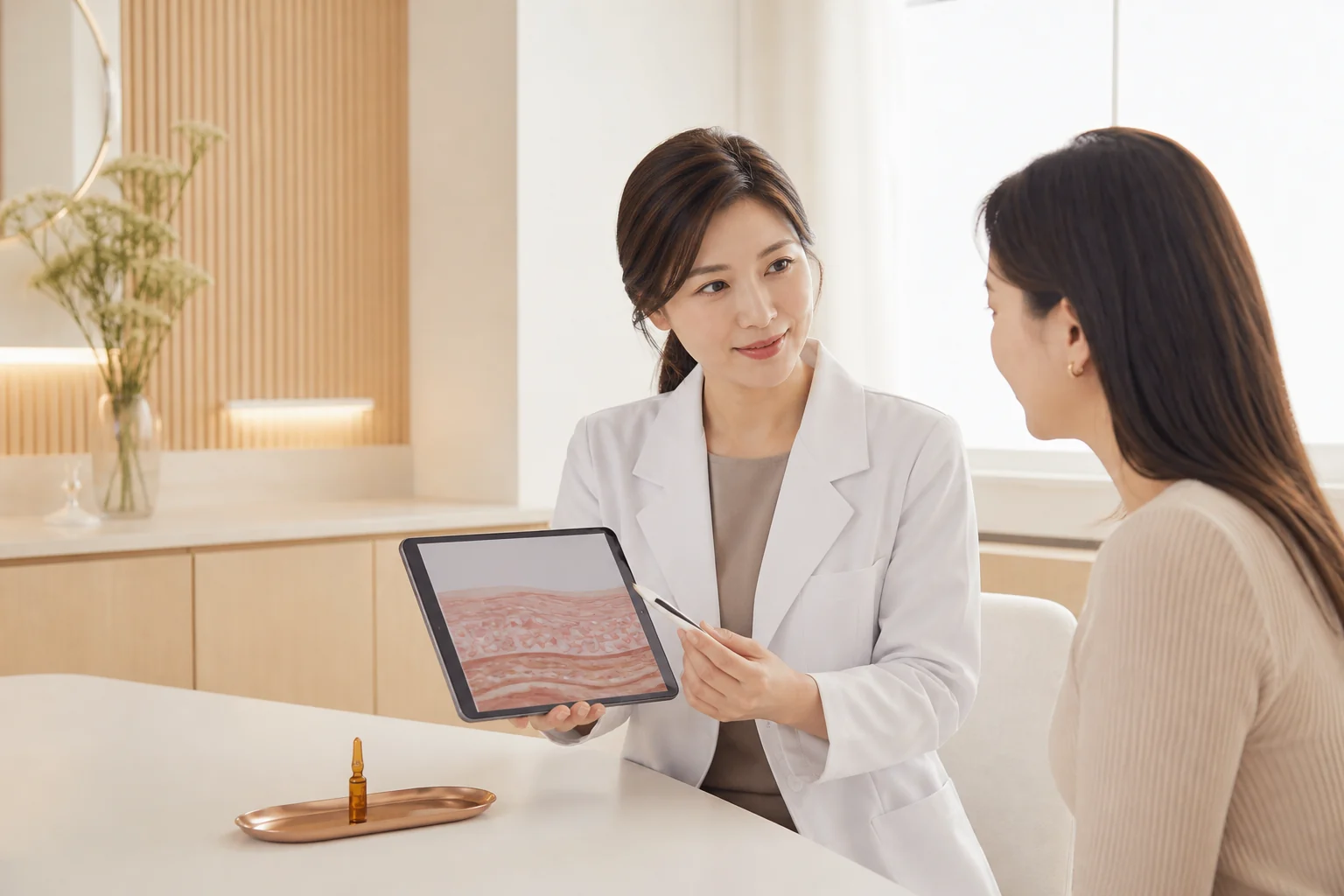
Doctor explaining an illustration of the skin's layers to a patient on a tablet
Your doctor explains what is driving your acne before starting treatment.

Types of acne

What are the different types of acne?

Whiteheads, blackheads, pimples, cysts and nodules are all types of acne. They sit at different depths, from blocked pores at the surface to painful lumps deep in the skin, and the deeper and more inflamed the acne, the more likely it is to need a doctor and to leave scars.

See how we assess acne

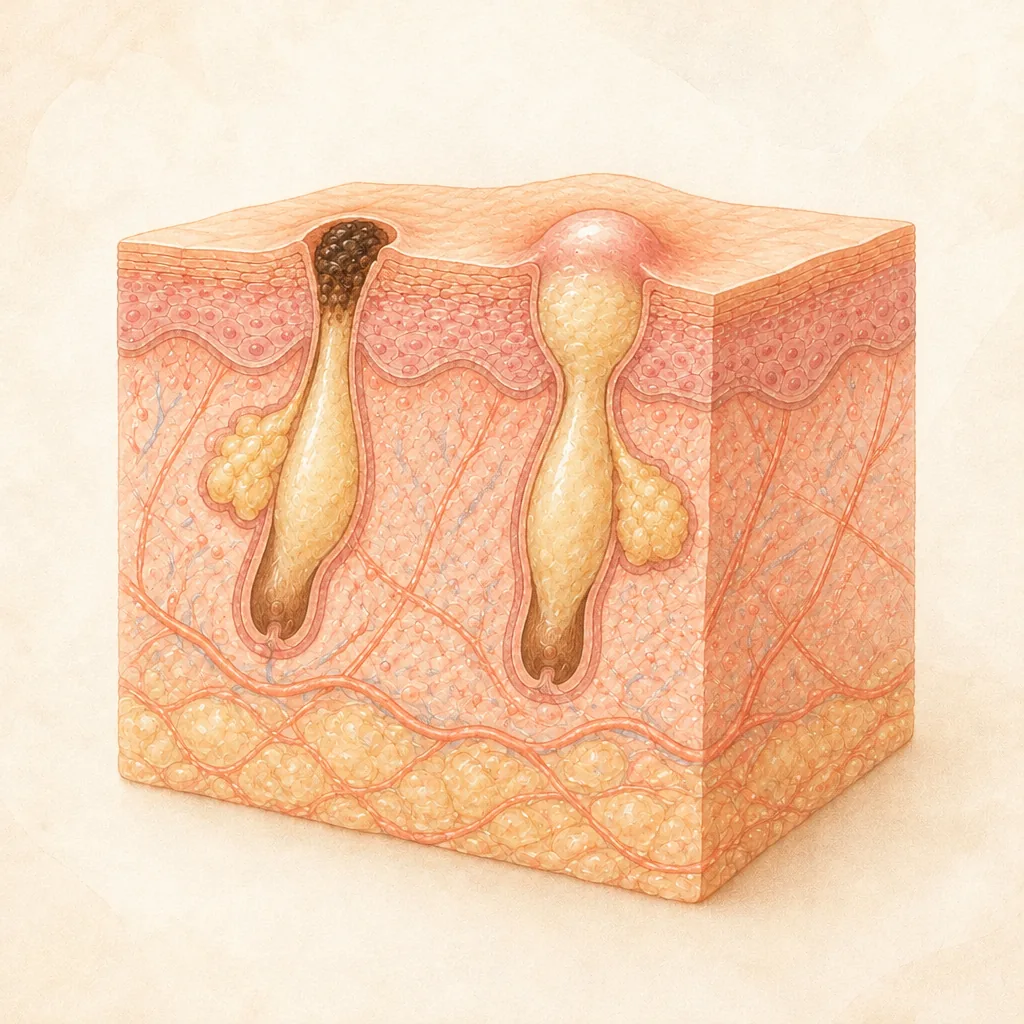
Skin cross-section showing a blackhead (open comedone) and a whitehead (closed comedone) in blocked pores

Blocked pores (comedones)

Whiteheads occur when skin cells, bacteria and oil get trapped in a pore that then closes, creating a white or yellow bump. Blackheads are almost the same, but the pore stays open: the trapped material is exposed to the air and oxidises, turning it black.

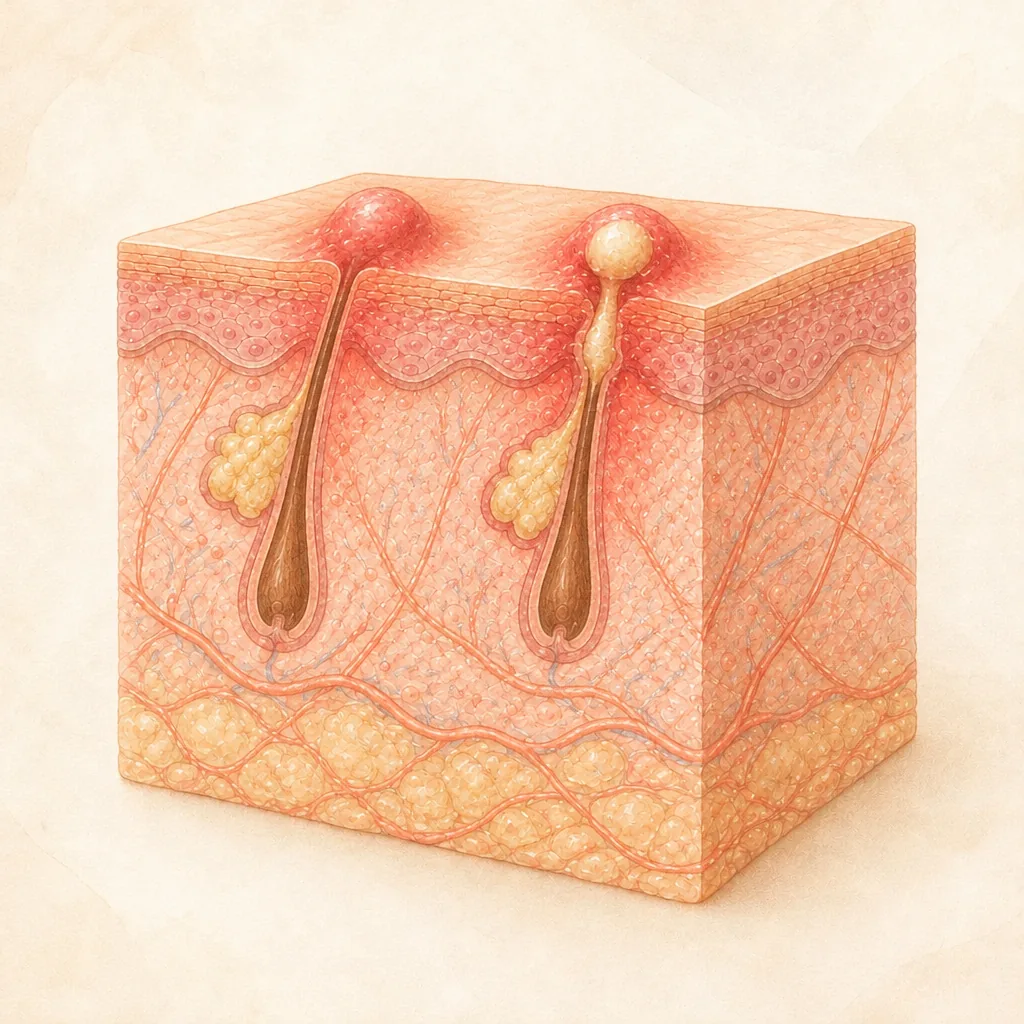
Skin cross-section showing an inflamed papule and a pus-filled pustule

Illustration of a deep, inflamed cyst filled with pus beneath a red, swollen bump in the skin

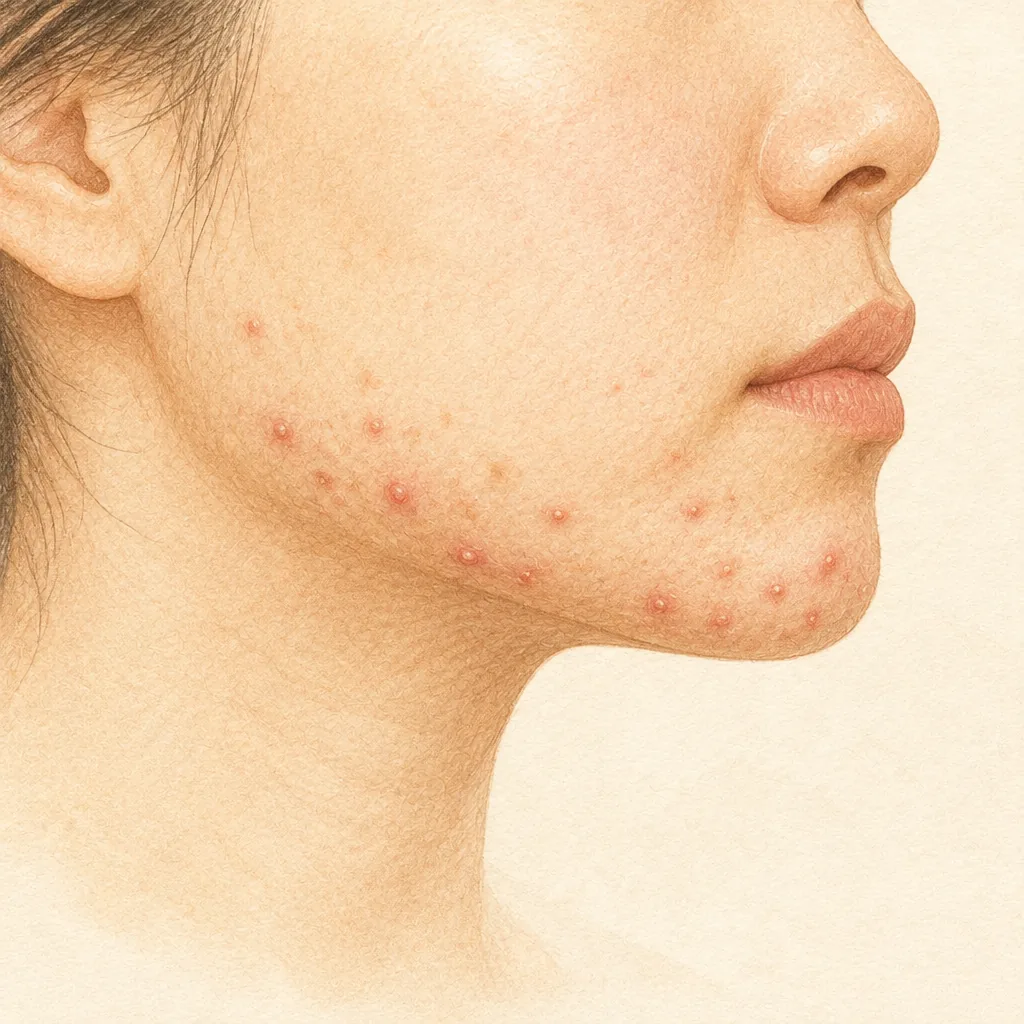
Lower face of an adult woman with recurring acne spots and marks along the jawline and chin
Acne treatment options by type
Concern Where we usually start thenWhen we look further
Whiteheads and blackheads Over-the-counter salicylic acid or benzoyl peroxide, with HydraFacial deep cleansing and extraction. A prescription topical retinoid (a vitamin A derivative) if they persist.
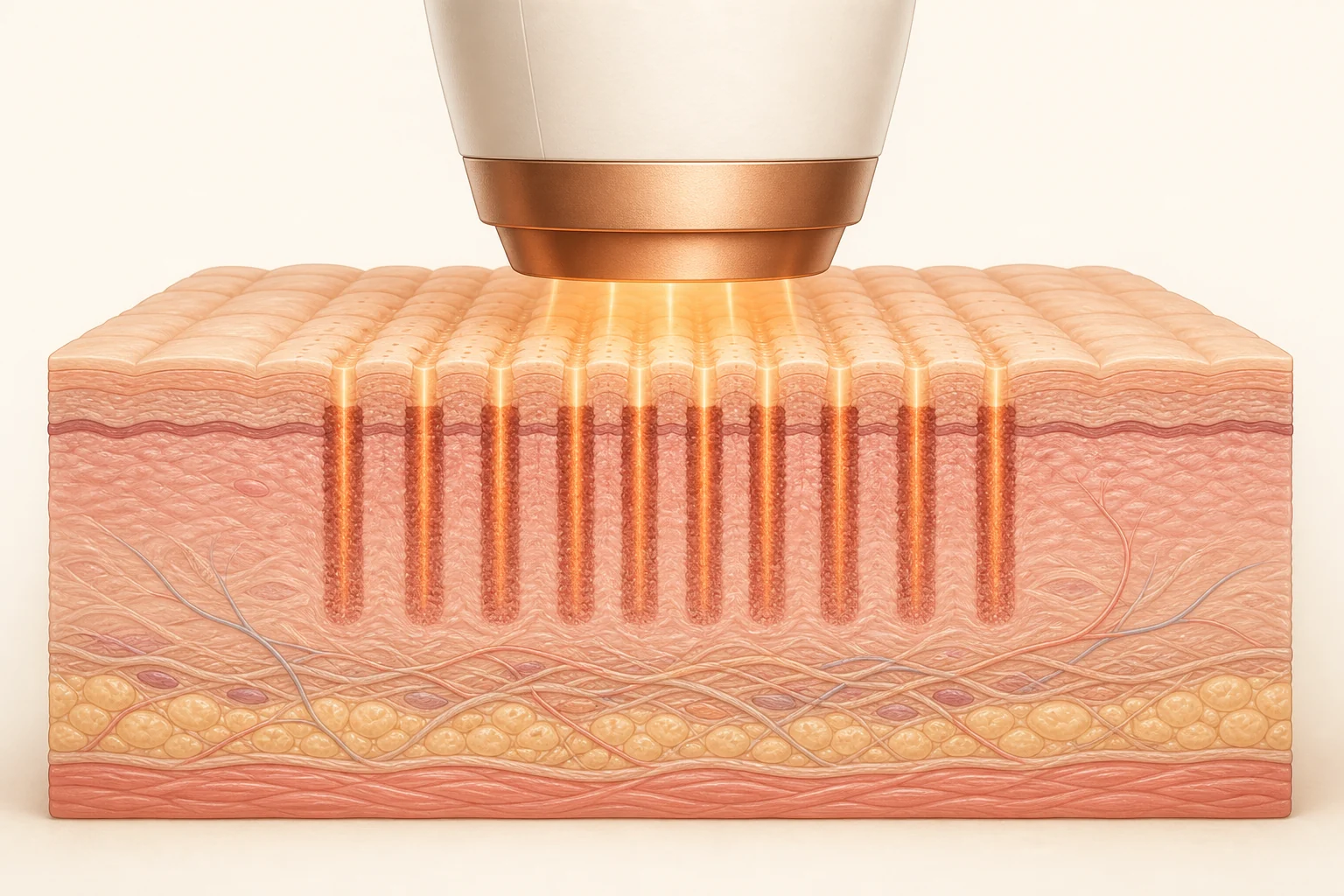
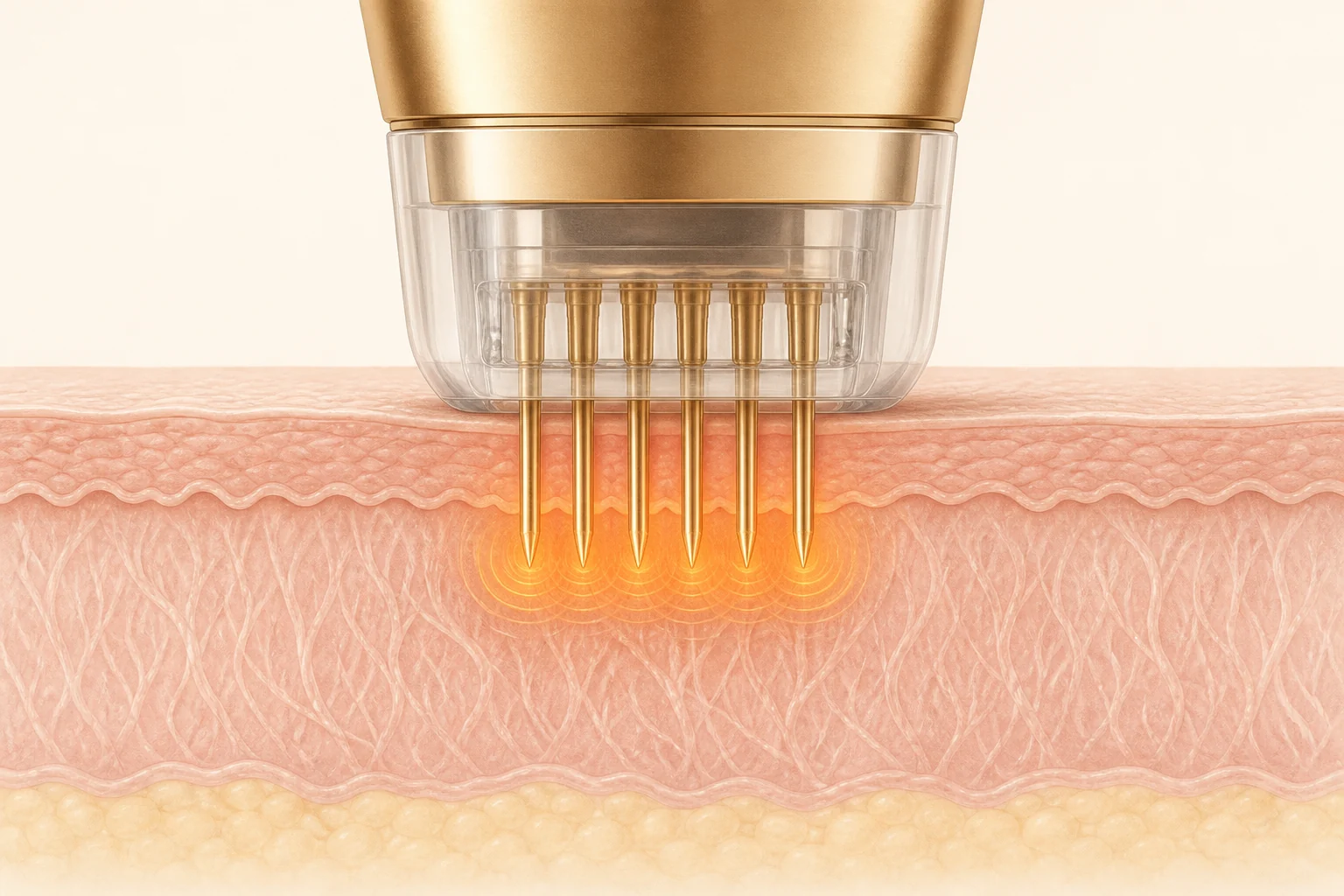
Inflamed pimples Prescription topical medicines, with oral medicines such as antibiotics if needed. Laser or RF microneedling to reduce inflammation and oil-gland activity.
Cysts and nodules A doctor's assessment early, with prescription medicines; no squeezing. Checks for hormonal causes when acne is severe or comes with irregular periods.
Acne not improving after 6–8 weeks A doctor's review of your skin, products and medicines, and a prescription plan. Adding in-clinic treatment: laser, RF microneedling, DPL or exosomes.
Marks and scars after acne Sun protection and no picking; for dark marks that linger, your doctor may discuss tranexamic acid, a prescription medicine. An acne scar treatment plan for depressed or raised scars.
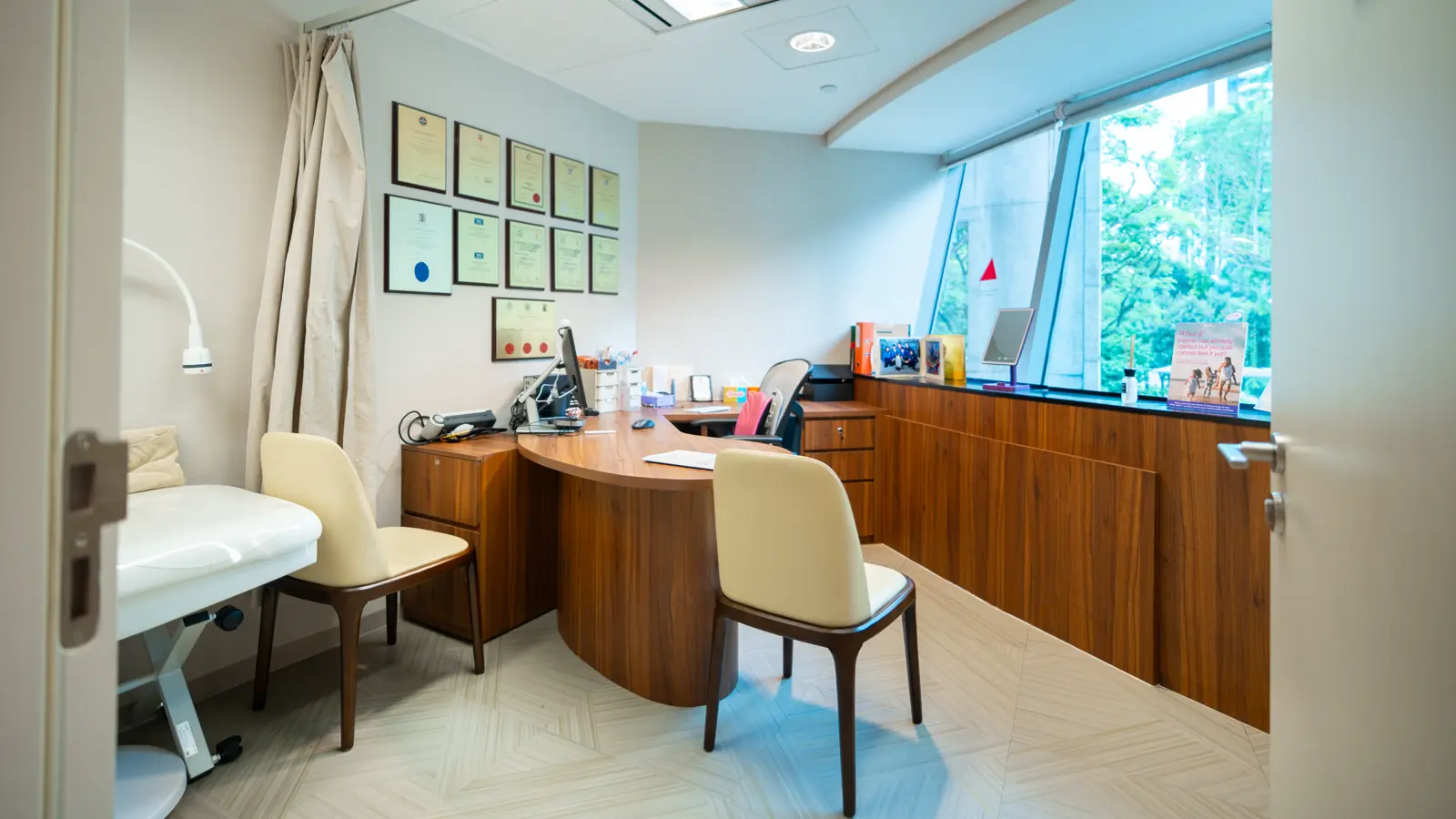
Doctor's consultation room at Fusion Medical with a curved wooden desk and framed certificates
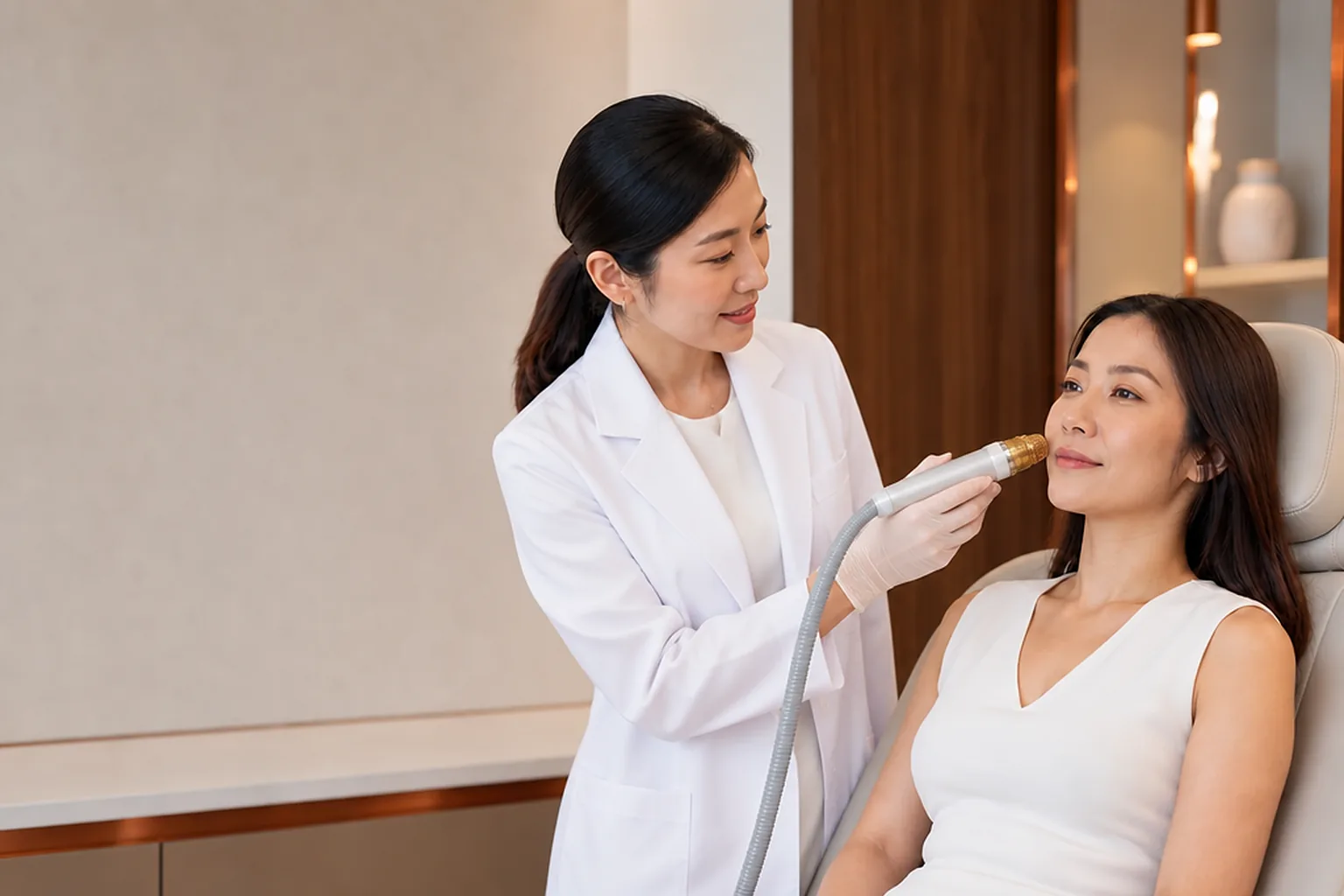
Radiofrequency microneedling handpiece being used on a patient's cheek

Your treatment journey

Identify the type. Treat the cause. Keep it under control.

  1. Consult

    Tell the doctor how long you have had acne, where it appears, what you have tried and for how long, and about your periods, pregnancy plans, medicines and skincare.

  2. Assess

    The doctor examines your skin in detail to identify blackheads, whiteheads, inflamed pimples, cysts or nodules, and any marks or scars, and checks what may be contributing.

  3. Choose

    Together you agree a plan: topical or oral medicines, in-clinic treatments such as laser, RF microneedling or DPL, and a skincare routine suited to your skin type.

  4. Review

    You are likely to see a reduction in inflammatory acne after 2–4 months. Keep to your skincare, protect your skin from the sun, and return for maintenance every few months.

Safety & expectations

Acne is a medical condition: treating it early lowers the risk of scars.

Possible side effects depend on the type of treatment and the strength of medication chosen. There could be mild dryness, flaking or light sensitivity after treatment, which should subside in a few days. Tell your doctor if you are pregnant or planning a pregnancy, or if your skin is sensitive, so medicines and strengths can be adjusted.

Acne Treatment: frequently asked questions

What causes acne?

Acne happens when follicles, which connect the skin's oil glands to the surface through the pores, get blocked. Oil, skin cells and other debris clump together into a plug, which can become infected with acne bacteria (C. acnes, formerly P. acnes), causing swelling and pus. Hormonal changes that increase oil production, and some medicines, can make breakouts more likely.

What is acne?

Acne is a skin condition that can affect people of all ages: persistent and recurring pimples or blemishes on the face, neck, chest and/or back. According to HealthHub, it develops when sebum, the oil your skin produces, and dead skin cells clog the pores. Whiteheads, blackheads, pimples, cysts and nodules are all types of acne. If acne is persistent or severe, visit a doctor.

What acne treatments are available in Singapore?

Acne treatment in Singapore usually combines medicines with in-clinic care. Over-the-counter topicals contain salicylic acid or benzoyl peroxide; prescription topicals, which may contain tretinoin, tend to be stronger, and oral medicines such as antibiotics may be prescribed. Laser treatment can reduce active inflammation by targeting overactive oil glands, and RF microneedling, DPL and skincare can be added. We also offer chemical peels, which use a chemical solution to remove the upper layers of the skin; the skin that grows back is likely to be smoother.

Is my acne severe enough to see a doctor?

See a doctor if your acne does not improve after 6–8 weeks of using over-the-counter acne products, or if you have painful cysts or nodules. Acne is often described as mild (mainly blackheads and whiteheads, with a few pimples), moderate (more widespread inflamed papules and pustules) or severe (painful nodules, cysts or scarring). Moderate and severe acne usually need prescription treatment, and early care lowers the risk of scars.

How soon can I see results from acne treatment?

You are likely to see a reduction of inflammatory acne after 2–4 months of treatment. Results continue to progress with consistent treatment in the long run, so it helps to follow your acne treatment plan closely and attend reviews, even when your skin starts to look clearer.

How should I prepare for acne treatment, and what happens afterwards?

Before treatment, do not pick or squeeze your pimples, as this increases the probability of acne scars, and avoid prolonged sun exposure. Always use a sunblock of at least SPF30 when outdoors, especially in Singapore's year-round sun. Most treatments involve minimal downtime; there could be mild dryness, flaking or light sensitivity for a few days, and your doctor will recommend post-treatment care.

How do I get rid of blackheads?

Blackheads are open pores clogged with oil and dead skin cells, so squeezing them rarely helps and can inflame the skin. Use a gentle cleanser and an over-the-counter salicylic acid product consistently for several weeks; topical retinoids, some of which need a prescription, help if they persist. In clinic, a HydraFacial can deep-clean pores and extract loose comedones, and your doctor can check for other types of acne.

Do I need to continue treatment after my skin clears?

Usually, yes. The current episode of acne may be over, but that does not mean your skin will not relapse and break out in the future. We recommend maintenance treatment once every few months and keeping to a skincare regime, so that the effects of your acne treatment are preserved.

Appointments

Get your acne assessed by a doctor.

Book a consultation and our doctors will assess your skin in detail and plan acne treatment specific to your skin condition.

501 Orchard Road, #04-11 Wheelock Place, Singapore 238880 · Mon–Fri 8:30am–5:30pm · Sat 8:30am–1pm