Mon-Fri : 8:30am – 5:30pm┃Sat : 8:30am – 1:00pm
wheelock@fusionmedical.com.sg
501 Orchard Rd #04-11, Singapore 238880
Fusion Medical
aesthetic clinic singapore
+65 8802 1542
Have Any Questions?
Fusion Medical
aesthetic clinic singapore
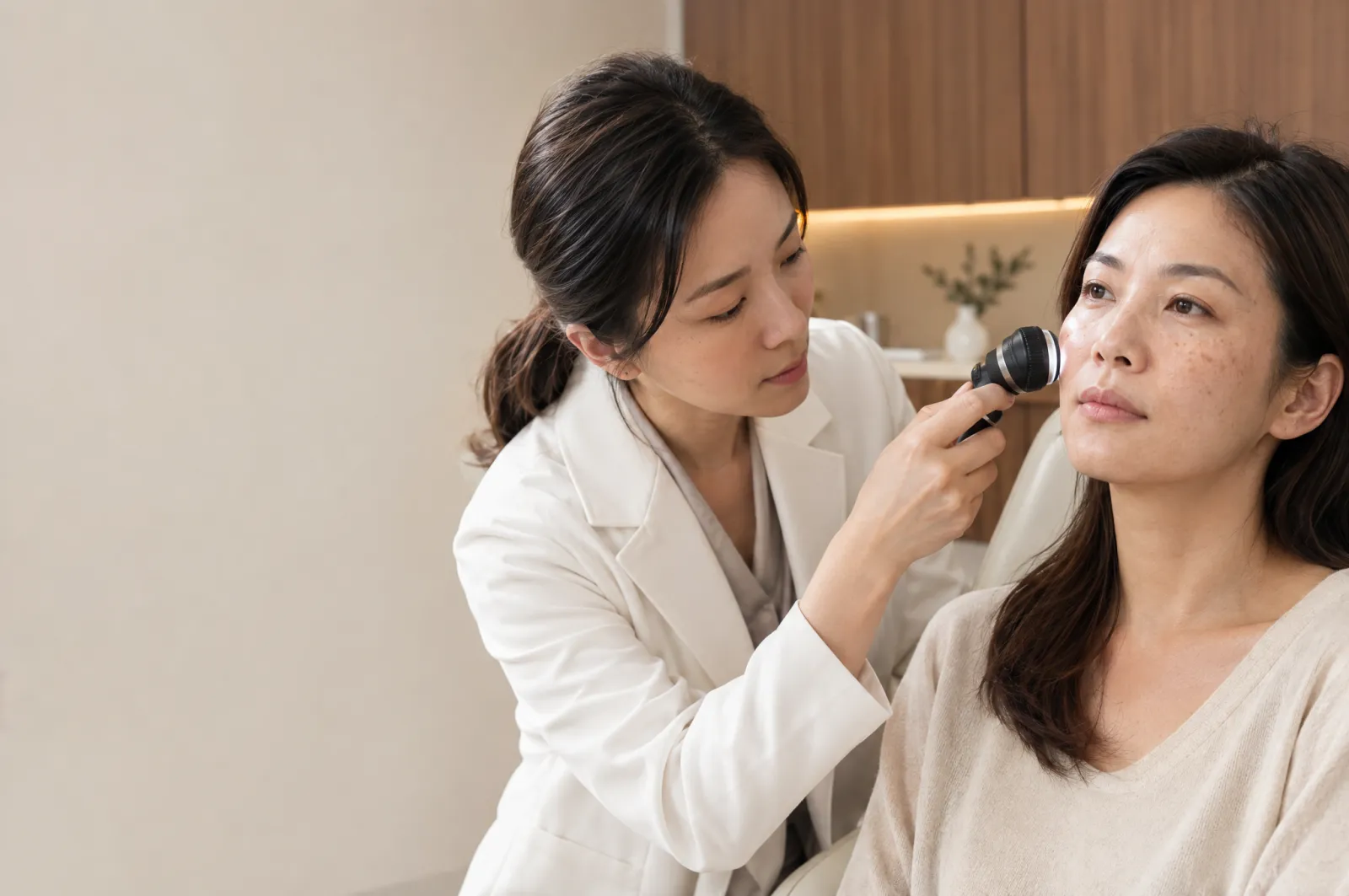
Doctor examining a patient's cheek with a handheld dermatoscope; the patient has light freckles and sun spots

Pigmentation · Singapore

Pigmentation treatment, planned around the type you have.

Melasma, freckles, sun spots and post-inflammatory hyperpigmentation look alike but start differently. Our doctors identify yours first, then combine treatments to lighten it.

What is pigmentation?

Every pigment type has a trigger, and treatment follows the type.

Pigmentation is any discolouration of the skin, usually from excess melanin made by pigment cells called melanocytes. It is commonly caused by UV exposure, hormonal changes, genetics, skin injury and some medicines. Because each type has a different trigger, a treatment that clears one kind of spot may not suit another.

Genetically, Asian skin tends to have more melanin than fairer skin types and is generally more susceptible to pigmentation conditions. In Singapore, strong year-round sun exposure further increases the risk of sun damage in the form of pigmentation.

Skin pigmentation conditions are treatable. Each person has a different skin type and may have had a different trigger, so our doctors use a combination of approaches (topical care, lasers, injectables and radiofrequency) and customise the plan to your skin and needs.

  • Type first — melasma, freckles, sun spots and PIH are treated differently
  • Most skin types — options for most skin types, with settings for yours
  • Combined plans — topical care, lasers, injectables and RF together
  • Maintenance — sun protection and follow-up to reduce recurrence
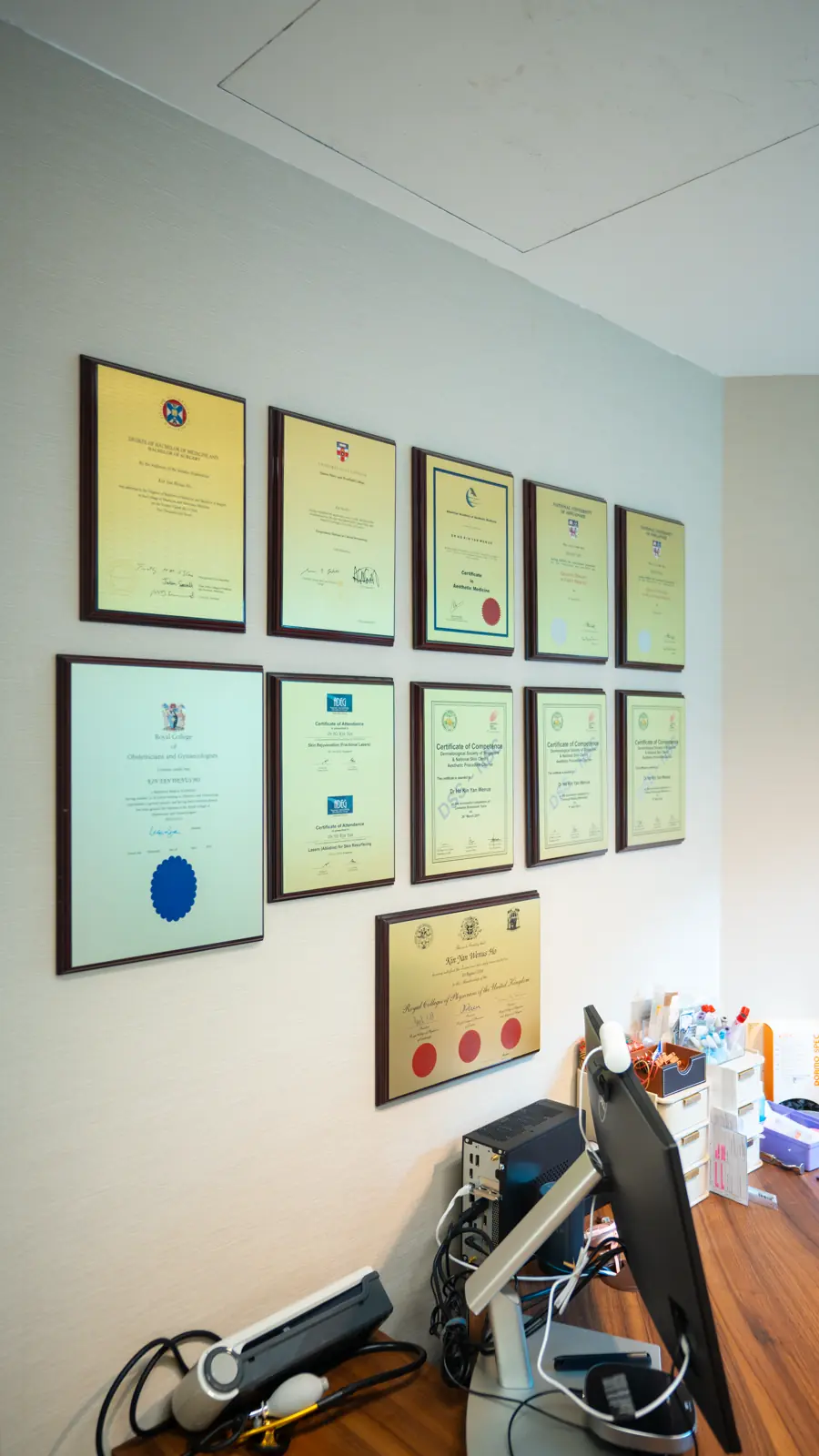
Framed medical and aesthetic training certificates above a consultation desk at Fusion Medical
Every pigmentation plan starts with a doctor's skin assessment.

Types of pigmentation

What are the different types of pigmentation?

Most pigmentation comes from excess melanin, but its pattern points to the cause. Melasma forms patches linked to hormones and sun; freckles and sun spots follow UV exposure; post-inflammatory hyperpigmentation follows acne or injury; seborrhoeic keratoses are raised, textured spots. Knowing which you have decides the treatment.

See how we assess pigmentation

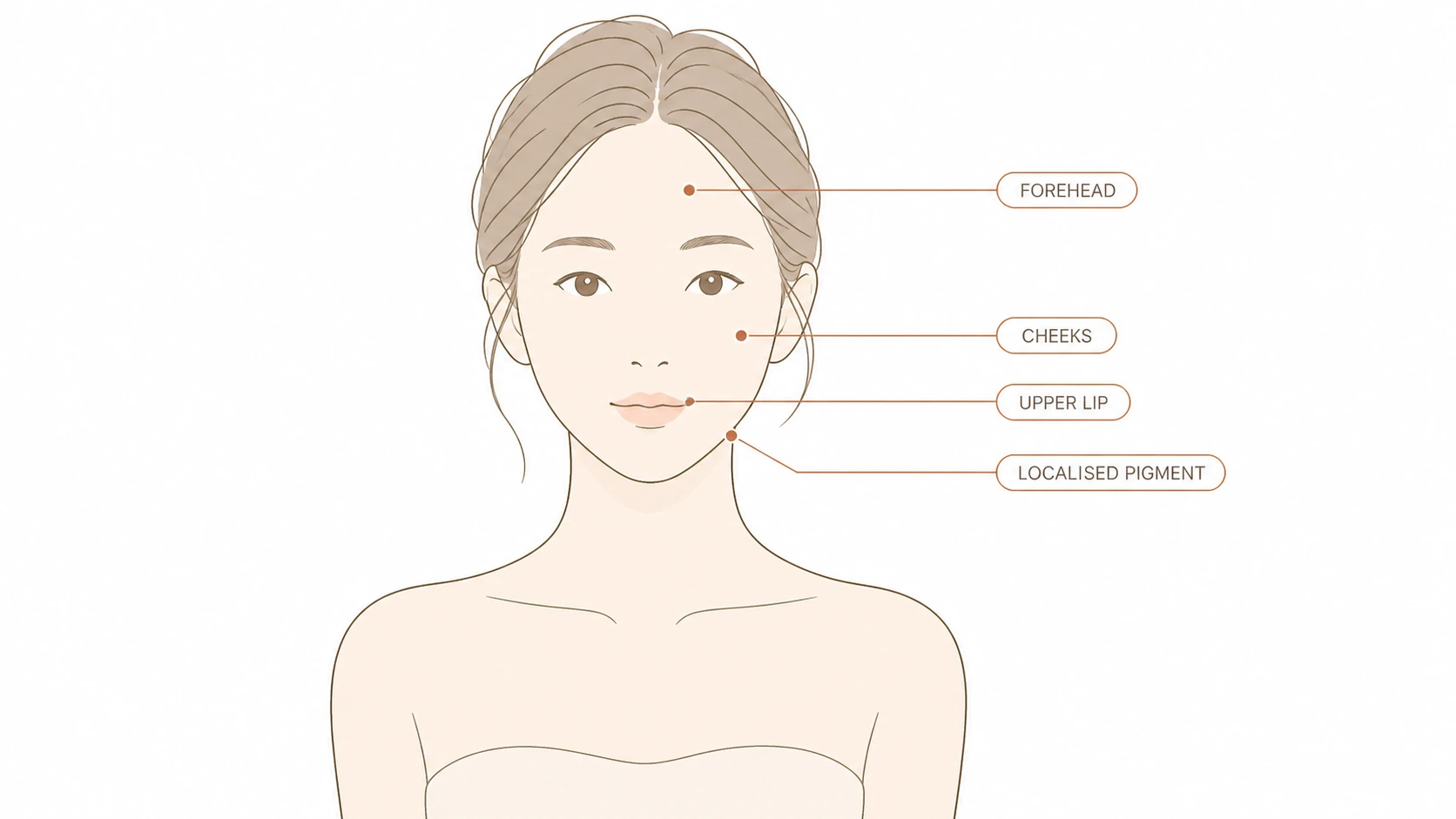
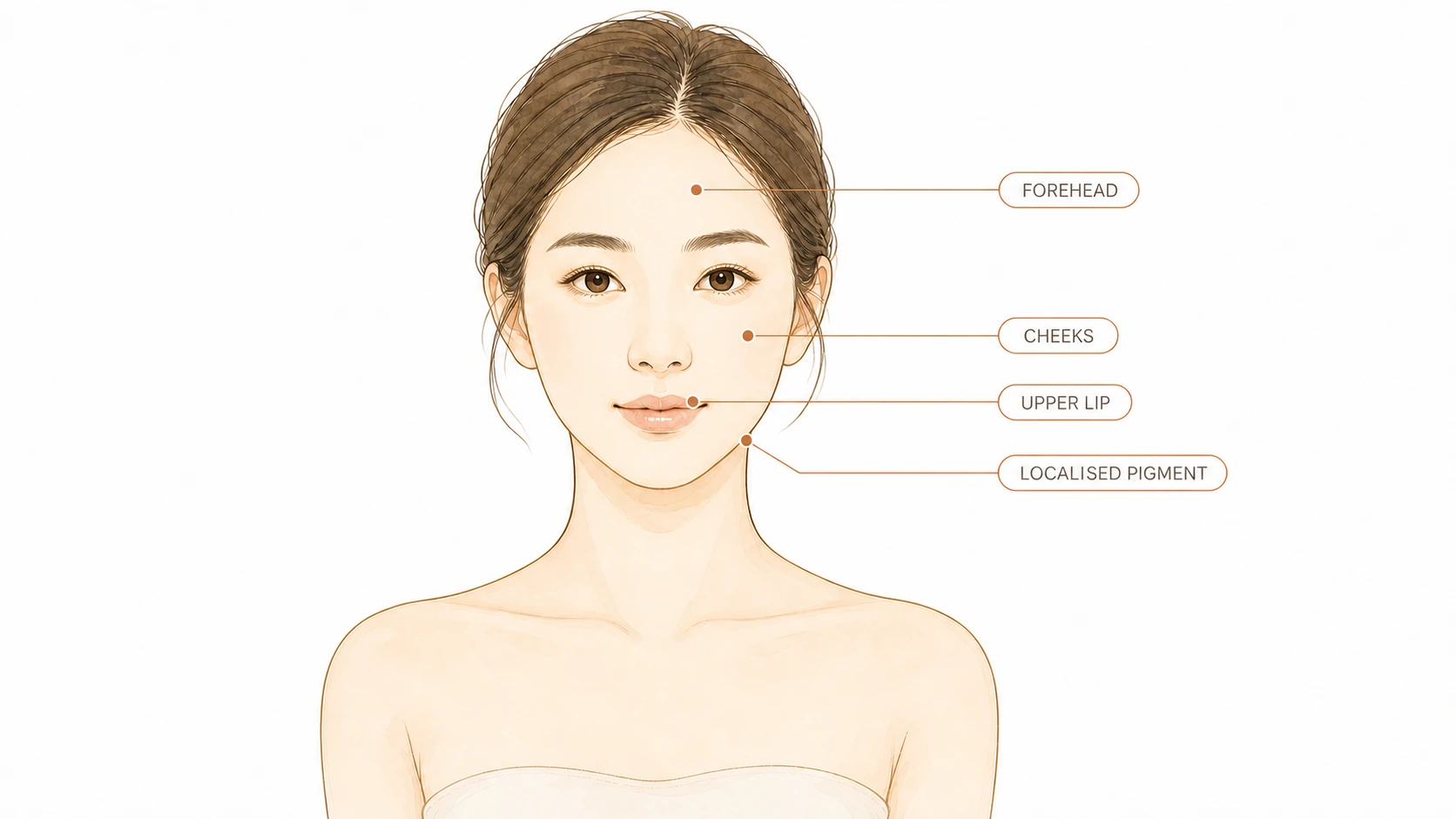
Face illustration marking the forehead, cheeks and upper lip, where melasma patches usually appear

Melasma: hormones and sun

One of the most common forms of pigmentation: large brown patches on the forehead, cheeks and upper lip that may darken after sun exposure. It can be triggered by a combination of ancestry and genetics, sun exposure and hormones. Pregnancy and hormonal contraceptives are common triggers, as oestrogen and progesterone are thought to stimulate melanin production when skin is exposed to the sun.
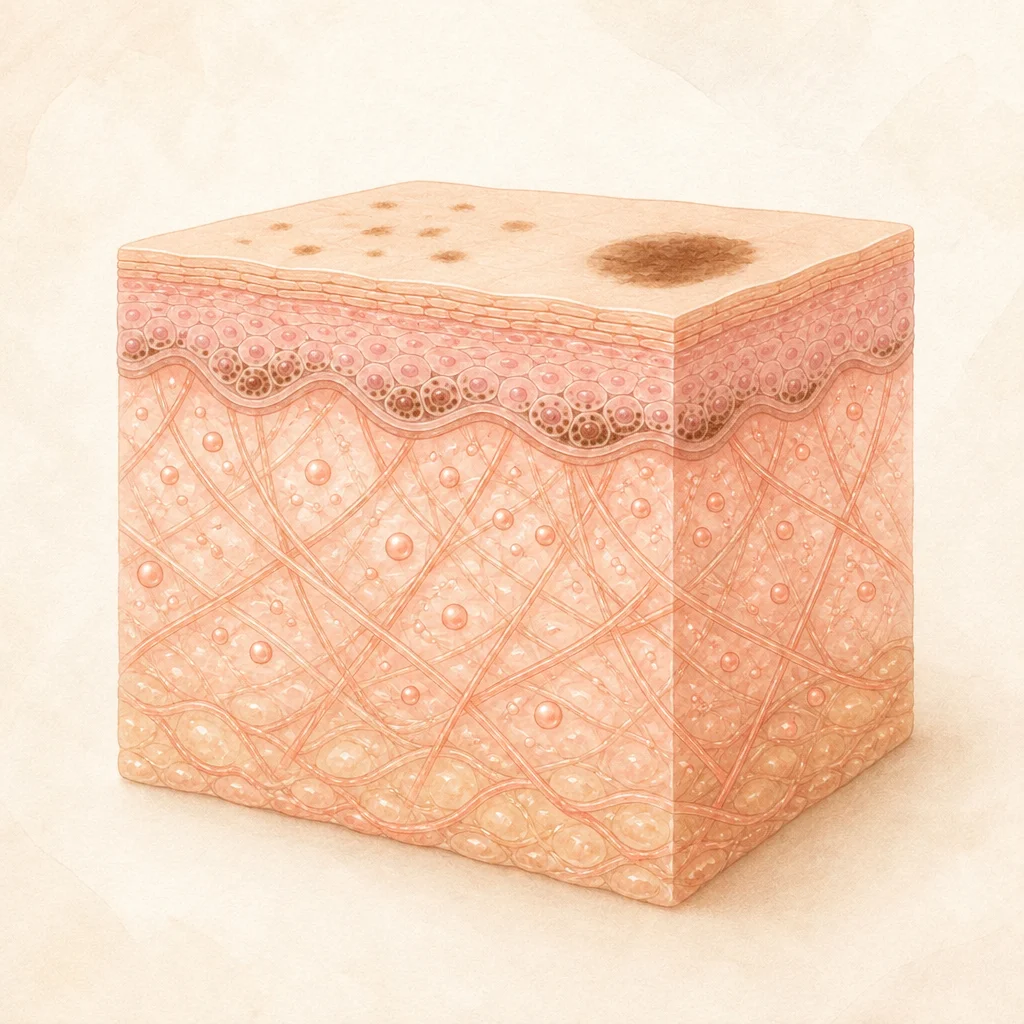
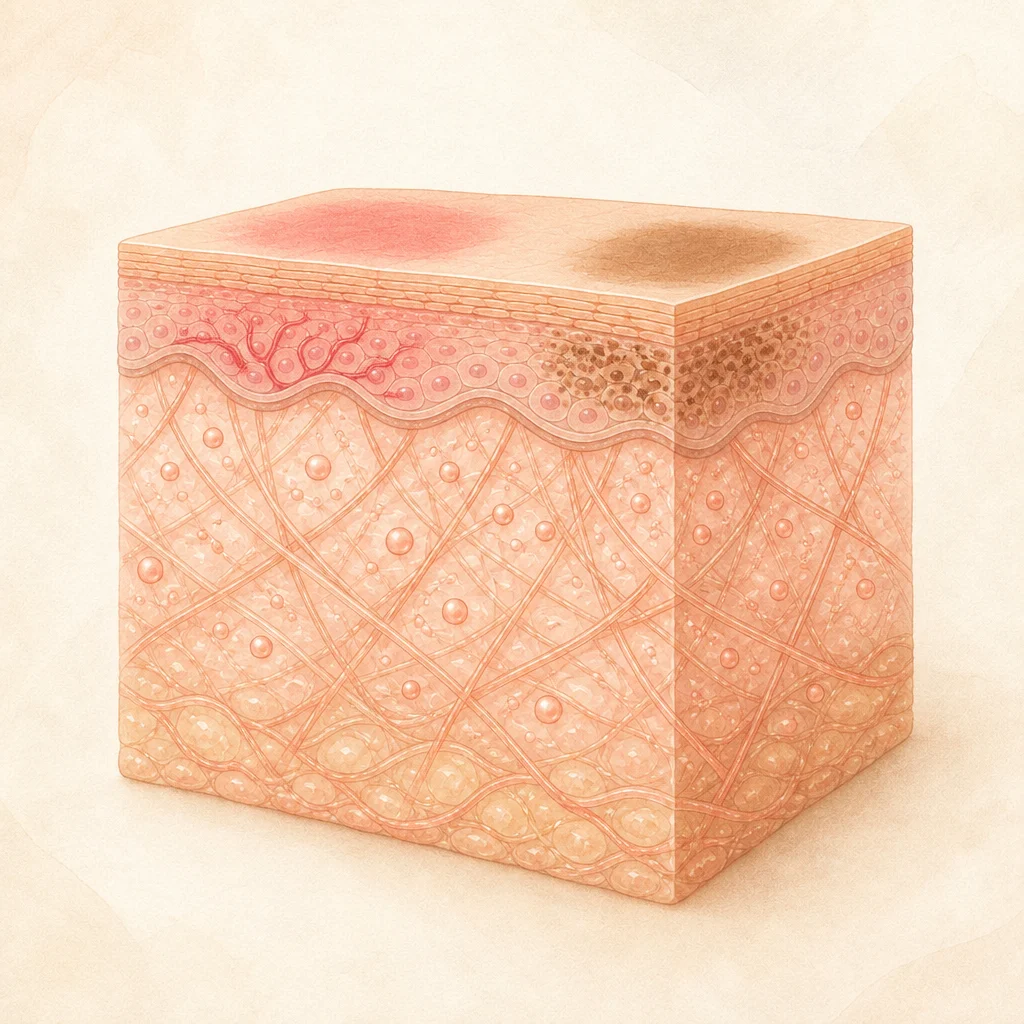
Illustration of a block of skin with small flat freckles and a larger flat age spot, with pigment in the lower epidermis

Illustration of flat skin with a red mark and a brown mark left after inflammation, with no change to the surface

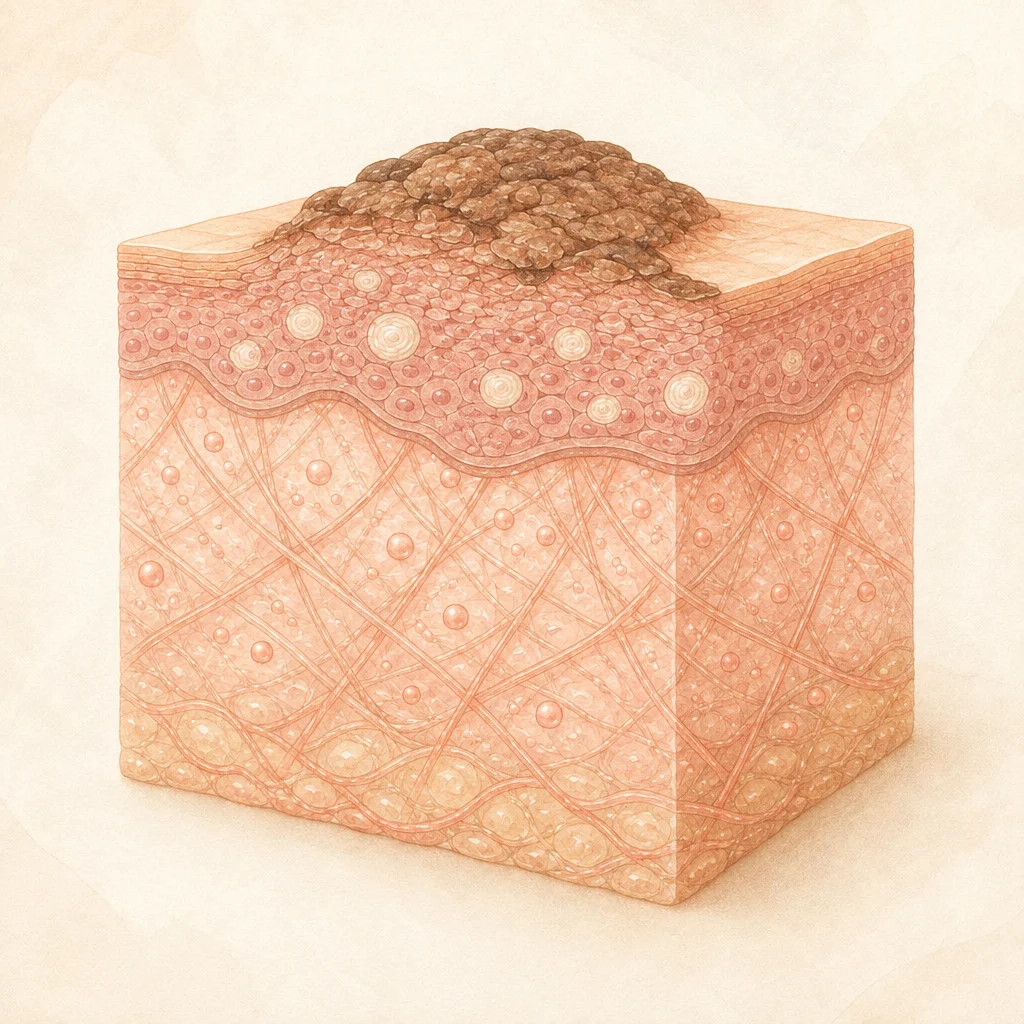
Illustration of a raised, rough, waxy brown growth sitting on top of the skin
Pigmentation treatment options by type
Concern Where we usually start thenWhen we look further
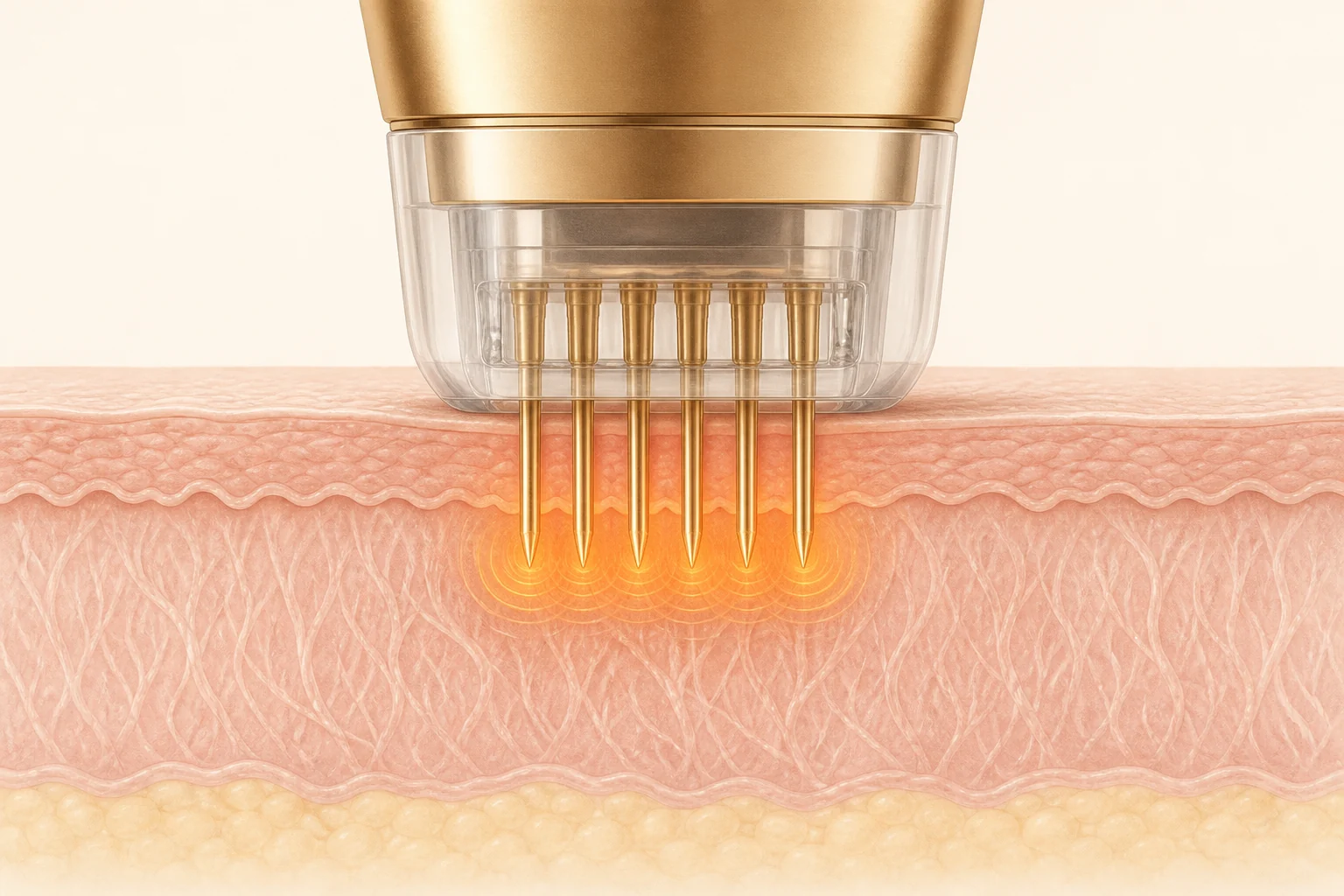
Melasma Strict sun protection and a lightening cream or retinoid; after an assessment, your doctor may discuss tranexamic acid, a prescription medicine. Gold Microneedling RF or PICO Laser for patches that persist, then maintenance, as melasma can recur.
Freckles and age spots PICO Laser or a Q-switched Nd:YAG laser to break up the pigment, usually as a course of sessions. Further laser sessions, or topical creams between sessions, for spots that remain.
Acne marks (PIH) Controlling any active acne first, then lightening creams and strict sun protection. Gold Microneedling RF or PICO Laser for marks that linger; your doctor may also discuss tranexamic acid.
Uneven tone and dullness ASCE+ Booster exosomes to even out tone, with daily sun protection. Dynamic Pulsed Light or a laser if redness or dark spots are also present.
Raised, rough spots An examination to confirm seborrhoeic keratosis, which is benign; your doctor can discuss the options or refer you. A further check or referral for any spot that is new, changing, bleeding or irregular.

Options are available for most skin types; your doctor chooses the treatment and settings for yours.

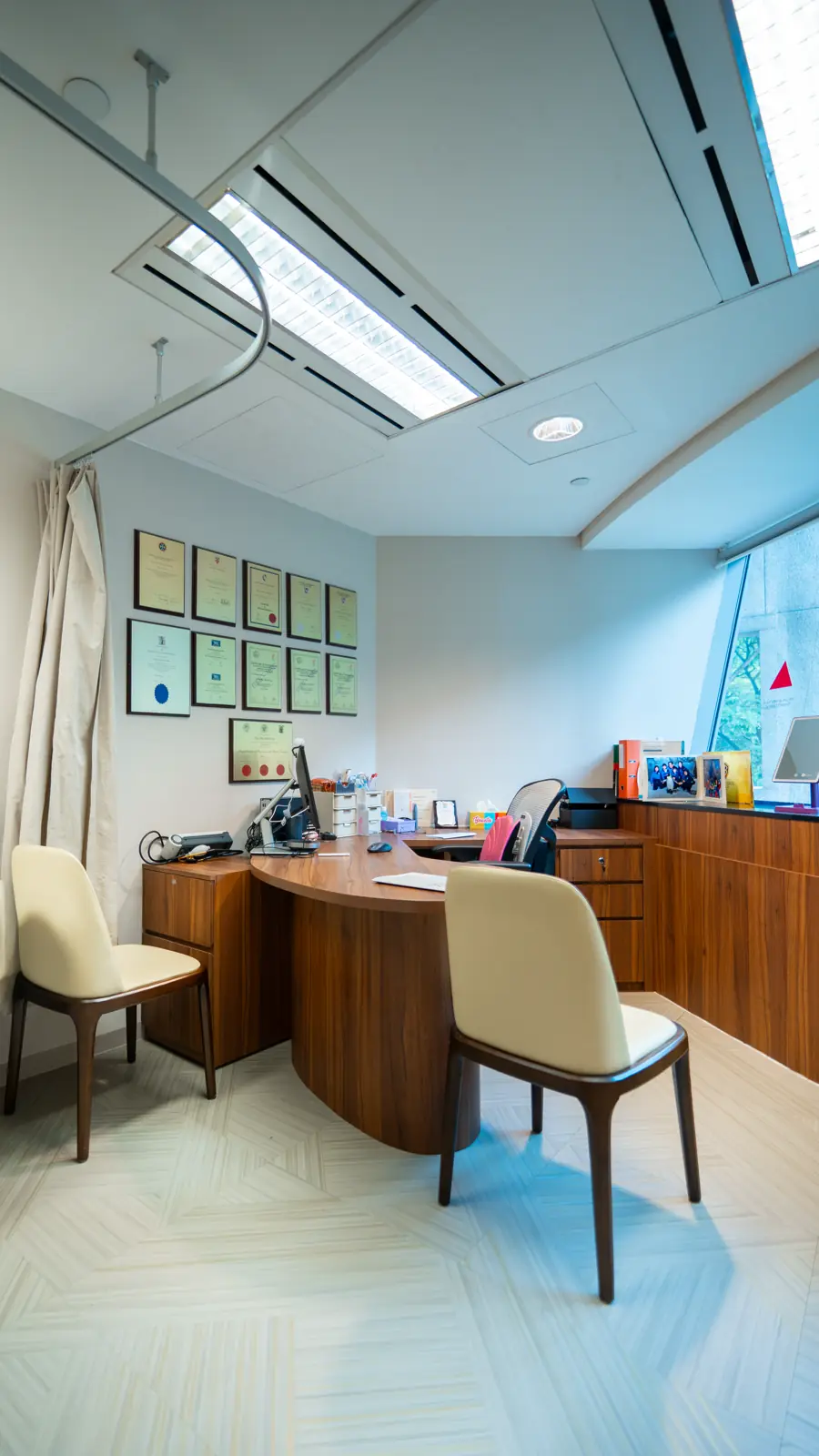
Doctor's consultation room at Fusion Medical, Wheelock Place
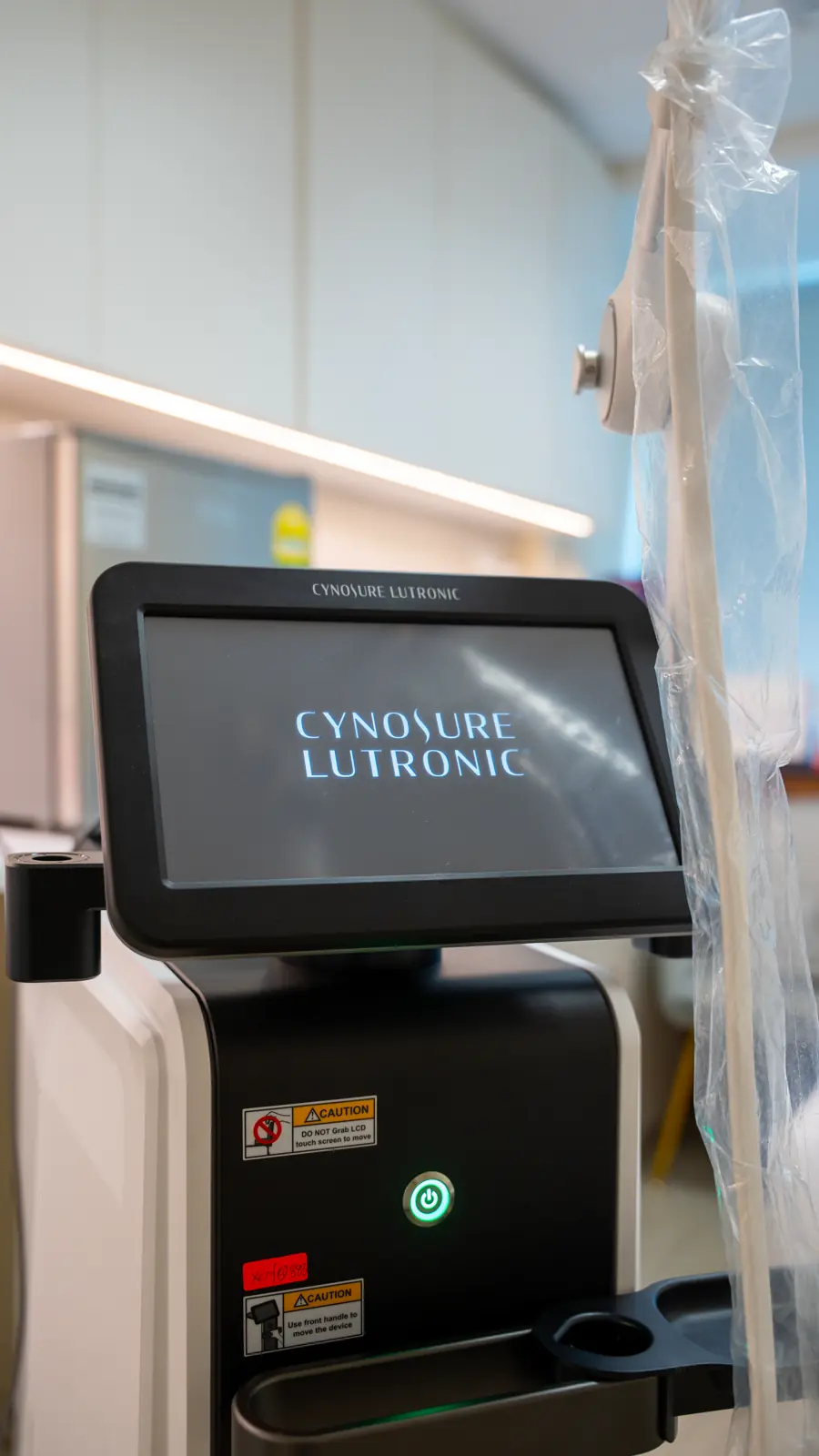
Laser system with a Cynosure Lutronic start-up screen in a Fusion Medical treatment room

Your treatment journey

Find the type. Treat the cause. Protect the result.

  1. Consult

    Tell the doctor when the spots appeared, what makes them darker, and about pregnancy, hormonal medicines, other medicines and recent sun exposure.

  2. Assess

    The doctor examines the pattern, colour and texture of your pigment to tell melasma, freckles, sun spots, PIH and seborrhoeic keratosis apart, and checks any spot that looks unusual.

  3. Choose

    Together you agree a plan, such as topical care, PICO Laser, Gold Microneedling RF or exosomes, alone or combined, plus any prescription medicine your doctor considers suitable, and the number of sessions it is likely to need.

  4. Review

    Follow the recommended sessions and aftercare, protect your skin from the sun, and return for maintenance to reduce the chance of pigmentation coming back.

Safety & expectations

Pigmentation is treatable, but no single treatment suits every type, so the assessment comes first.

Some mild redness can follow laser treatment and usually settles quickly; your doctor may prescribe aftercare creams. Tell your doctor about pregnancy, hormonal medicines, medicines that make your skin sun-sensitive and any past pigment change after treatment.

Pigmentation: frequently asked questions

What causes pigmentation?

Pigmentation happens when the skin produces too much melanin. The most common trigger is excessive sun or UV exposure, and Singapore's year-round sun makes sun damage more likely. Other causes include hormonal changes such as pregnancy, genetics (darker skin types are more susceptible), skin inflammation or injury such as acne, heat even without direct sunlight, pollutants, and medicines that cause photosensitivity, such as doxycycline, retinoid acne medicines and oral contraceptives.

How can I tell melasma from freckles or sun spots?

By their pattern. Melasma forms larger, blotchy brown patches, usually on both cheeks, the forehead and upper lip, and is linked to hormones and sun. Freckles are small, flat spots that run in families and darken in the sun. Sun spots (solar lentigos) are larger, more defined spots from sun damage, common after 40. Dark marks after acne are post-inflammatory hyperpigmentation. A doctor can tell them apart, and the type decides the treatment.

How do you get rid of pigmentation?

It depends on the type, and pigmentation is usually lightened rather than erased. Lightening creams work slowly; hydroquinone is prescription-only in Singapore, while others use liquorice extract or niacinamide. Retinoids are useful because they curb melanin production and speed up cell turnover; tretinoin, the most commonly prescribed, should be used only as your doctor instructs. Lasers and RF microneedling target specific types. We also offer chemical peels, which reduce the appearance of hyperpigmentation by removing the top layer of skin but make it more sun-sensitive.

How does laser treatment work for pigmentation?

Pigment lasers deliver very short pulses that break pigment into tiny particles, which the skin then clears naturally, with minimal effect on the surrounding skin. PICO Laser uses PicoSure, a 755 nm picosecond laser whose low heat output creates a photomechanical effect; its Focus Lens Array also stimulates collagen for texture. We also offer a Q-switched Nd:YAG laser, which works in a similar way with longer, nanosecond pulses. Your doctor sets the laser and the interval between sessions for your type.

How many pigmentation treatment sessions will I need, and is there downtime?

It depends on the type of pigmentation and the treatment. For PICO Laser, a series of 6 sessions, 4–6 weeks apart, is usually recommended; redness lasts about 1–2 days, and treated freckles or sun spots may form a thin scab that flakes off. Gold Microneedling RF causes redness and swelling during and just after treatment, and most people carry on with daily life. Follow the number of sessions your doctor recommends closely.

Will my pigmentation come back after treatment?

It can, especially melasma, so aftercare is part of the plan. According to the American Academy of Dermatology, melasma commonly returns when skin is exposed to the sun without protection. After you complete your pigmentation treatment, maintenance treatments are recommended to keep results. Proper skincare and sun protection should also be adopted, especially in Singapore's sunny climate. Together, these can reduce the chances of your pigmentation coming back.

Can pigmentation be prevented?

Not all pigmentation can be prevented, but you can reduce the onset or worsening of it. Sun exposure is the biggest culprit, so minimise strong sun and use topical and, where appropriate, oral UV protection. If you take skin-brightening supplements, check the dose and active ingredients, the country of production and whether the manufacturer tests for product safety.

When should I see a doctor about a dark spot?

See a doctor before any cosmetic treatment if a spot is new, growing, changing in shape or colour, bleeding, itchy or looks different from your other spots. Most pigmentation is harmless, but some skin cancers can look like a dark spot at first, so these need a medical check rather than a pigmentation treatment.

Appointments

Find out which pigmentation you have.

Book a consultation and skin assessment, and our doctors will plan pigmentation treatment around your type, your triggers and your skin.

501 Orchard Road, #04-11 Wheelock Place, Singapore 238880 · Mon–Fri 8:30am–5:30pm · Sat 8:30am–1pm