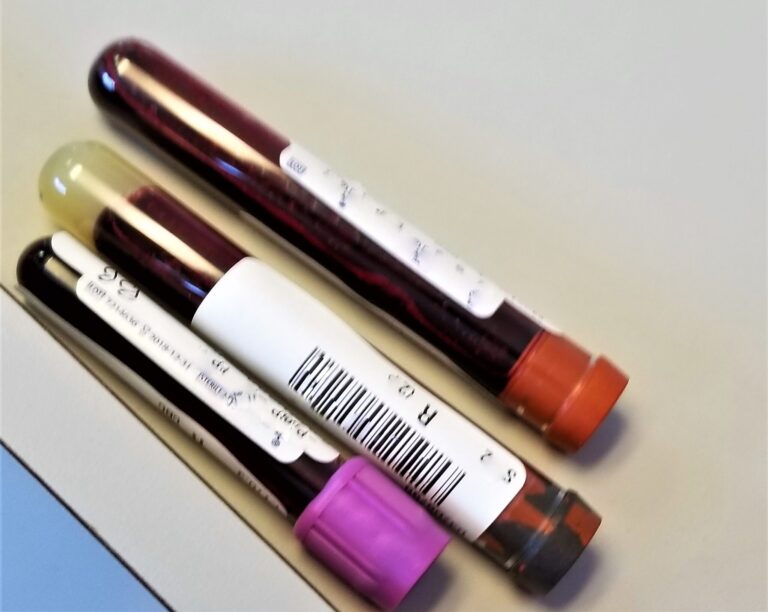

Common thyroid symptoms in women include ongoing tiredness, unexplained weight gain or loss, feeling too cold or too hot, hair thinning, a racing heart, low mood or anxiety, and changes to your periods. Because these overlap with stress and menopause, they are easy to dismiss. A simple blood test for thyroid stimulating hormone (TSH) is usually the first step to find out.
Key takeaways
- The thyroid is a small gland in the front of your neck that makes hormones controlling your metabolism, which is how fast your body uses energy.
- Thyroid conditions are much more common in women than in men, and often start around pregnancy, after childbirth or in midlife.
- An underactive thyroid (hypothyroidism) tends to slow you down; an overactive thyroid (hyperthyroidism) tends to speed you up.
- A TSH blood test, often with free T4, is the standard first check.
- Most thyroid conditions can be managed well once diagnosed.
What does the thyroid do?
Your thyroid makes hormones that act like a thermostat for your body. They affect your energy, heart rate, body temperature, weight, digestion, mood and menstrual cycle.
When the thyroid makes too little hormone, many body processes slow down. When it makes too much, they speed up. Both can happen for different reasons, and the most common causes are autoimmune conditions, where the immune system mistakenly targets the thyroid. These autoimmune conditions are seen far more often in women.
What are the symptoms of an underactive thyroid?
An underactive thyroid tends to cause slow, gradual symptoms that build up over months, so many women put them down to a busy life or getting older. The most common cause is Hashimoto’s thyroiditis, an autoimmune condition.
Symptoms can include:
- Tiredness that does not improve with rest
- Weight gain without a change in diet or activity
- Feeling cold when others are comfortable
- Dry skin, brittle nails and thinning hair
- Constipation
- Low mood or poor concentration, sometimes described as “brain fog”
- Heavier or more irregular periods
- Puffiness around the face or eyes
What are the symptoms of an overactive thyroid?
An overactive thyroid speeds things up and can come on more quickly. The most common cause is Graves’ disease, another autoimmune condition.
Symptoms can include:
- Weight loss even though you are eating normally or more
- A fast or pounding heartbeat (palpitations)
- Feeling hot and sweating more than usual, which can be hard to notice in Singapore’s climate
- Shaky hands
- Anxiety, irritability or trouble sleeping
- More frequent bowel movements
- Lighter or less frequent periods
- Eyes that feel gritty, look more prominent or bulge (seen in some people with Graves’ disease)
Underactive or overactive: how do they compare?
The two conditions often cause opposite symptoms. This table gives a quick side-by-side view, though many people have only a few of these.
Area | Underactive thyroid (hypothyroidism) | Overactive thyroid (hyperthyroidism) |
|---|---|---|
Energy | Tired, sluggish | Restless, but tires easily |
Weight | Tends to go up | Tends to go down |
Temperature | Feels cold | Feels hot, sweats more |
Heart | Slower heart rate | Fast or irregular heartbeat |
Mood | Low mood, slow thinking | Anxious, irritable |
Bowels | Constipation | More frequent |
Periods | Heavier or irregular | Lighter or less frequent |
Skin and hair | Dry skin, thinning hair | Thinning hair, warm moist skin |
Why do thyroid symptoms get missed in women?
Thyroid symptoms overlap with many common experiences in women’s lives, so they are often mistaken for something else. Tiredness and weight gain can look like a demanding job, while mood changes, hot flushes and irregular periods can look like perimenopause.
Some life stages are linked to thyroid changes:
- Pregnancy and planning a pregnancy: thyroid hormones matter for fertility and the baby’s development, so doctors may check thyroid function if you are trying to conceive or are pregnant.
- After childbirth: some women develop postpartum thyroiditis, a temporary inflammation of the thyroid that can cause overactive and then underactive symptoms in the first year after birth.
- Midlife: thyroid problems become more common with age, and the symptoms can blur with those of menopause. Our page on perimenopause and menopause covers what is typical during this stage.
If you have noticed several changes at once, our article on physical signs that your hormones are out of balance is also a helpful read.
How is a thyroid problem checked?
A doctor usually checks it with a simple blood test that measures TSH and free T4 together. TSH is the hormone your brain releases to tell the thyroid how much to make, and free T4 is the main thyroid hormone. Sometimes thyroid antibodies are also checked to look for an autoimmune cause. All our health screening packages include a thyroid function blood test covering both TSH and free T4.
- Talk to your doctor about your symptoms, periods, medicines, and any family history of thyroid disease.
- Physical check: your doctor feels your neck for swelling or lumps and checks your pulse and blood pressure.
- Blood tests: TSH, often with free T4, and antibodies if needed.
- Ultrasound of the neck: if a lump (nodule) or swelling (goitre) is found.
- Follow-up: results are reviewed with you, and treatment or referral is discussed if needed.
Thyroid tests can be added to a routine health screening. The Fusion Breast & Women’s Health package, for example, includes TSH and free T4. If you already have a report, our guide to common blood markers in your screening results explains what the thyroid section means.
When should you see a doctor about thyroid symptoms?
See a doctor if you have had several of the symptoms above for a few weeks or more, or if they are affecting your work, sleep or relationships. It is also worth getting checked if you have a family history of thyroid disease, other autoimmune conditions such as type 1 diabetes, or are planning a pregnancy.
Seek prompt care if you notice:
- A lump or swelling in your neck, or a lump that is growing
- Difficulty swallowing or breathing, or a hoarse voice that does not go away
- A very fast or irregular heartbeat, chest pain or feeling faint
- Bulging, painful or red eyes, or changes in your vision
Fusion Medical’s women’s health service can help you look into symptoms and arrange the right tests.
Frequently asked questions
Can thyroid problems cause weight gain in women?
Yes, an underactive thyroid can lead to modest weight gain, partly from fluid retention and a slower metabolism. It is rarely the only reason for significant weight gain, so your doctor will look at other factors too. Weight often settles once thyroid levels are treated.
Can thyroid problems affect my periods or fertility?
Both underactive and overactive thyroid can change your cycle, making periods heavier, lighter or irregular. Thyroid problems can also make it harder to conceive. A thyroid blood test is a common part of checks for women who are trying for a baby.
Is hair loss a sign of thyroid disease?
It can be. Both an underactive and an overactive thyroid can cause diffuse thinning across the scalp. Hair usually starts to recover a few months after thyroid levels are brought back to normal, though other causes of hair loss are also common.
Are thyroid nodules usually cancer?
Most thyroid nodules are benign, meaning not cancer. Your doctor may arrange an ultrasound to look at a lump more closely and decide whether any further tests are needed.
Is thyroid disease treatable?
Most thyroid conditions can be managed well. An underactive thyroid is usually treated with daily thyroid hormone tablets, while an overactive thyroid has several treatment options. Your doctor will explain what suits your situation and how often to recheck your levels.
This guide provides general information and is not a diagnosis or substitute for personalised medical advice.