


Vaccines for your destination
Depending on where you go and what you do, the travel vaccines we offer include:
- Hepatitis A and hepatitis B
- Typhoid
- Japanese encephalitis
- Meningococcal
- Rabies
- Yellow fever




Travel medicine · Singapore
Book ideally 4–6 weeks before you fly. A doctor matches your destinations and activities with your health and vaccine records, then plans vaccines, malaria advice and a travel kit.
Two travellers on the same flight may need different advice.
Plan travel vaccinations ideally four to six weeks before you leave, because some vaccines take time to work or need several doses. If you are travelling sooner, still book: a late consultation can still provide useful protection and advice. Bring your full itinerary and any vaccination records to the travel-health consultation.
Travel medicine combines the infectious-disease risks at your destination with your age, vaccination history, medical conditions, medicines, pregnancy and planned activities. The aim is a practical plan: recommended or required vaccines, malaria prevention where relevant, and ways to handle common travel-health problems, so you are also less likely to bring an illness home.

The travel-health pathway
The doctor reviews every destination and transit point, your timing, accommodation and activities, alongside your health and vaccine records. Advice may cover routine vaccine updates, destination-specific vaccines, malaria prevention, insect bites, food and water, altitude and a personal travel kit.
Vaccines for your destination
Depending on where you go and what you do, the travel vaccines we offer include:

Routine protection, brought up to date
A trip is a good time to check routine vaccines, such as:

Malaria and altitude
Our doctors prescribe malaria tablets and medicine to help prevent altitude sickness when your itinerary calls for them, chosen for your destination, timing, health and other medicines. Avoiding mosquito bites still matters.

Food, water, insects and a kit
Vaccines do not cover every travel risk. Food and water safety, insect precautions, motion sickness and a medical kit are part of the plan, with advice on what to do if you fall ill.
What shapes the plan
Risk changes with rural or urban stays, family visits, work, animal contact, food, altitude, season and access to medical care. Age, pregnancy, immune conditions, allergies and long-term medicines can change which vaccines or medicines are suitable.
Entry rules can change; check official sources close to travel.
Rural stays, trekking at altitude, diving, animal contact and long trips all change the advice.
Family visits, local food and longer stays can change the advice.

Some vaccines may be considered and others avoided. Tell us about pregnancy, immunity, allergies and medicines.
Employees with different itineraries can have destination-specific consultations.
Book anyway: a late consultation can still provide useful protection and advice.
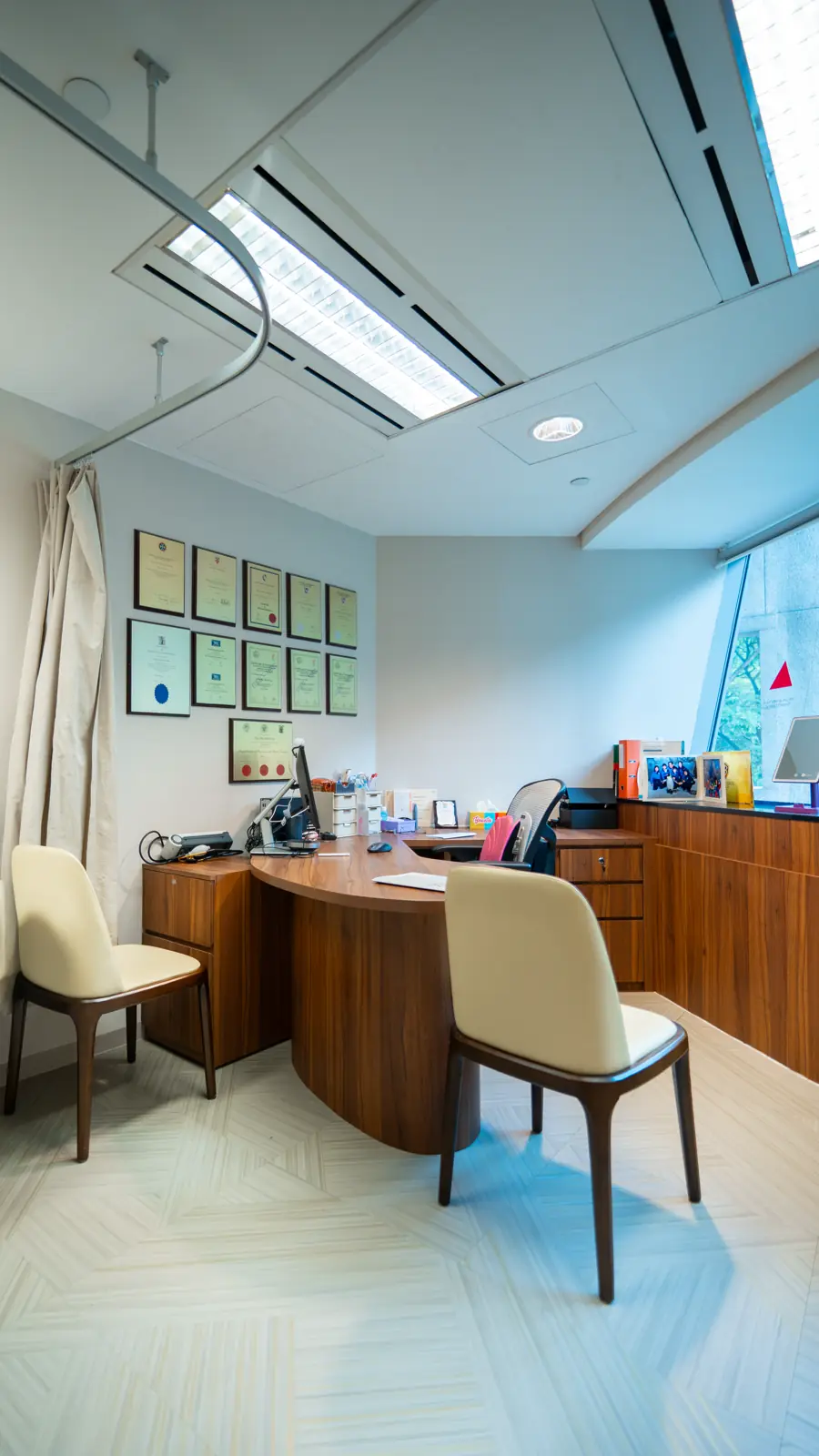

Your travel consultation
Your doctor maps destination and activity risks against your health history and records.
Required, recommended and routine protection are separated, so you know what matters for this trip.
Suitable vaccines are given, and later doses are scheduled where needed.
You leave with a plan for medicines, prevention, documents and what to do if you fall ill.
From our doctors
Some vaccines need a couple of weeks to take effect, and some need more than one dose spaced weeks apart. What you need depends on your destination, trip length and plans, so it helps to book a consultation well before you fly.
Safety & expectations
Vaccines do not cover every travel risk.
Mild injection-site pain, tiredness or fever can follow many vaccines. Complete later doses on schedule, carry any required certificates safely, keep up food, water and insect precautions, and seek urgent care for severe allergic symptoms.
The travel vaccines you need depend on your destination and transit points, the season, your activities and trip length, and your previous vaccines, age and medical history. Your doctor separates what is required from what is recommended, and checks that your routine vaccines are up to date.
It depends on the exact region and itinerary. When malaria tablets are advised, the doctor chooses a medicine based on your timing, your health, any other medicines you take and resistance patterns at your destination. Avoiding mosquito bites is still important.
Yes. Fusion Medical gives the yellow fever vaccine at Wheelock Place, by appointment, and issues the International Certificate of Vaccination or Prophylaxis, often called the yellow card. Your doctor first checks that the vaccine is suitable for you and your itinerary. Carry the certificate safely when you travel.
Bring your complete itinerary, including transit points and dates, plus any vaccination records (old booklets, digital records or a yellow fever certificate), your medicines, allergies and medical conditions, and details of any previous vaccine reaction.
Some vaccines may be considered in pregnancy and others avoided; live vaccines, for example, are generally avoided. Tell the doctor if you are pregnant, may be pregnant or are planning a pregnancy, so the advice for your trip takes it into account.
No. Vaccines do not cover every travel risk, so food and water safety, insect precautions, planning for any medicines you take, and getting prompt medical care if you fall ill all remain important.
Still book a consultation. Some vaccines need time or several doses, but a late consultation can still provide useful protection and advice, including medicines and precautions for your trip.

Appointments
Travel vaccination is by appointment: book 4–6 weeks before you fly if you can, and bring your itinerary and vaccination records. Leaving sooner? Book anyway.