Fusion Medical
clinic singapore
+65 6235 1512
Have Any Questions?
Mon-Fri : 8:30am – 5:30pm┃Sat : 8:30am – 1:00pm
wheelock@fusionmedical.com.sg
501 Orchard Rd #04-11, Singapore 238880
Fusion Medical
clinic singapore
+65 6235 1512
Have Any Questions?
Fusion Medical
clinic singapore
A woman in her forties sitting on a sofa by a sunlit window, holding a mug

Pelvic & intimate health

Vaginal laxity, dryness and bladder leakage

Looser, drier, or leaking when you laugh? After childbirth or menopause these changes are common, and there are options that can help. Care starts with a private assessment by a female doctor.

What causes vaginal laxity, dryness and leakage?

Laxity, dryness and leakage can have different causes, and care follows the cause.

Vaginal delivery can over-stretch the collagen-rich vaginal walls and weaken the pelvic-floor muscles that support the bladder, which may lead to looseness or leaks when you cough, laugh or exercise. After menopause, lower oestrogen can leave the vaginal lining thin and dry, known as genitourinary syndrome of menopause (GSM) or vaginal atrophy. Ageing, weight change and cancer treatments can also contribute.

These concerns are common and often go unmentioned. Vaginal rejuvenation is a broad term rather than a diagnosis, so our female doctors begin with a private assessment and match the options to the cause, starting with the least invasive suitable option.

  • Confidential — private consultations with our female doctors
  • Diagnosis-led — treatment follows the cause we identify
  • Several options — pelvic-floor, medical and specialist care considered
  • Evidence-aware — benefits, limits and risks explained openly
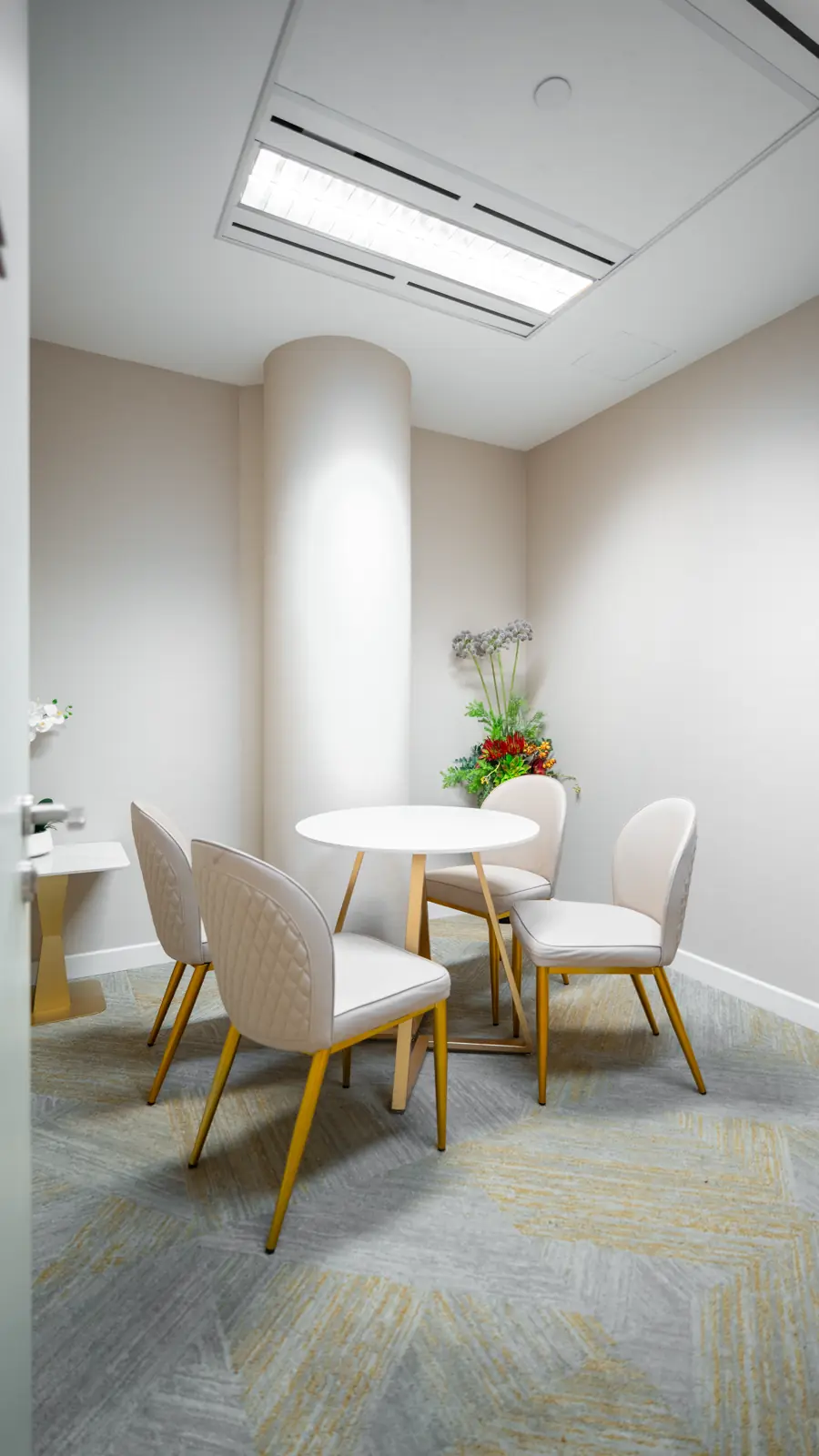
Private consultation room at Fusion Medical, with a round table and four chairs
Consultations are private, with a female doctor.

Understanding the changes

Childbirth and menopause affect the vagina in different ways.

Three things can be at work: the pelvic-floor muscles that support the bladder and vagina, the vaginal tissue itself, and bladder control. Pelvic-floor weakness, prolapse, GSM, infection, skin conditions and scarring can feel alike, so a medical review tells them apart before any treatment aimed at comfort or tightness.

See the care options

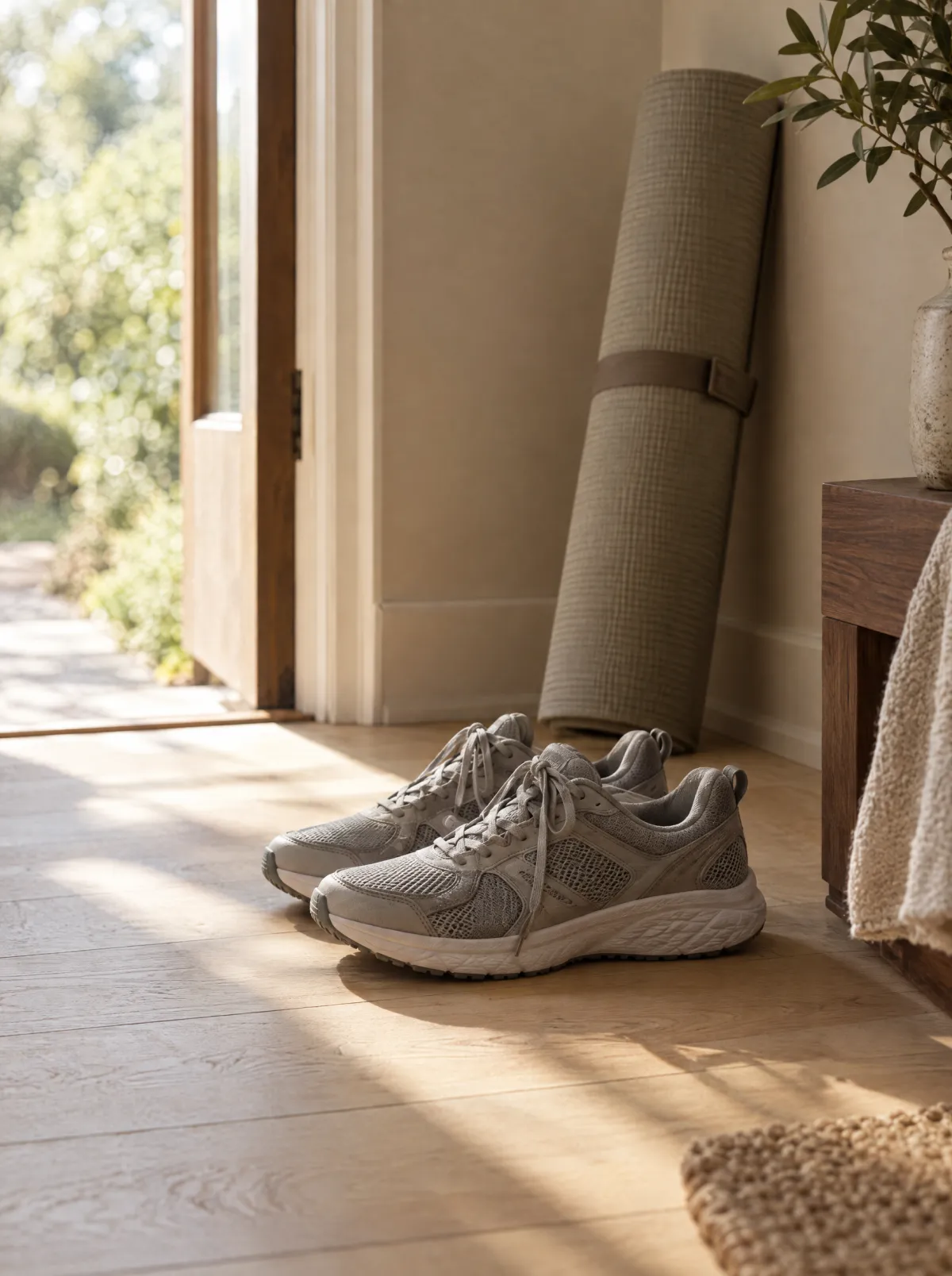
Trainers and a rolled exercise mat by an open door in morning light

Pelvic support and looseness

Pregnancy and vaginal birth can over-stretch the vaginal walls and weaken the pelvic-floor muscles. Supervised pelvic-floor exercises, practised regularly for at least 3 months, can improve support and tone. Heaviness or a bulge is checked for prolapse, which may need a pessary or specialist review.

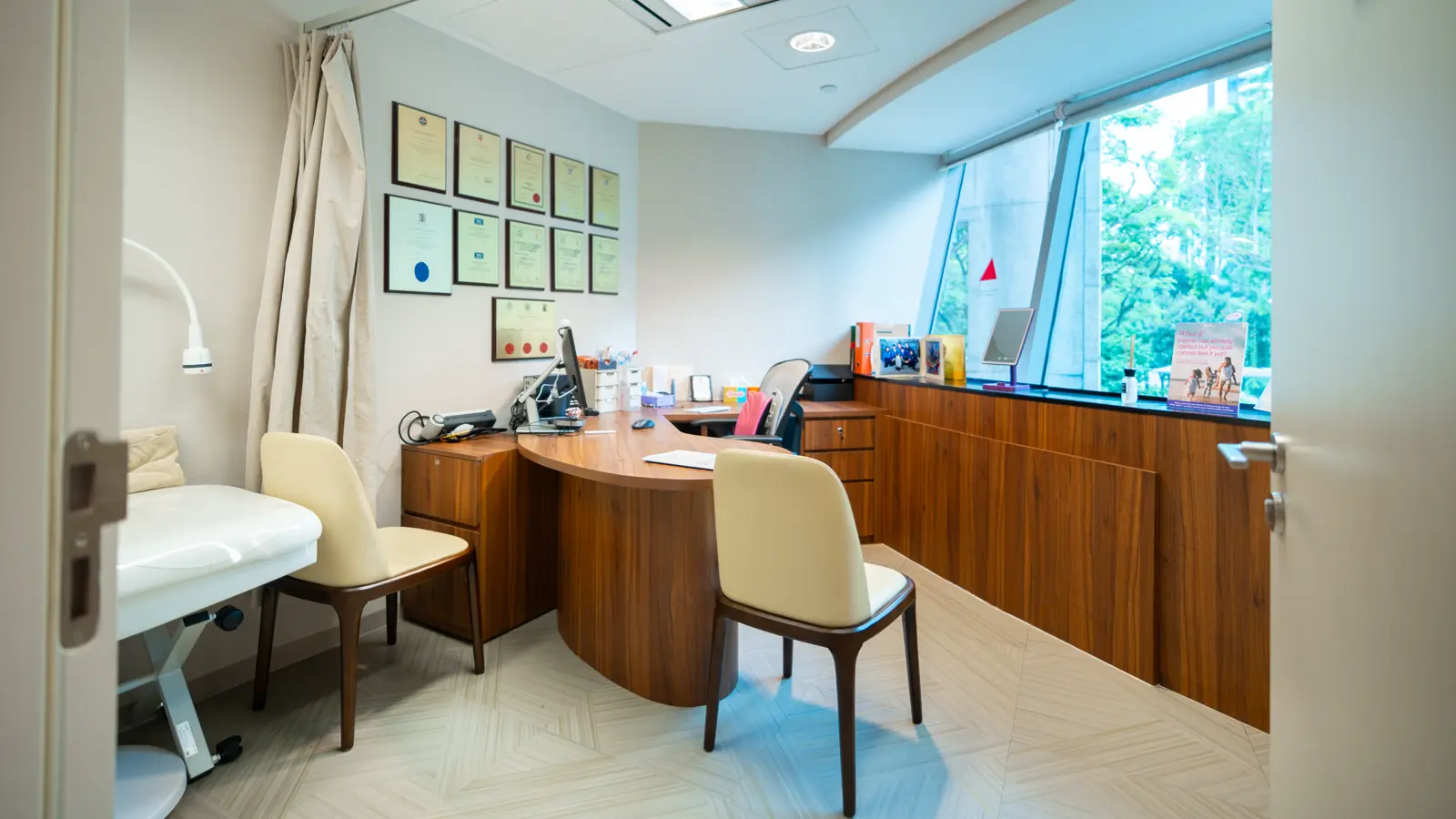
Doctor's consultation room with an examination couch at Fusion Medical, Wheelock Place

A desk calendar with a date circled

Personalised assessment

One assessment can separate several overlapping symptoms.

Tell us what you notice, when it began and how it affects daily life or intimacy. New bleeding, a lump or bulge, unusual discharge or significant pain needs checking before any treatment aimed at comfort or tightness.

Bleeding after menopause, blood in your urine or a new bulge? See a doctor promptly.

Care options by concern
Primary concern Common starting points thenWhen another review helps
Looseness after childbirth or with age Supervised pelvic-floor exercises; a non-surgical laser may be discussed after assessment A bulge, heaviness or no improvement after 3 months
Dryness or painful sex after menopause (GSM) Vaginal moisturisers and lubricants; low-dose vaginal oestrogen your doctor may prescribe Bleeding, persistent pain, a lesion or no improvement
Leaks on coughing, laughing or exercise Pelvic-floor muscle training for at least 3 months, with bladder and weight advice Continuing leaks or a bulge: urogynaecology referral; sudden urges: bladder training first
Pain, scarring or repeated infections Treatment of the diagnosed cause Severe or persistent pain, or a complex surgical history

The table is a guide only. Symptoms often overlap, and your doctor suggests options after assessing you.

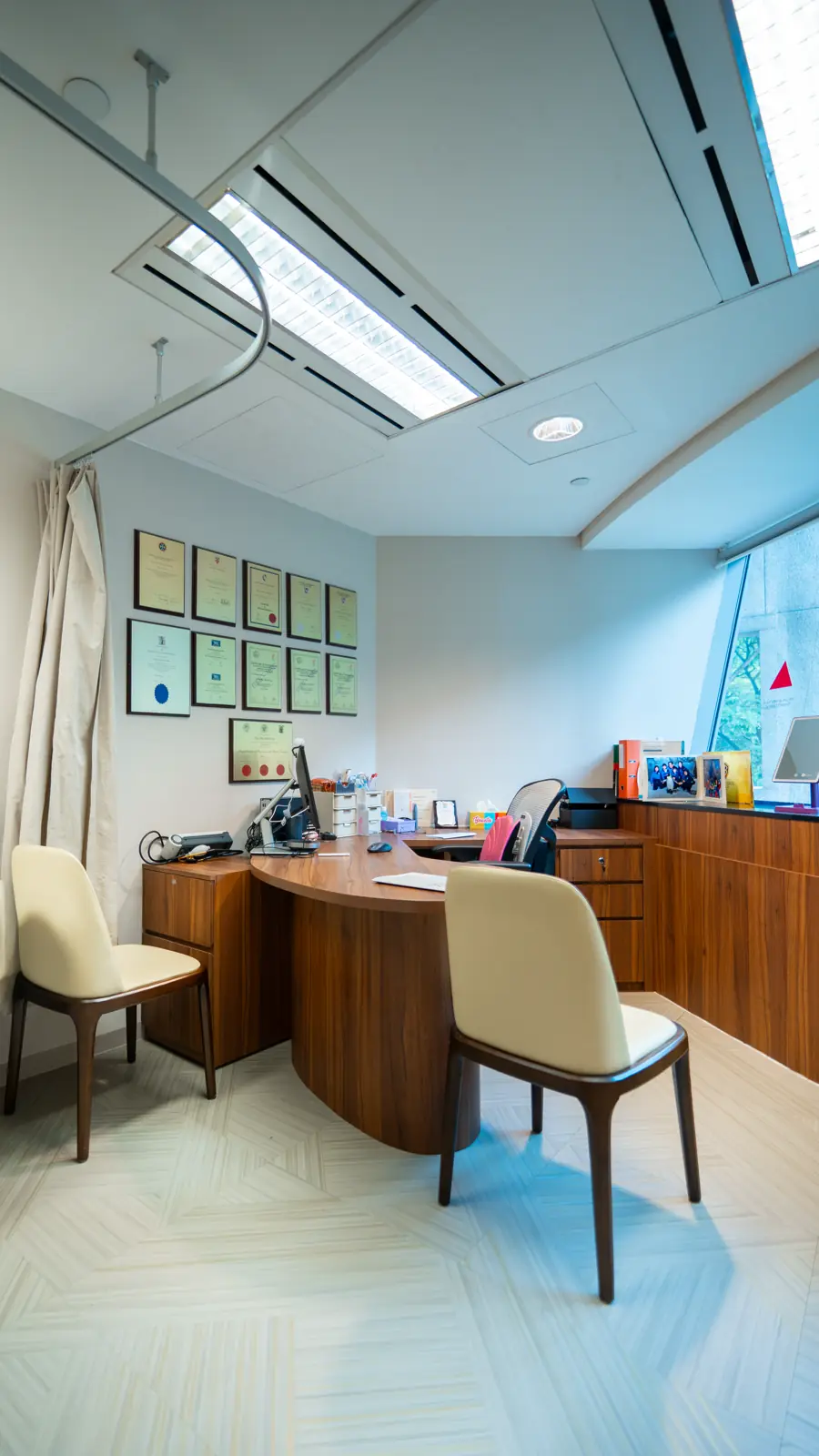
Doctor's consultation room at Fusion Medical, Wheelock Place
A stethoscope on a walnut desk

Your care journey

Private assessment. Clear choices. Planned follow-up.

  1. Consult

    Talk privately with a female doctor about your symptoms, history and goals.

  2. Assess

    Examination or tests only where relevant, explained and with your consent.

  3. Choose

    Compare pelvic-floor, medical, laser and specialist options with your doctor.

  4. Review

    Check comfort, bladder control and side effects, then adjust or refer if needed.

From our doctors

Common, private and worth talking about

Dryness, and leaking when you laugh or cough, are common. A consultation is a private conversation with a female doctor about what is right for you.

Vaginal dryness and bladder leakage: a private talk with a female doctor

Safety & expectations

No single treatment suits every symptom. The cause comes first, then the options.

Seek prompt care for bleeding, blood in your urine, a new bulge, fever, severe pain or difficulty passing urine. You can ask for a chaperone at any examination.

Vaginal Rejuvenation: frequently asked questions

What causes vaginal laxity after childbirth, and how is it treated?

Vaginal laxity after childbirth usually comes from over-stretching of the vaginal walls and weakening of the pelvic-floor muscles during pregnancy and vaginal birth; ageing, menopause and weight change can add to it. Treatment usually starts with supervised pelvic-floor exercises, which need regular practice over several months, plus care for any dryness. Heaviness or a bulge is checked for prolapse, which may need a pessary or specialist review.

What is atrophic vaginitis (GSM), and how is it treated?

Atrophic vaginitis, now usually called genitourinary syndrome of menopause (GSM) or vaginal atrophy, is thinning and drying of the vaginal and urinary tissues as oestrogen falls, and a common cause of vaginal dryness after menopause. It can bring burning, pain during sex, urgent or frequent urination and repeated urine infections. After checking for infection and other causes, treatment usually starts with vaginal moisturisers and lubricants; low-dose vaginal oestrogen, which your doctor may prescribe, is used for more troublesome symptoms, with your cancer team's input if you have had breast or another hormone-sensitive cancer. If you have other menopause symptoms, menopause hormone therapy may also be discussed.

Can pelvic-floor exercises help with laxity and bladder leakage?

Often, yes. Pelvic-floor muscle training is the usual first treatment for leakage when you cough, laugh or exercise, and it can also improve support and tone after childbirth. It needs regular practice for at least 3 months, and guidance from a doctor or women's health physiotherapist helps you use the right muscles. Technique matters: some women have tight or overactive muscles and need relaxation or coordination work rather than more strengthening.

What is the treatment for stress urinary incontinence?

Stress urinary incontinence, leakage when you cough, sneeze, laugh, lift or exercise, is usually treated first with supervised pelvic-floor muscle training for at least 3 months, along with steps such as weight management and treating a chronic cough or constipation. If leakage continues, your doctor can refer you to a urogynaecologist to discuss surgery, or a vaginal support device for times such as exercise. Vaginal laser is not a standard treatment for it. Read more in our guide to urinary incontinence.

Is there a non-surgical laser option for vaginal laxity?

Yes. Our Aesthetics clinic offers a non-surgical vaginal laser for women whose main concern is a feeling of looseness, after a doctor's assessment. Evidence for vaginal laser is still limited, including for looseness, and it is not an established treatment for dryness or bladder leakage: UK and US guidelines regard it as experimental for these uses. In 2018 the US FDA warned that it had not cleared or approved any laser, radiofrequency or other energy-based device for vaginal rejuvenation, or for vaginal treatment of menopause symptoms or incontinence.

Will I need an internal examination?

Often, yes. A gentle pelvic examination lets your doctor check tissue health, pelvic-floor strength and support, and look for infection or prolapse. The doctor looks at the vulva and vagina, may use a speculum, and may ask you to squeeze, cough or bear down. It is explained first and done only with your consent; you can ask for a chaperone or to stop at any time. For leakage, a urine test is usually done too.

When should I see a doctor promptly, or a specialist?

See a doctor promptly for bleeding after menopause, between periods or after sex, blood in your urine, a new lump, sore or bulge, unusual discharge, fever, severe or worsening pain, difficulty passing urine, or new numbness around the genitals or leg weakness. A referral to a gynaecologist or urogynaecologist may help if you have a prolapse, leakage that continues after pelvic-floor training, repeated urine infections, complex bladder or bowel symptoms, or previous pelvic surgery or radiotherapy.

Can treatment help with pain during sex?

Treating the cause may help. Dryness may ease with vaginal moisturisers, lubricants or prescribed vaginal oestrogen, and pain from tight pelvic-floor muscles or scarring may respond to physiotherapy or other targeted care. Sexual comfort also depends on relationships, stress, medicines and general health, so no treatment can promise a particular result. Your doctor can talk this through with you in private.

Appointments

Talk privately with a female doctor.

Book a confidential consultation at Wheelock Place. We start by finding the cause, then talk through your options.

501 Orchard Road, #04-11 Wheelock Place, Singapore 238880 · Mon–Fri 8:30am–5:30pm · Sat 8:30am–1pm