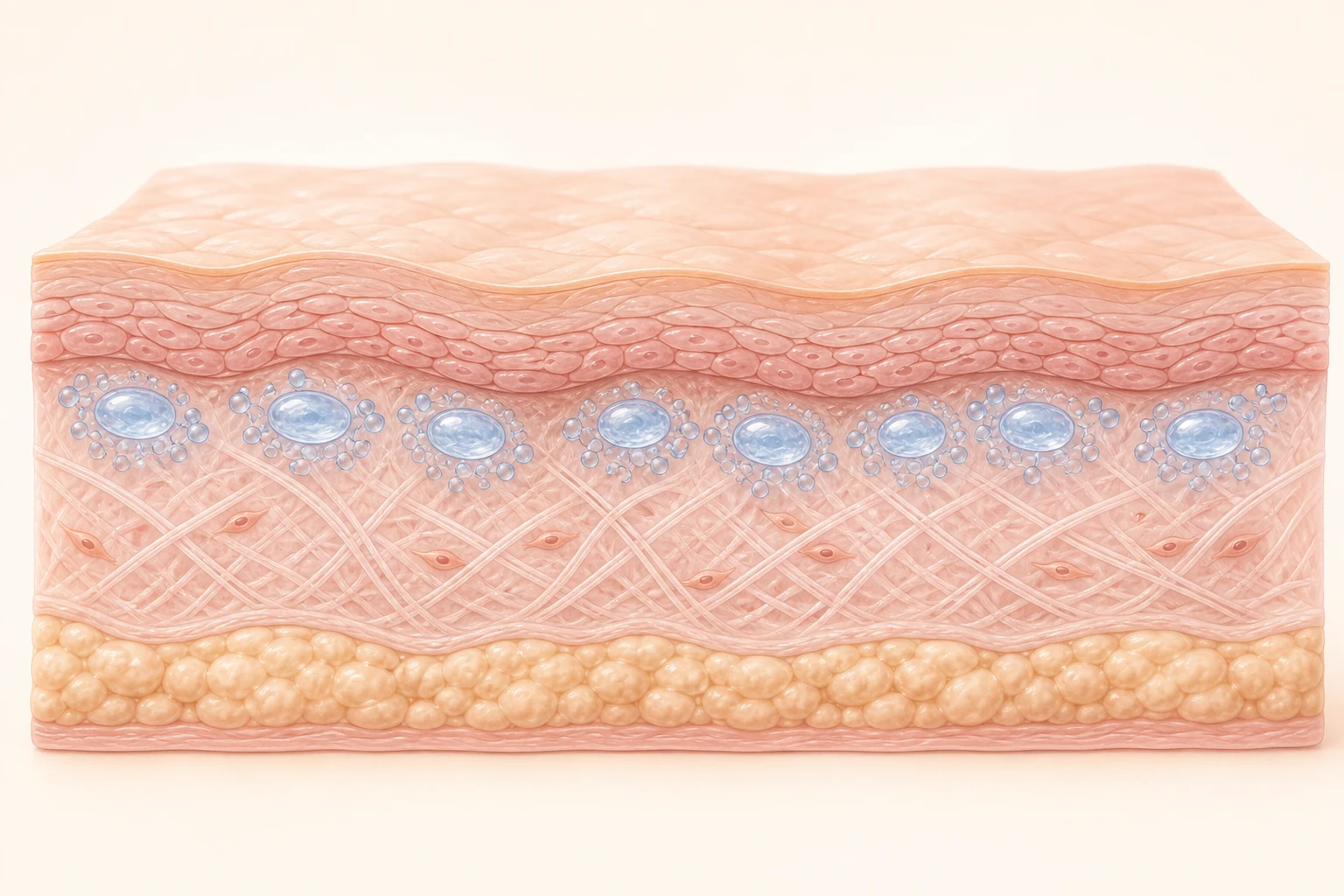
Hyaluronic acid boosters
Crosslinked or non-crosslinked HA draws in and holds water for hydration, texture and glow. Some formulas add vitamins, amino acids, co-enzymes, antioxidants and minerals.


Skin boosters · Singapore
From hyaluronic acid to polynucleotides, collagen and exosomes, skin boosters mainly improve skin quality rather than add volume. Compare our boosters and what each is often chosen for.
Skin boosters hydrate from within; fillers add volume.
A skin booster is a minimally invasive injectable treatment that delivers hyaluronic acid (HA), a natural moisture-binding substance, into the skin. The HA draws in water from the surrounding tissues to hydrate the skin, improving elasticity and overall texture, and can improve overall skin quality by stimulating collagen production.
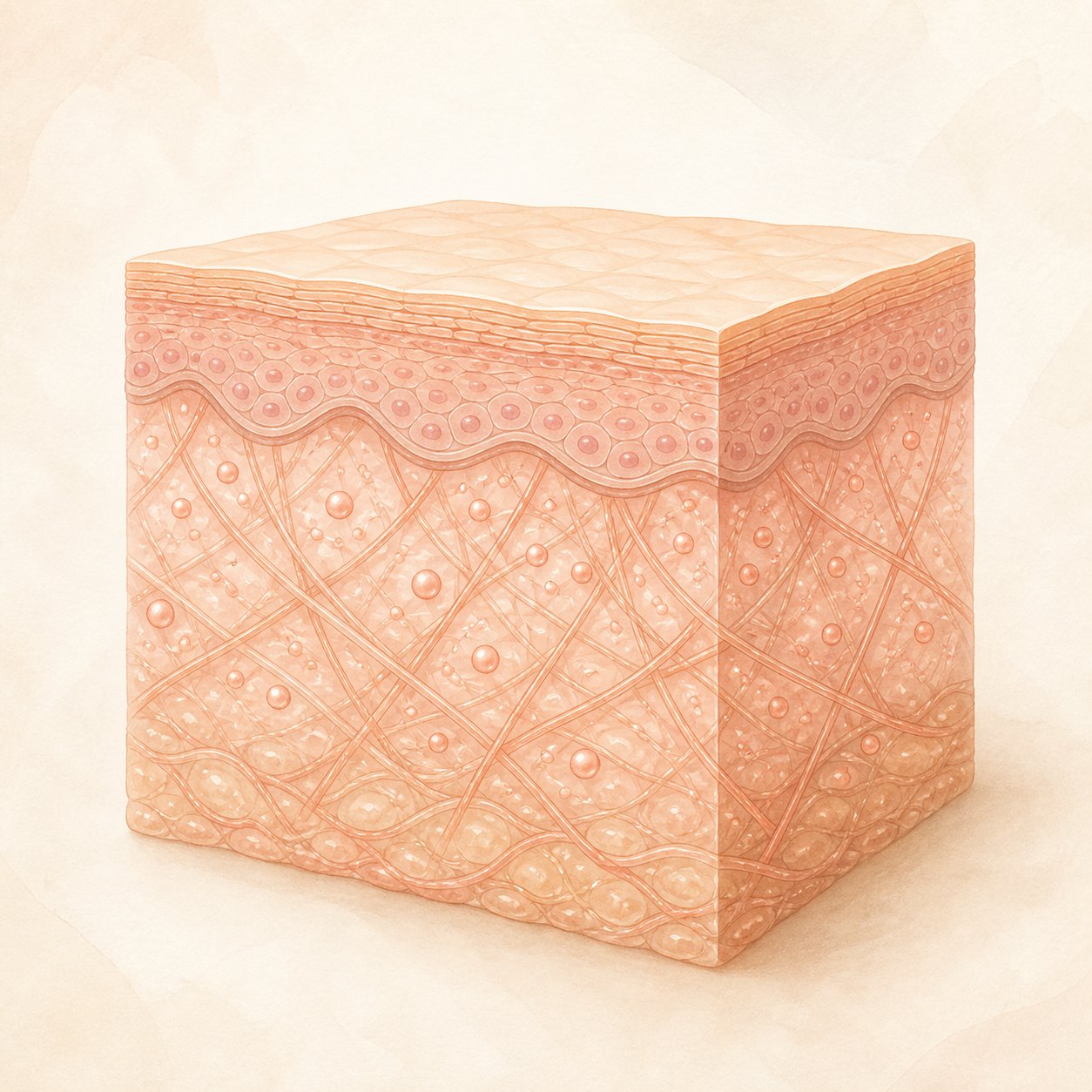
Hyaluronic acid is found mostly in the dermis, the middle layer of the skin. As we age, our skin cells lose the ability to produce it, among other things, and without enough hyaluronic acid skin looks dry and is prone to wrinkles.
Besides delivering deep hydration, skin boosters increase fibroblast activity under the skin to enhance texture, firmness and elasticity. They can also reduce the formation of fine lines, improve open pores and enhance your skin's natural glow.
Skin boosters are made by many manufacturers: examples on the market include Juvederm Volite, Profhilo, Teosyal Redensity 1, Belotero Hydrate and Restylane Vital, and newer boosters pair or replace HA with nutrients, polynucleotides, collagen or exosomes. The boosters we offer are listed below; speak to our doctors to find out which suits your skin type.
How they work
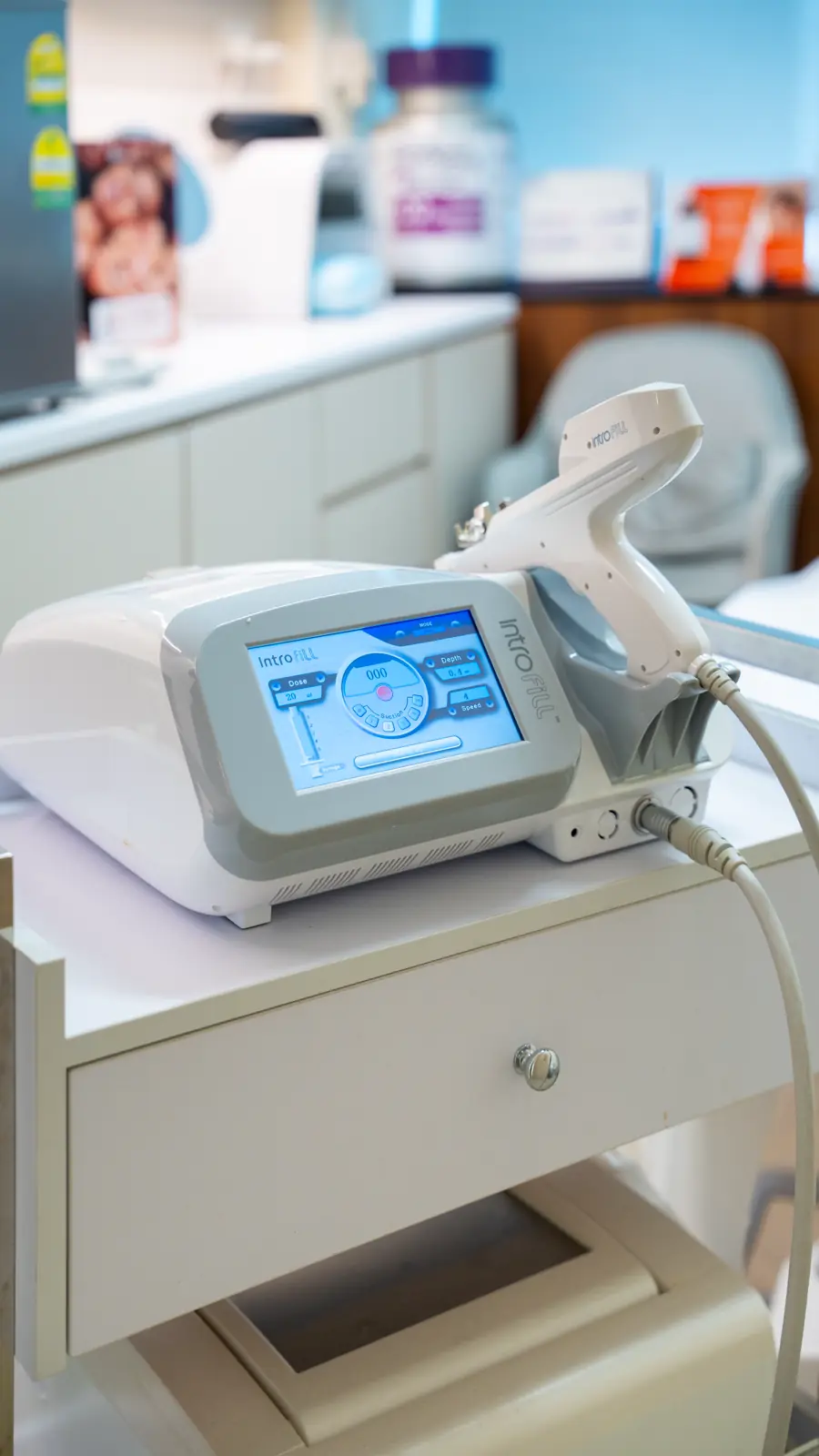
Skin boosters are grouped by their key ingredient. Hyaluronic acid boosters draw in and hold water; hybrid HA (Profhilo) combines high- and low-molecular-weight HA; DNA-based boosters and exosomes support repair and regeneration; and collagen-based boosters and PDLLA support the skin's structure and collagen. Your doctor may combine types.
Hyaluronic acid boosters
Crosslinked or non-crosslinked HA draws in and holds water for hydration, texture and glow. Some formulas add vitamins, amino acids, co-enzymes, antioxidants and minerals.
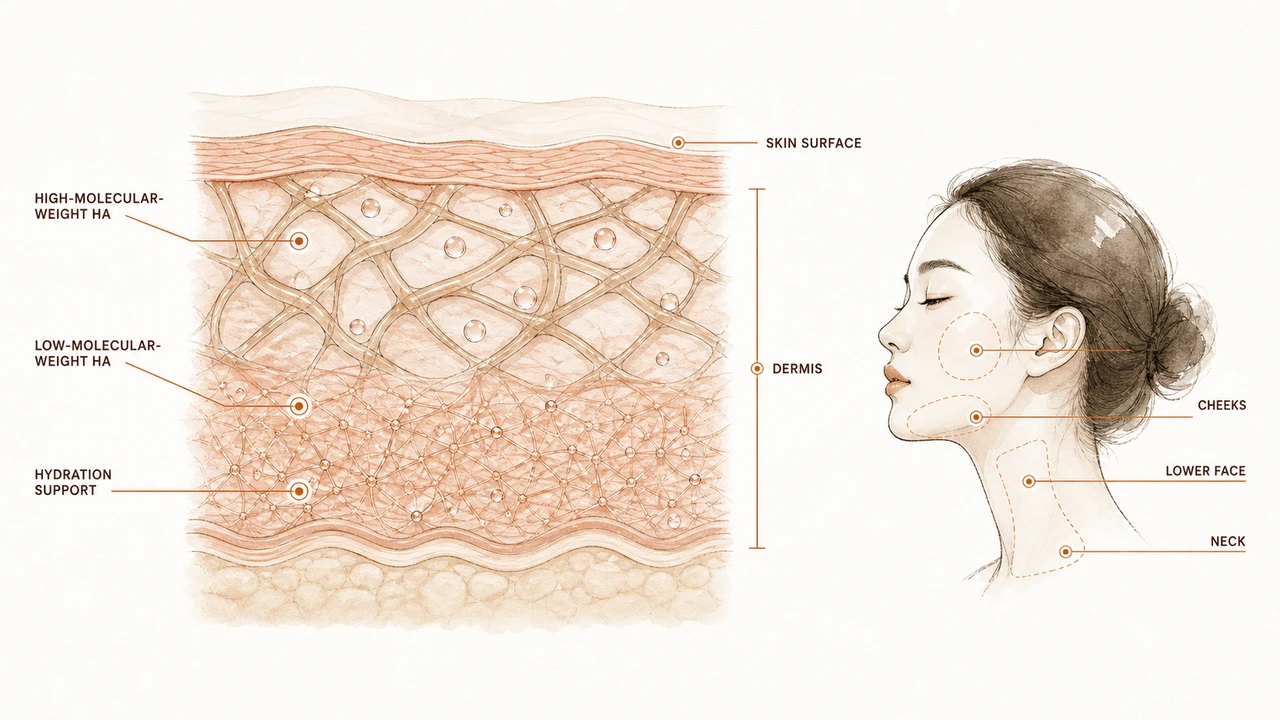
Hybrid hyaluronic acid
High- and low-molecular-weight HA work together to hydrate the skin and stimulate collagen and elastin, for firmness and bounce without adding volume.
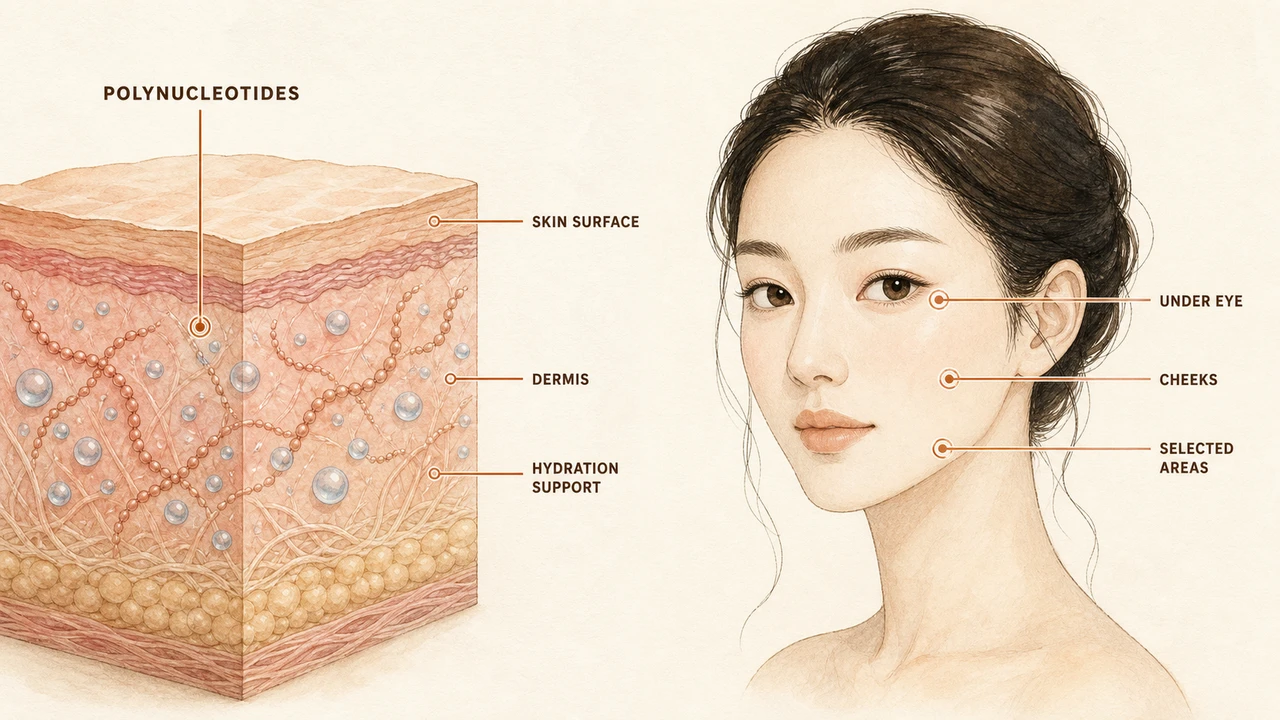
DNA-based boosters and exosomes
Salmon-derived PDRN and trout-derived polynucleotides (PN) support the skin's natural repair and regeneration, while exosomes carry growth factors and signalling molecules between cells.
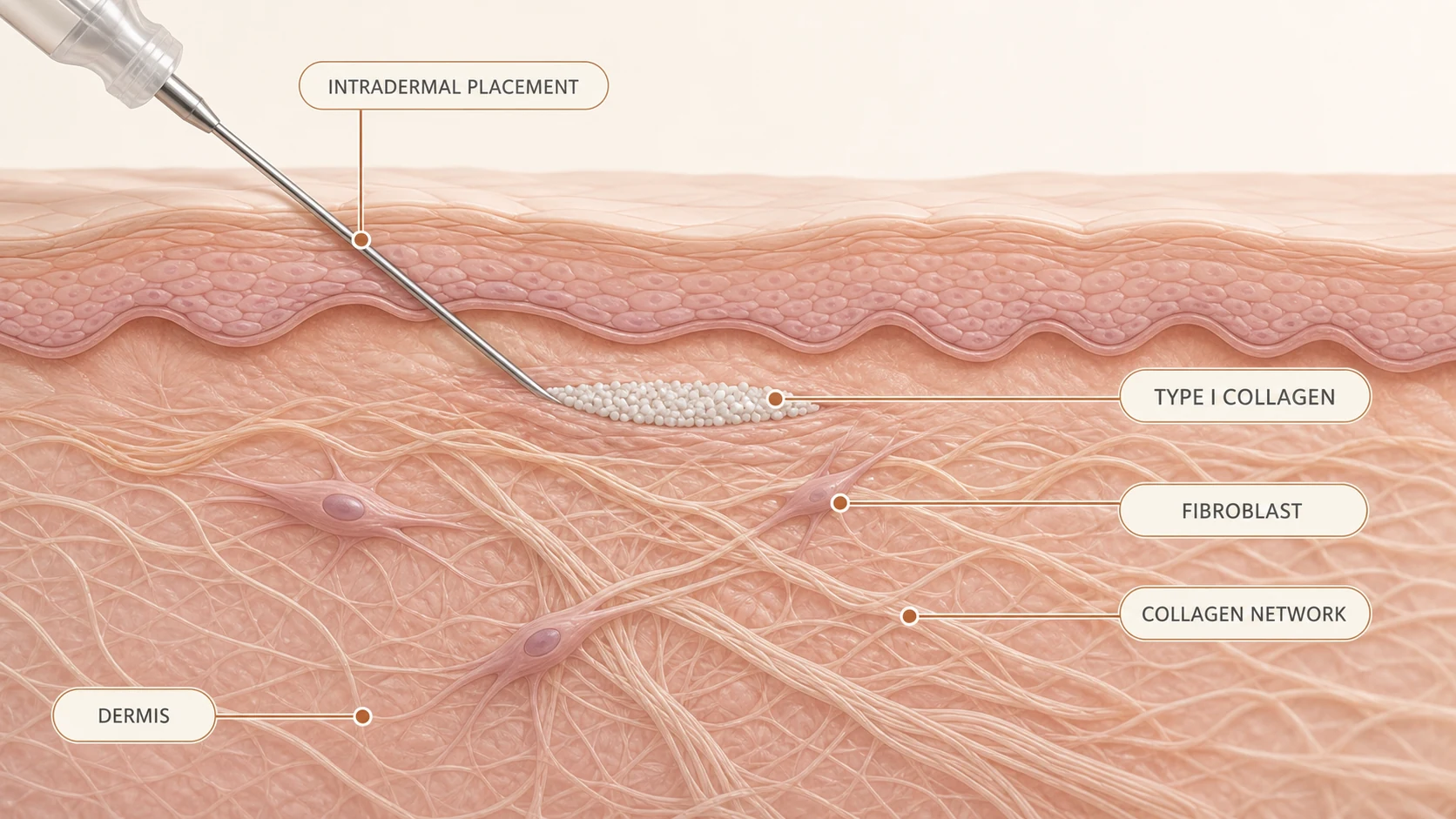
Collagen and collagen stimulators
Type I collagen and purified collagen gel stimulate fibroblasts to make new collagen, while human-derived extracellular matrix supports the structure collagen relies on. PDLLA with HA hydrates straight away, then stimulates collagen over the following weeks.
Choosing a booster
Many boosters overlap, so your doctor matches the booster, or a combination, to your skin after an assessment. As a starting point, these are the concerns five of our boosters are often chosen for; the table below compares all of them.
Pregnant, breastfeeding, allergic to fish or collagen, or have a skin infection? Tell your doctor first.

Often chosen for dry, dull or dehydrated skin: crosslinked HA improves hydration, texture and smoothness, for a glow that can last 6 to 9 months with optimal treatment.

Often chosen for mild to moderate laxity and a loss of firmness or glow: pure HA spreads evenly under the skin from five points on each side of the face.
Often chosen for tired eyes and dark eye circles, acne scars and firmness: trout-derived polynucleotides encourage skin cells to produce more collagen and elastin.
Often chosen for acne scars, enlarged pores, fine lines and lost volume: PDLLA with HA hydrates straight away and stimulates collagen over time.
Often chosen for dry, crepey or sagging skin and a loss of radiance: human-derived extracellular matrix supports the structure collagen relies on.

Your treatment journey
Your doctor assesses your skin and goals and reviews your medical history, including pregnancy, allergies, medicines and any previous fillers or injectables.
Together you choose a booster, or a combination, and agree the treatment areas: the face, neck, décolletage or hands.
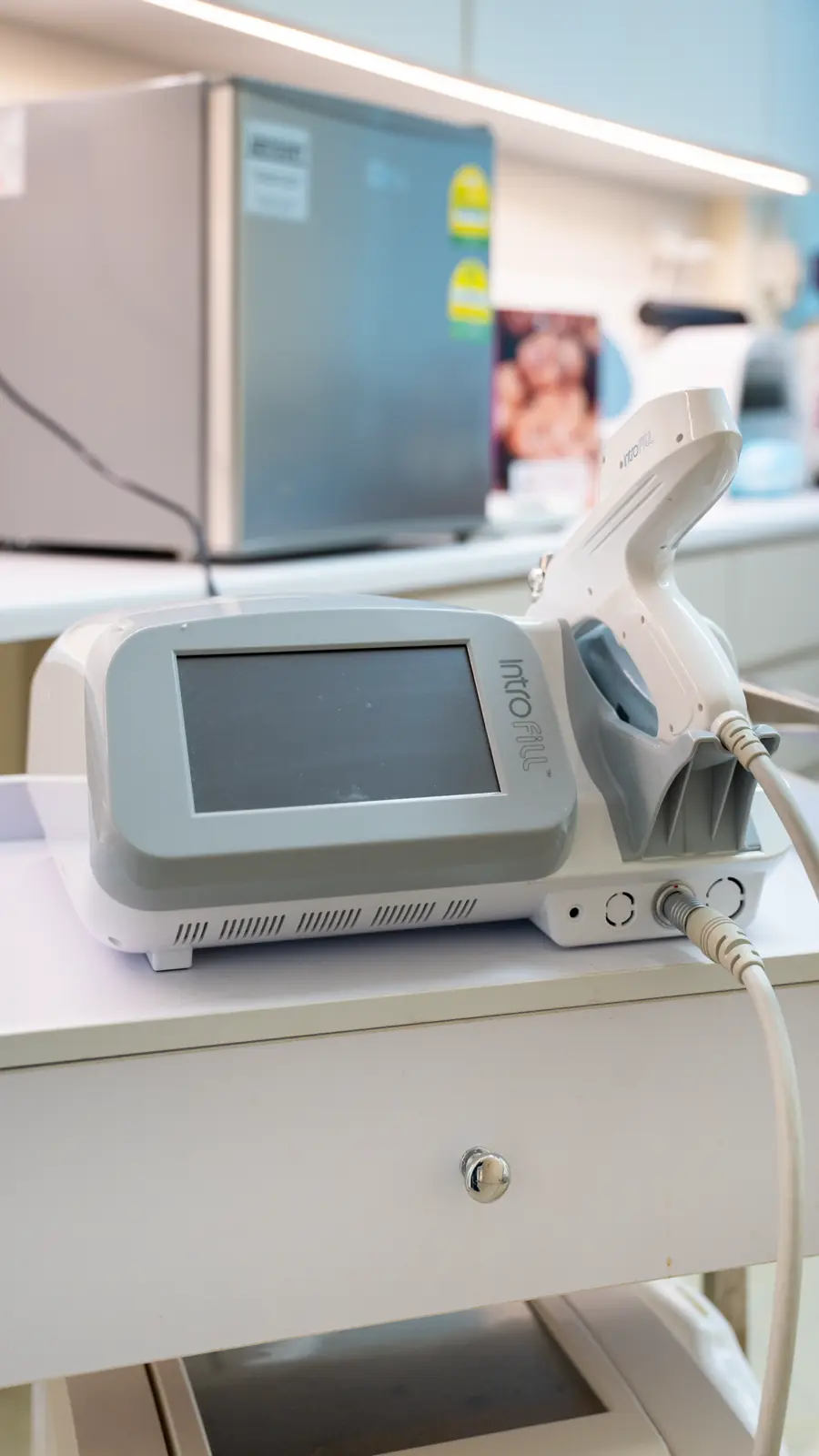
Topical anaesthesia is applied first to minimise discomfort. Depending on the booster, it is placed with fine needles, a cannula or an injector; most visits take about 30–60 minutes.
Most boosters are given as a short course, often 2–4 sessions a few weeks apart, followed by maintenance. Your doctor sets the schedule for your booster.
Safety & expectations
The right skin booster depends on your skin, not a trend: your doctor matches the booster to you.
Topical anaesthesia is applied first, and most people tolerate skin boosters well. Redness, swelling, small bumps or tiny bruises are common and usually settle within hours to days, depending on the booster. As with any injectable, a blood vessel can rarely be blocked; seek urgent care for severe pain, pale or mottled skin, or any change in vision.
Skin boosters are minimally invasive injectable treatments that mainly improve skin quality rather than add volume. The classic skin booster delivers hyaluronic acid, a natural moisture-binding substance that draws water into the skin to improve hydration, elasticity and texture and can stimulate collagen. Newer boosters use polynucleotides, collagen or exosomes, so your doctor chooses the type that suits your skin.
Skin boosters improve the quality of the skin itself, while dermal fillers add volume or change contour in specific areas. Dermal fillers are placed in areas such as the cheeks, chin or lips; skin boosters deliver small amounts of product across an area to improve hydration, texture, elasticity and glow. Some sit in between: PDLLA works as both a collagen biostimulator and a filler.
Skin boosters fall into four main types, grouped by what they mainly do. Hydrating boosters use hyaluronic acid alone or with nutrients (HA Skinbooster, HA15, NCTF 135HA, Dermo-Restructuring Complex). Hybrid HA remodels (Profhilo). DNA-based boosters and exosomes support repair (PDRN, PN, ASCE+). Collagen-based boosters and PDLLA help rebuild structure (HTIC, Injectable Collagen Gel, ECM, PDLLA).
Skin booster injections start with an assessment of your skin and medical history. Topical anaesthesia is applied to minimise discomfort, then the booster is placed with fine needles, a cannula or an injector for even distribution, depending on the product. Most visits take about 30 to 60 minutes including numbing, and most patients tolerate the injections well, though you may feel some pinching or pressure.
With hyaluronic acid skin boosters, changes are usually noticed 2–4 weeks after treatment and keep improving, with maximum results at 2–3 months; results are likely to last up to 9 months. Timelines vary by booster: NCTF 135HA often shows changes within 5 to 7 days, Profhilo results generally last about a year, and PDLLA typically 1 to 2 years.
Downtime after skin boosters is usually minimal. There may be some redness, swelling, small bumps or tiny bruises, which settle within an hour for some boosters and last about 3–5 days for others, depending on the booster and the individual. Your doctor will explain aftercare, which for some boosters means avoiding make-up, alcohol, heat or strenuous exercise for about a day.
Skin boosters can be used on the face, neck, décolletage and hands. Some are also used around the eyes, such as PN for tired eyes and dark circles and injectable collagen gel for tear troughs, and PN and ASCE+ are also used on the scalp. Your doctor will advise which skin booster and which areas suit you.
Skin boosters may not be suitable, or may need to wait, if you are pregnant or breastfeeding, have a skin infection in the area, or have allergies, including to fish (PDRN and PN are derived from fish DNA) or to collagen. Share your medicines and any previous fillers or injectables with your doctor too, as these affect which skin booster suits you.
Doctor-led care

Appointments
Book a consultation and skin assessment. Our doctors will recommend a booster, or a combination, for your skin and goals.