
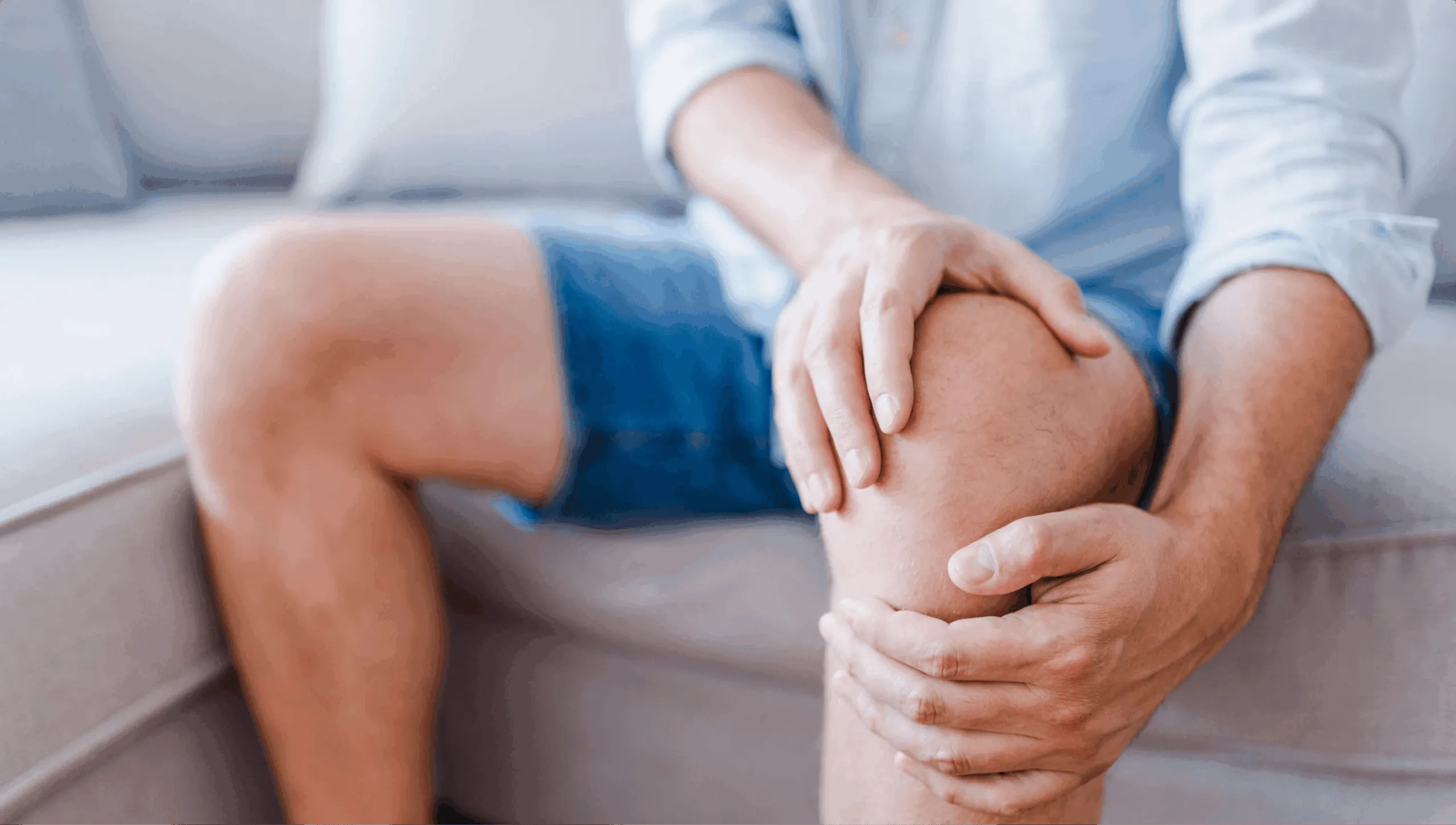
Overview Of Osteoarthritis
Osteoarthritis (OA) is a degenerative disease caused by the inflammation of the joints, resulting in thinning of the articular cartilage. Known as the most common form of arthritis, OA affects up to 10% of the adult and 20% of the elderly population in Singapore. The number of cases are likely to be underdiagnosed as many do not seek medical attention and attributed the condition to old age.
Osteoarthritis tends to affect joints such as the knees, hips, and spine, causing pain which worsens as the day progresses. It may also result in difficulty performing simple activities such as walking, climbing the stairs, squatting, or even kneeling.
While there is no cure for osteoarthritis, its symptoms can be managed to help slow the progression of the disease.
Diagnosis
Osteoarthritis is mostly diagnosed by your doctor through performing a physical examination and an assessment of your medical history. Certain common symptoms such as joint pain or stiffness after a period of inactivity, also called the “gelling phenomenon”, could help identify the disease.
Pain on range of motion, and also limitation of range of motion are other common symptoms of osteoarthritis. Typically X-rays may be ordered to evaluate the status and alignment of the affected joints. Blood tests, even if ordered, will be to rule out other conditions rather than to diagnose OA.
Symptoms
Osteoarthritis can happen in any joint, however, the most commonly affected joints are :
- Knees
- Hips
- Hands
- Small finger joints
- Lower back (Spine)
You may feel any one or more of the following symptoms at the affected joints:
- Pain at the affected parts
- Stiffness or pain after a period of immobility or rest and more so in the mornings
- Crepitation – A sensation of grating or grinding in the affected joint caused by rubbing of damaged cartilage surfaces
- Warmth – The arthritic joint may feel warm to the touch
- Walking difficulties, including walking downstairs / down slopes, and when you walk for long distance
As the disease progresses, your pain would become more intense, and swelling may occur. Early diagnosis will help people with osteoarthritis better manage the condition.
Risk factors
While there are no direct known causes of OA, the following may contribute to it:
Age: As people get older, the risk of developing OA increases due to wear and tear of the bones, muscles, and joints. Most people over the age 60 have OA to some degree, but its severity varies.
Gender: Females are more likely to experience OA. Decreased estrogen as experienced by post-menopausal women increases the risk of knee OA as estrogen protects the bones, specifically by reducing oxidative stress to the cartilage.
Previous Joint injury: Any broken bone, ligament tear, or general joint injury can lead to OA after a number of years.
Overuse or overactivity of joints: Utilization of the same joints repeatedly in physically demanding jobs, or in sports such as tennis or golf, may result in OA over time.
Obesity. Extra weight puts more stress on the joints, in particular of the knee, by overloading the weight-bearing mechanisms of the body. Also, the metabolic and pro-inflammatory effects of obesity have been studied as a contributing factor to osteoarthritis.
Weak muscles or muscle loss: Joints can be displaced from the right position when there is not enough support.
Genes: People with family members who have OA are more likely to develop OA. Individuals born with other bone diseases or genetic traits may also be more likely to develop osteoarthritis.
Treatments For Osteoarthritis
Despite its prevalence affecting those over the age of 60, a recent study published in ANNALS Academy of Medicine Singapore found that 96% of knee replacements performed in Singapore are caused by osteoarthritis, and 4.8% of people who receive total knee replacements are below the age of 50.
Other treatment options include:
Weight Management
The heavier you are, the higher the load is transferred to your leg joints and higher the chance of condition deteriorating. Sometimes, it may just be a case of lifestyle modification eg diet change to include more vegetables and fruits.
Physiotherapy
A physiotherapist can show you exercises to strengthen and increase the muscles around your joint to reduce pain. Regular exercise that you do on your own, such as swimming or walking, can be equally effective.
Oral medicine
- Paracetamol has been shown to help with mild to moderate symptoms.
- Non-steroidal anti-inflammatory drugs (NSAIDs like Ibuprofen and Naproxen etc, typically help to relieve the symptoms. Stronger NSAIDs are available with prescription. However, NSAIDS can cause undesirable side effects like stomach upset, cardiovascular problems, bleeding problems, and liver and kidney damage. NSAIDs as gels, applied to the skin over the affected joint, have fewer side effects and may relieve pain just as well.
Injection
- High molecular weight hyaluronan injection, otherwise known as non-steroid injections, is a complex sugar used to treat OA of the knees in patients who have failed to respond to the above 2 methods. There are 2 known brands:
Monovisc® : shown to provide relief of OA knee pain two weeks after injection. This single injection is both biocompatible and resorbable with relief lasting a few months.
ORTHOVISC® : After three or four consecutive weekly injections, treatment can provide up to six months of knee pain relief.
Side effects include diarrhea, headache, nausea but these effects should be temporary. - Steroid Injections. Relief tends to last for weeks at most. Side effects due to repeated injections include risk of infection, nerve damage, thinning of surrounding skin, rupture of tendon and thinning of bone with every jab
Under the Ministry of Health’s Chronic Disease Management Programme (CDMP), you may also be eligible to claim up to S$500 from your Medisave. Fusion Medical is one of the participating CDMP GP clinics which is able to help you to check on your Medisave balance for claims purposes.
Speak to our doctors today to know which is the best option for you.
This guide provides general information and is not a diagnosis or substitute for personalised medical advice.