
Calcaneal ultrasound
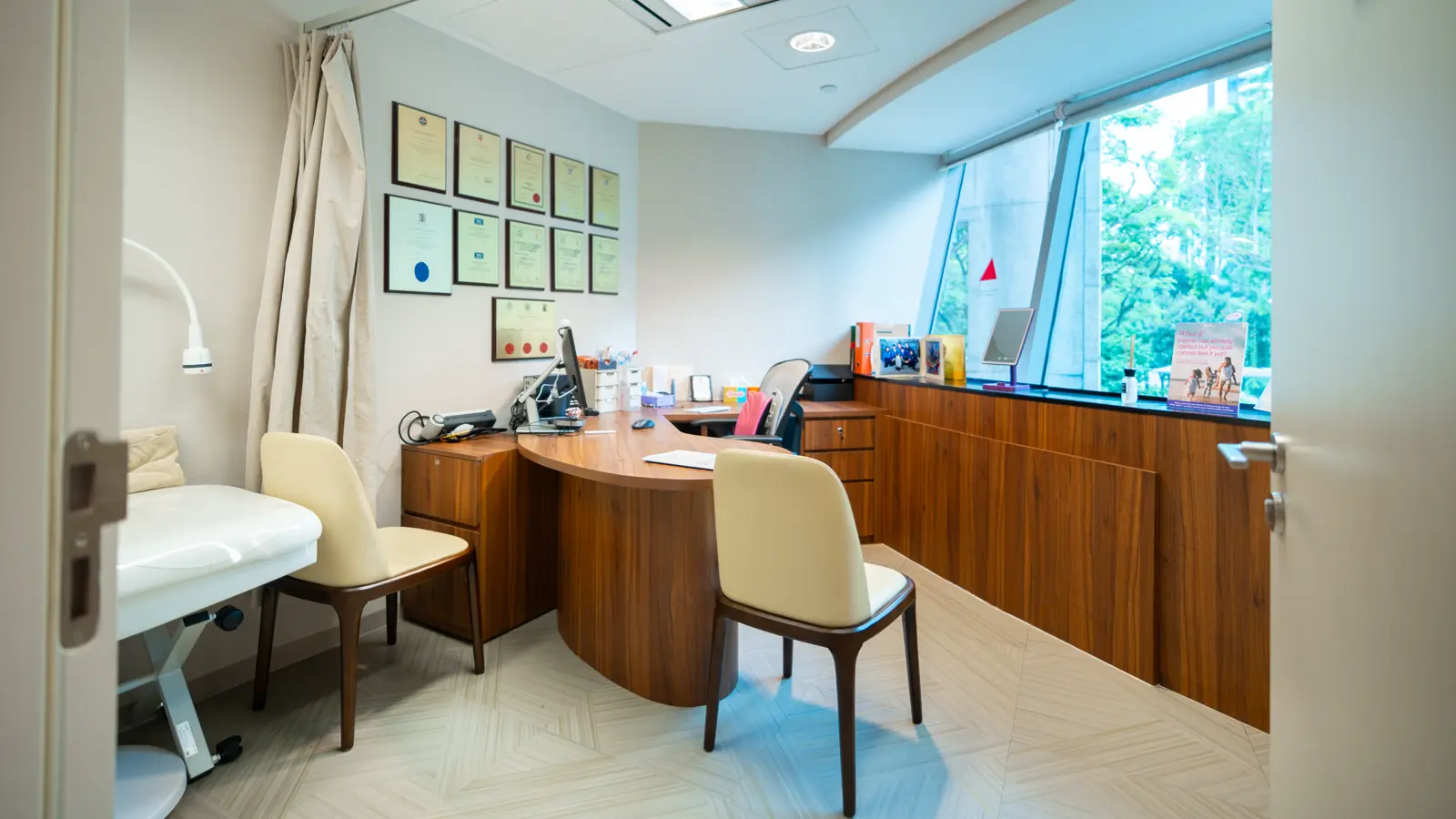
You sit with one bare foot placed in the device while ultrasound passes through the heel bone for a short time. There are no needles and no radiation, and your doctor explains the reading with your other results.


Bone density test · Singapore
Our bone density test uses ultrasound at the heel to estimate bone strength and osteoporosis risk. It takes minutes, uses no radiation and is part of many screening packages.
A quick heel scan that estimates bone strength, with no radiation.
A bone density test estimates how strong your bones are. At Fusion Medical it is done with calcaneal ultrasound bone densitometry: you rest your bare heel in a small device, and sound waves passing through the heel bone give a reading linked to bone density and fracture risk.
The heel test is quick, uses no radiation, and is included in the Deluxe, Gold, Diamond, Pearl, Opal and Merdeka packages, as well as our Breast & Women's Health, Perimenopause & Menopause and Andropause packages.
A heel ultrasound is a screening and risk-assessment tool. It is not the same as a DEXA (DXA) scan of the hip and spine, which is the standard test used to diagnose osteoporosis. If your heel reading is low, or you have strong risk factors, your doctor may recommend a DEXA scan and discuss ways to protect your bones.
How it works
Sound waves travel differently through strong and weaker bone. The device sends ultrasound through the heel bone, measures how the waves are slowed and weakened, and turns this into an estimated bone density score. The heel is used because it is easy to measure and is made mostly of spongy bone.
Calcaneal ultrasound
You sit with one bare foot placed in the device while ultrasound passes through the heel bone for a short time. There are no needles and no radiation, and your doctor explains the reading with your other results.
An estimate of bone strength
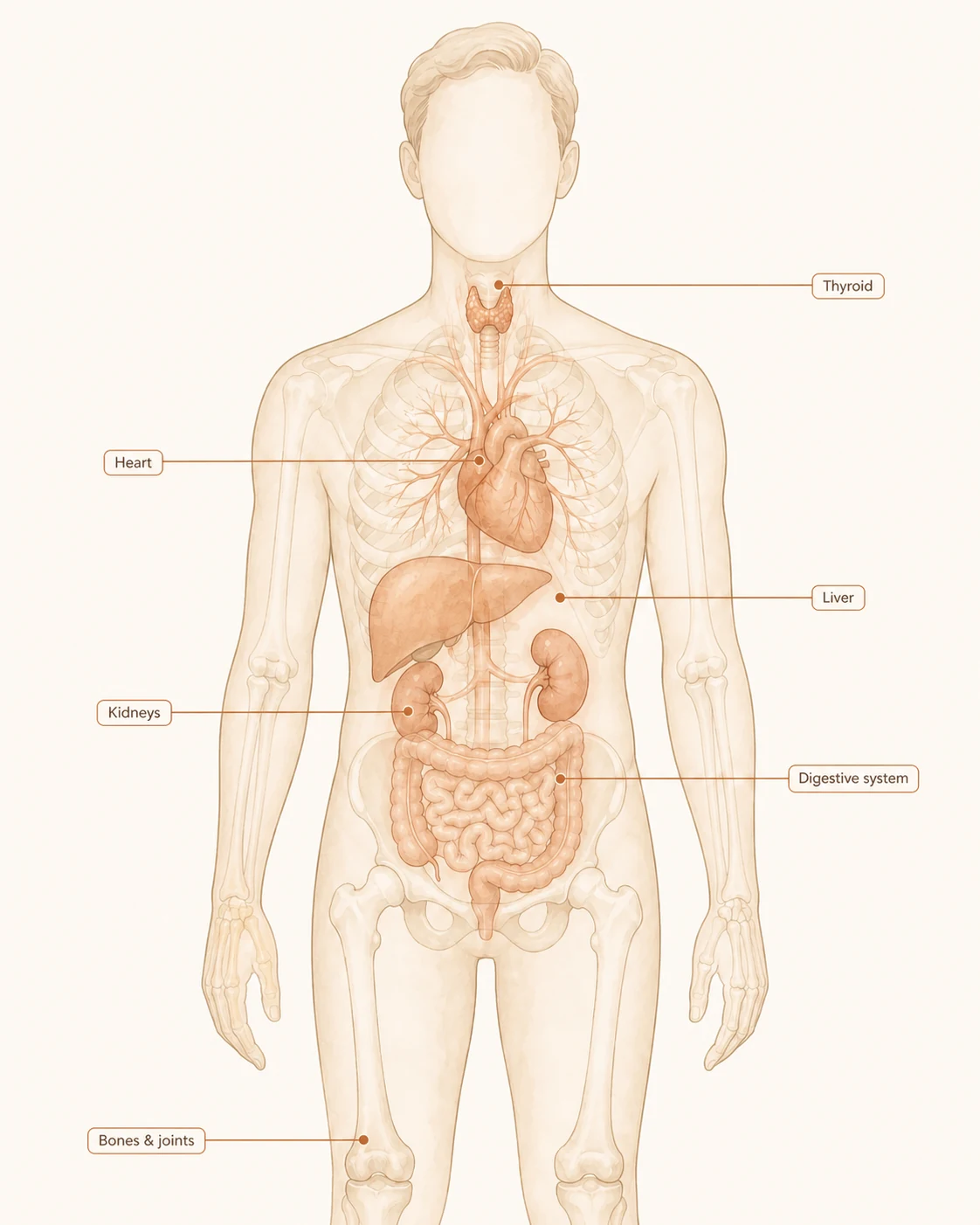
The result estimates your bone density compared with healthy young adults and with people of your age. It helps identify who may have low bone density and would benefit from a fuller assessment.
Heel ultrasound and DEXA
DEXA uses low-dose X-rays to measure bone density at the hip and spine, and its result is used to diagnose osteoporosis. A heel ultrasound is quicker and radiation-free but gives an estimate and is not used to monitor treatment, so a low or borderline heel result may be followed by a DEXA scan.
Reading the result in context
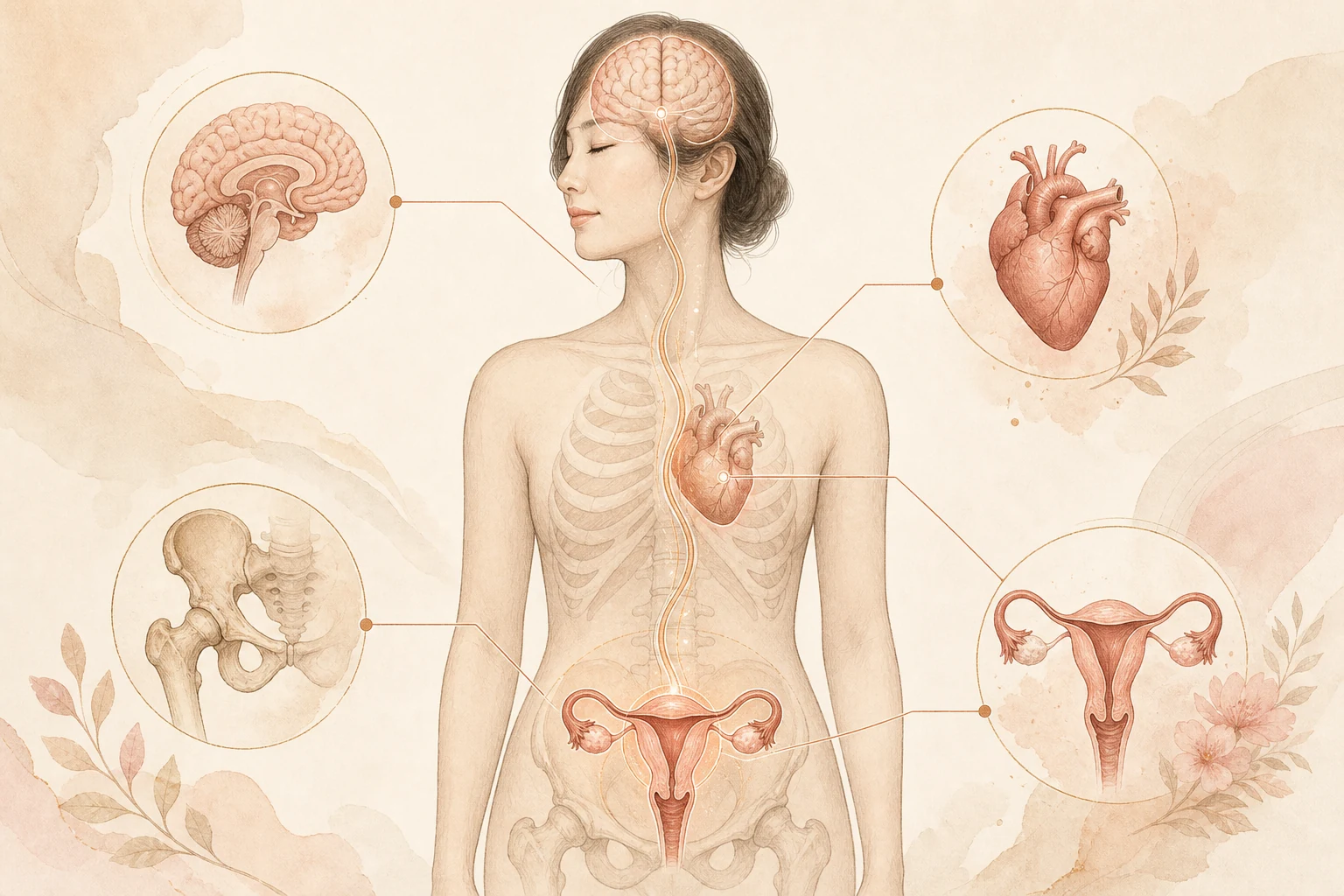
Your doctor looks at the reading together with risk factors such as age, menopause, family history, smoking and long-term steroid use, and with blood tests such as calcium, and vitamin D where it is included in your package.
Who it's for
Bone loss usually causes no symptoms until a bone breaks, so testing is based on risk. It is worth discussing if you are a woman after menopause, a man aged 65 or above, or have risk factors such as early menopause, a family history of hip fracture, smoking, low body weight or long-term steroid use.
Broken a bone in a minor fall? Tell your doctor.
The Perimenopause & Menopause package includes bone densitometry alongside hormonal, heart and breast checks.
The Fusion Breast & Women's Health package includes bone densitometry, breast imaging and a pelvic ultrasound.
All three Fusion Merdeka packages include bone densitometry, with ECG and eye checks.
The Andropause package includes bone densitometry alongside hormone and heart checks.
Included from Fusion Deluxe upwards, in the Gold, Diamond, Pearl and Opal packages.
Your bone density test, step by step
Choose a screening package that includes bone densitometry, or ask our team which one suits you.
No fasting is needed for this test. Wear footwear that is easy to remove, and bring any previous bone density reports.
You sit and place one bare heel in the device. The reading takes a few minutes.
Your doctor explains the result and, if it is low or you have risk factors, discusses a DEXA scan, calcium, vitamin D, exercise and preventing falls.
From our doctors
Dr Wenus explains the health checks worth prioritising around menopause: heart health, bone health and female cancer screening.
Safety & expectations
A heel ultrasound is a quick first look at bone health. A low reading is a reason for a fuller assessment, not a diagnosis.
Tell us about any previous fractures, long-term medicines such as steroids, and earlier bone density results. The heel test uses no radiation and needs no special preparation.
At Fusion Medical, a bone density test (calcaneal ultrasound bone densitometry) is included in many health screening packages at Wheelock Place, 501 Orchard Road, including Deluxe, Gold, Diamond, Pearl, Opal, Merdeka and our women's, menopause and andropause packages. Our doctors review the result with you and advise whether you also need a DEXA scan.
No: a heel ultrasound bone density test is a useful, radiation-free screening test, but a DEXA (DXA) scan of the spine and hip is the test used to diagnose osteoporosis. Singapore's 2025 osteoporosis consensus statements recommend DEXA at these sites for diagnosis. A heel reading is not used to diagnose osteoporosis or to monitor treatment, so a low or borderline result is usually checked with a DEXA scan.
A heel ultrasound bone density test should not hurt: you sit and rest one bare foot in the device while the reading is taken. There are no needles and no radiation, and it takes only a few minutes. Let us know if you have a foot injury or broken skin on your heel.
Doctors should consider bone density testing for people with risk factors for osteoporosis or fragility fractures, particularly all women after menopause and men aged 65 and above, according to the Agency for Care Effectiveness. Risk factors include early menopause, a family history of hip fracture, smoking, heavy drinking, low body weight, long-term steroid medicines and a fracture after a minor fall. Your doctor can advise whether a heel test or a DEXA scan suits you.
The heel ultrasound needs no fasting or special preparation. Wear shoes and socks that are easy to remove, and bring any previous bone density reports so your doctor can compare. If your screening package also includes blood tests, follow the fasting instructions for those.
The reading estimates your bone density compared with healthy young adults and with people your age. A normal heel result is reassuring, though it cannot rule out low bone density at the hip or spine. A low or borderline result means your doctor may suggest a DEXA scan, along with advice on calcium, vitamin D, exercise and preventing falls.
How often you need a bone density test depends on your age, risk factors and previous results. If your heel test is normal and your risk is low, your doctor may suggest repeating it with your routine health screening. If you have been told you have low bone density, follow-up is usually with a DEXA scan, at intervals your doctor advises.
Doctor-led care
Appointments
Book a screening consultation at Wheelock Place and our team will suggest a package that includes a bone density test.