Fusion Medical
clinic singapore
+65 6235 1512
Have Any Questions?
Mon-Fri : 8:30am – 5:30pm┃Sat : 8:30am – 1:00pm
wheelock@fusionmedical.com.sg
501 Orchard Rd #04-11, Singapore 238880
Fusion Medical
clinic singapore
+65 6235 1512
Have Any Questions?
Fusion Medical
clinic singapore
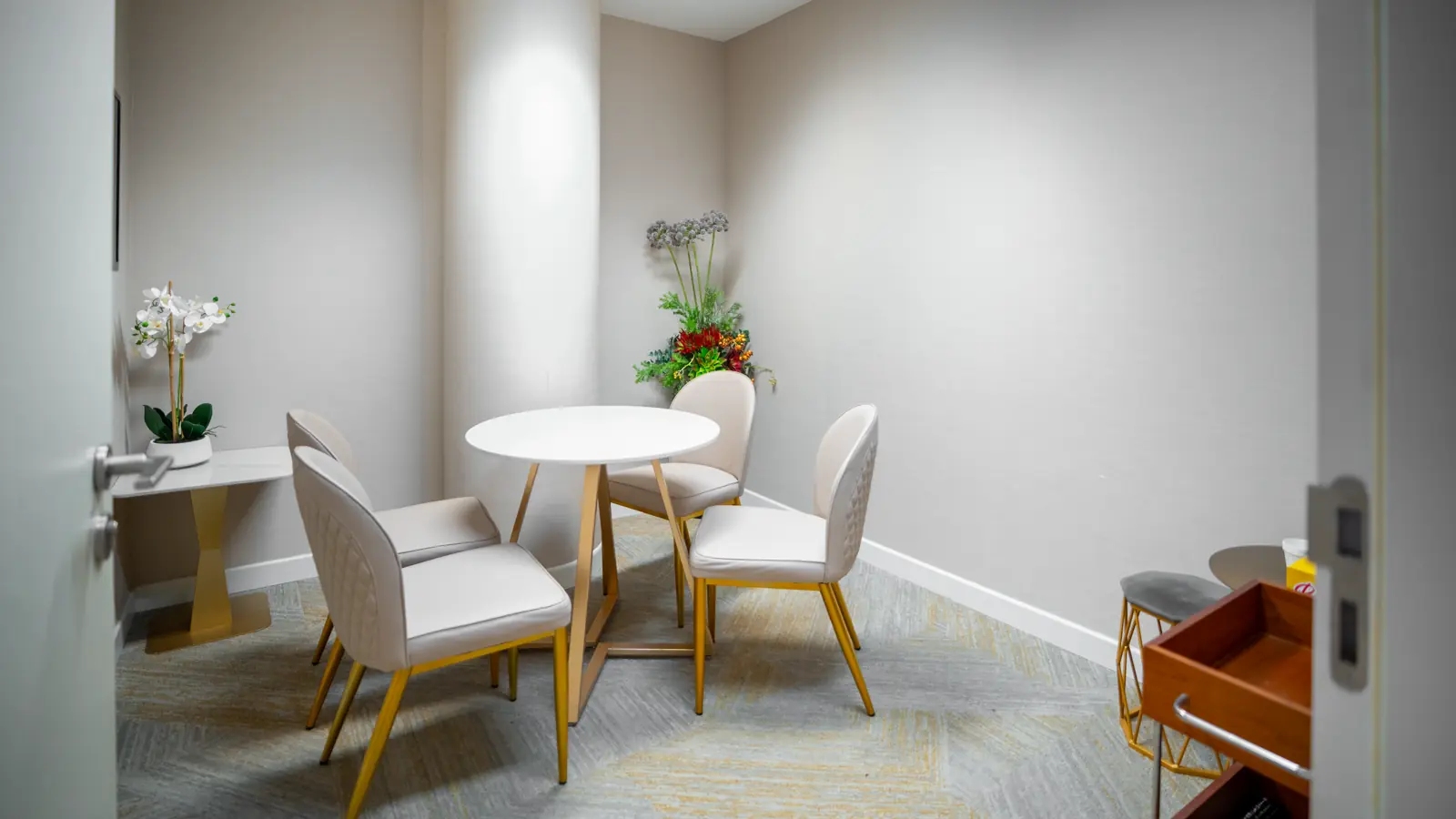
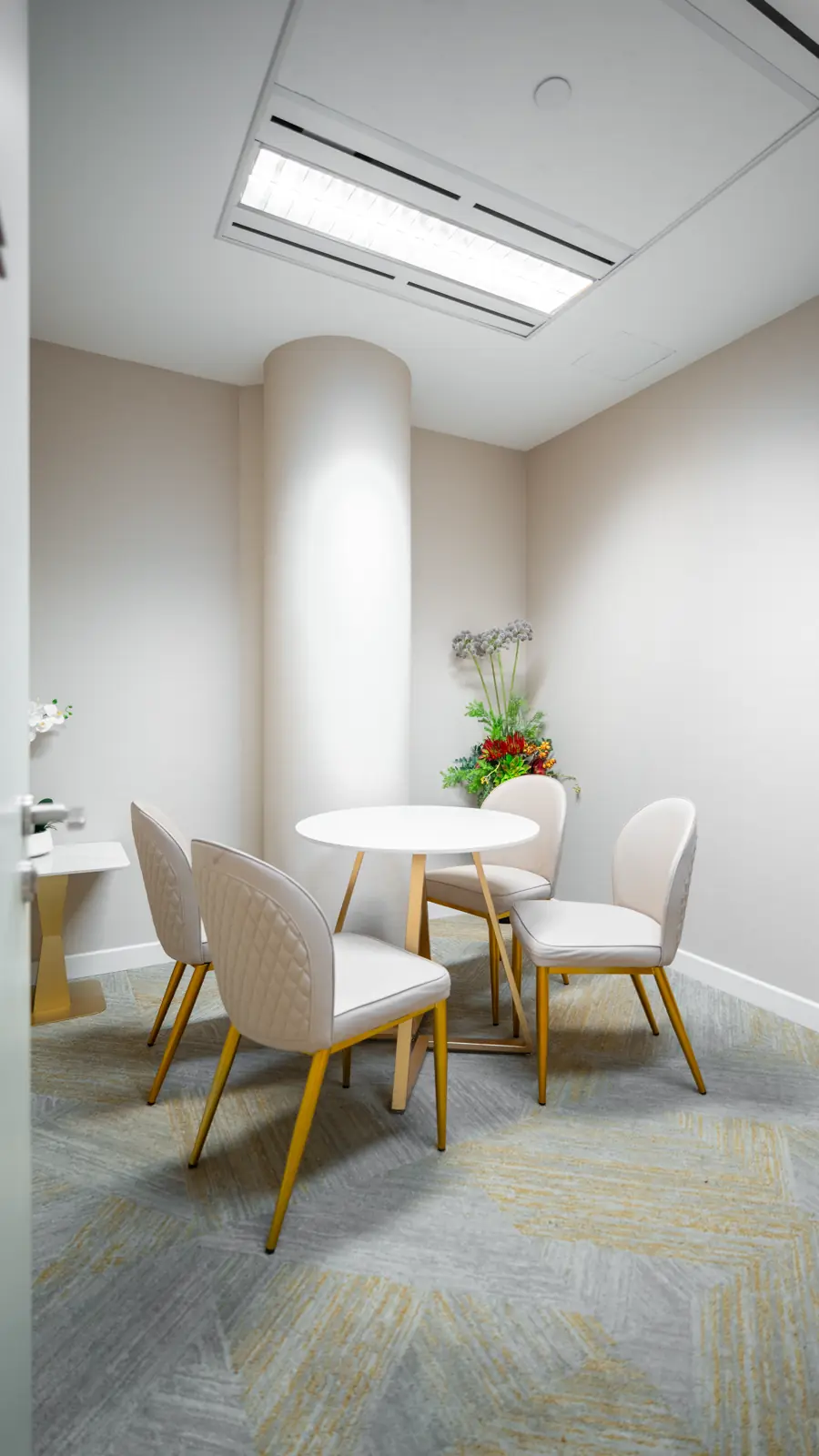
Private consultation room at Fusion Medical, Wheelock Place

Retinal screening · Singapore

Retinal screening: a photograph of the back of your eye.

A retinal photograph shows the blood vessels and nerve at the back of the eye. It is part of many of our screening packages, with eye pressure and vision checks.

What is retinal screening?

A photo of the back of your eye can show early changes from diabetes and blood pressure.

Retinal screening uses a special camera to photograph the retina, the light-sensitive layer at the back of the eye, together with the optic nerve and its blood vessels. Because these vessels can be seen directly, the photo can show early changes linked to diabetes and high blood pressure.

At Fusion Medical, retinal photography (listed as 'retinophotography') is included in the Gold, Diamond, Pearl, Opal and Merdeka packages, and in our Breast & Women's Health, menopause, andropause and Liver & Cardiovascular packages. It is paired with tonometry, an eye pressure test, and in some packages a visual acuity and colour vision check.

Retinal screening is not a full eye examination. It cannot measure your glasses prescription or rule out every eye condition, and it does not replace a review by an optometrist or ophthalmologist if you have symptoms. If the photograph shows something that needs a closer look, your doctor will advise a referral to an eye specialist.

  • A quick photograph — of the back of each eye
  • Eye pressure — tonometry is included in the same packages
  • Small blood vessels — a view of how diabetes and blood pressure affect them
  • Doctor review — findings explained, with referral if needed
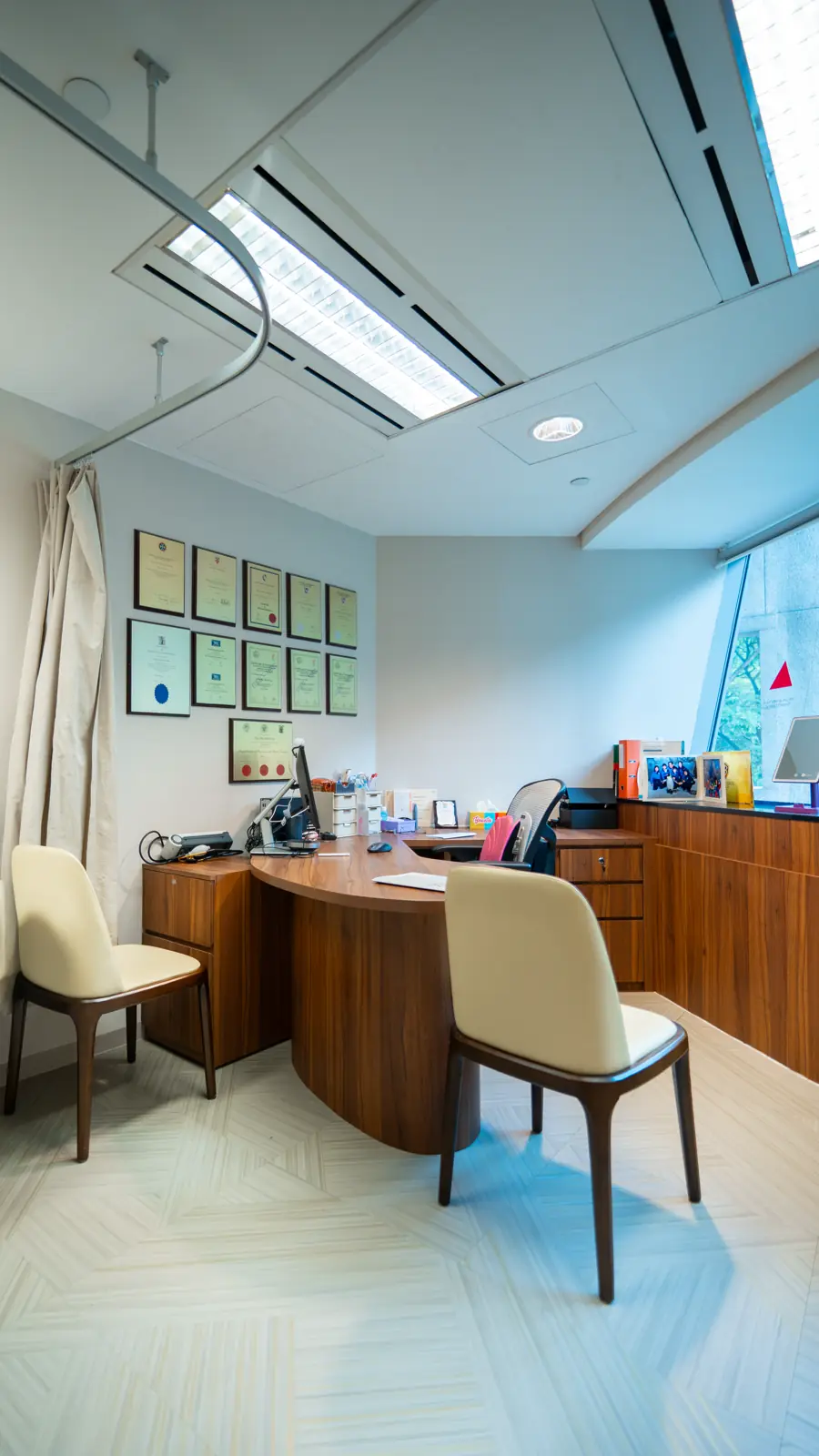
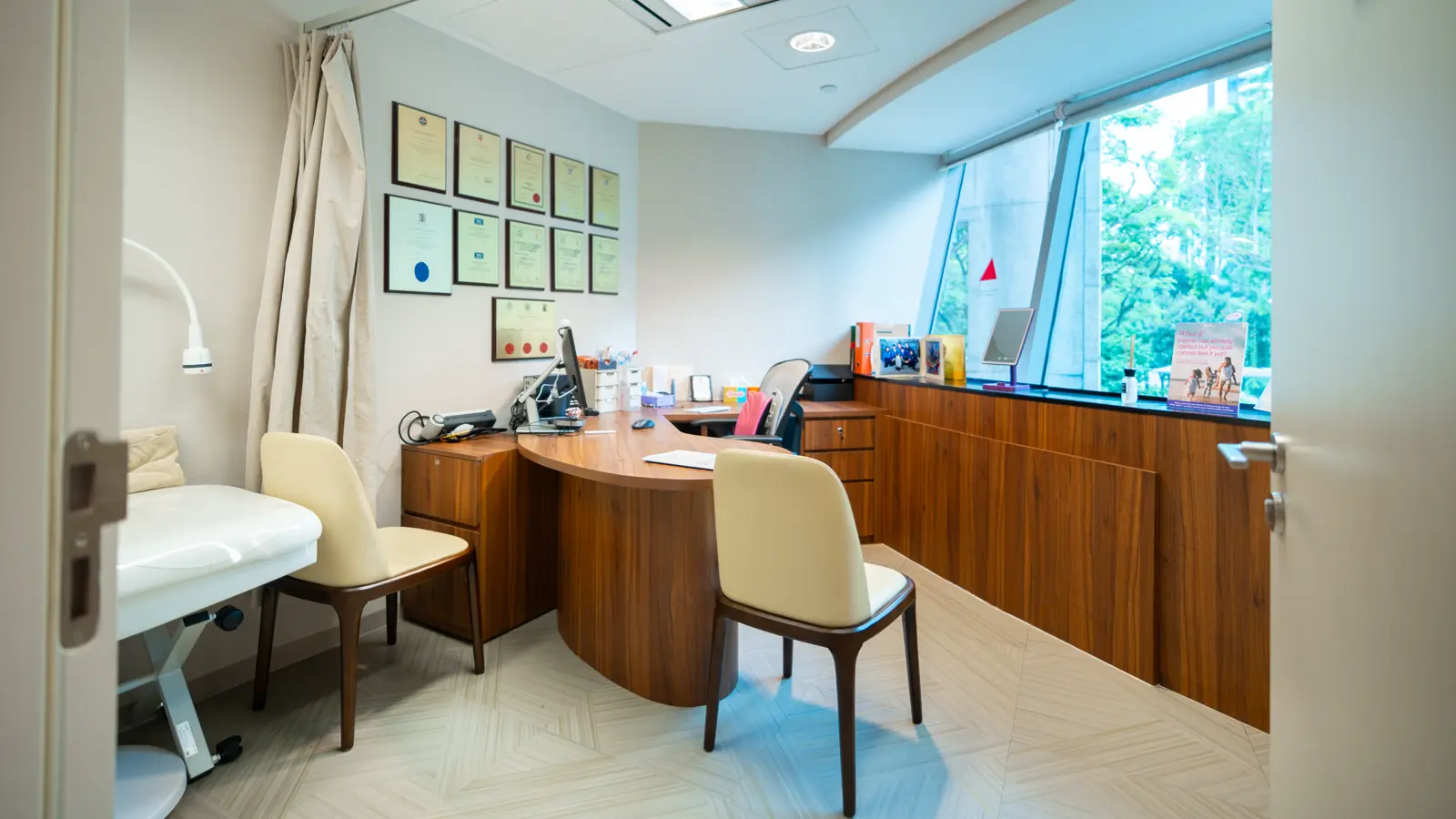
Doctor's consultation room at Fusion Medical, Wheelock Place
Retinal photographs are reviewed with the rest of your screening results.

How it works

How does retinal screening work?

You sit at a camera with your chin on a rest and look at a target light while a photograph of the back of each eye is taken, usually with a bright flash. The camera does not touch the eye. Separate checks in the same visit measure eye pressure and, in some packages, how clearly you see.

See the steps

Doctor's consultation room at Fusion Medical, with a desk and examination couch

Retinal photography

A photograph of the retina, optic nerve and blood vessels of each eye. The images are checked for:

  • Small bleeds, leaks or swelling from tiny blood vessels
  • Narrowing or other changes in the vessel walls
  • Changes in the optic nerve that may suggest glaucoma
  • Changes at the centre of the retina (the macula)

Illustration of a doctor talking a patient through a screening plan

Private consultation room at Fusion Medical, with a round table and four chairs

Who it's for

Who should have retinal screening?

Retinal photography is useful for adults having a general health screening, especially people with diabetes, high blood pressure, short-sightedness or a family history of glaucoma, and older adults. People with diabetes should have an eye examination or screening at least once a year.

Retinal screening at a glance
Question What to expect thenGood to know
Preparation No fasting is needed for the eye tests. Bring your glasses or contact lenses for the vision check. Tell us about any eye condition, eye surgery or eye drops you use.
How long it takes The photographs take a few minutes for both eyes. The eye pressure and vision checks add a few minutes more.
Comfort The camera does not touch your eye. The flash is bright and may leave a brief after-image. Each step is explained before it starts.
Eye drops Many retinal cameras work without drops to widen the pupils. If drops are needed, your vision may blur for a few hours, so don't drive until it clears.
Results The photographs are assessed and your doctor explains any findings with your screening report. Findings that need a closer look are referred to an eye specialist.
Corridor inside Fusion Medical, Wheelock Place
Fusion Medical reception desk and logo

Your eye checks, step by step

Book. Prepare. Scan. Review with the doctor.

  1. Book

    Choose a screening package that includes retinal photography, or ask our team which packages do.

  2. Prepare

    Bring your glasses or contact lenses and a list of any eye drops or medicines you use.

  3. Scan

    You rest your chin on the camera and look at a light while each eye is photographed; eye pressure and vision checks follow.

  4. Review with the doctor

    Your doctor explains the photographs with your other results and arranges a referral to an eye specialist if needed.

Safety & expectations

Retinal screening is a quick photograph, not a full eye examination. New eye symptoms should be seen by a doctor or eye specialist.

Tell us about any eye conditions, previous eye surgery and the eye drops or medicines you use. Seek urgent care for sudden loss of vision, new flashes or floaters, or a painful red eye.

Retinal Screening: frequently asked questions

Where can I get retinal screening in Singapore?

At Fusion Medical, retinal photography is included in many of our health screening packages at Wheelock Place, 501 Orchard Road, including Gold, Diamond, Pearl, Opal and the Merdeka packages. It is done together with an eye pressure test, and our doctors review the results with you. Our team can tell you which package suits you.

What is retinal photography?

Retinal photography, also called fundus photography, uses a special camera to take a detailed picture of the back of the eye: the retina, the optic nerve and the blood vessels. Because these vessels can be seen directly, the photograph can show changes linked to diabetes, high blood pressure and some eye diseases, often before you notice any change in vision.

Does retinal screening hurt?

Retinal screening should not hurt, because the camera does not touch your eye. You rest your chin on a support and look at a light while the photograph is taken. The flash is bright and may leave a brief after-image. The eye pressure test is also quick, and the team explains each step before it starts.

Will my eyes be dilated for retinal screening?

Your eyes may not need to be dilated for retinal screening, as many retinal cameras can photograph the back of the eye without drops to widen the pupils. If drops are needed, your vision may be blurred and sensitive to light for a few hours, so you should not drive until it clears. Our team will tell you what to expect when you book.

Can retinal screening detect glaucoma?

Retinal screening can show changes in the optic nerve that suggest glaucoma, and the eye pressure test (tonometry) checks for raised pressure, a key risk factor. Neither test alone can diagnose glaucoma. If either result is outside the expected range, your doctor will advise a full assessment by an eye specialist, including a visual field test.

How often should I have my eyes screened?

How often you need retinal screening depends on your age and health. People with diabetes should have an eye examination or screening at least once a year, according to the Singapore National Eye Centre. Other adults can include retinal photography in a regular health screening, and anyone with new vision symptoms should see a doctor or eye specialist rather than wait for their next screening.

Is retinal screening the same as a full eye examination?

No, retinal screening is not the same as a full eye examination. It photographs the back of the eye and, in our packages, is paired with an eye pressure test and sometimes a vision check. A full eye examination by an optometrist or ophthalmologist also looks at the front of the eye, measures your prescription and examines the eye in more detail.

Appointments

Include your eyes in your next screening.

Book a screening consultation at Wheelock Place and our team will suggest a package that includes retinal photography and an eye pressure test.

501 Orchard Road, #04-11 Wheelock Place, Singapore 238880 · Mon–Fri 8:30am–5:30pm · Sat 8:30am–1pm