
Mammogram: the screening test
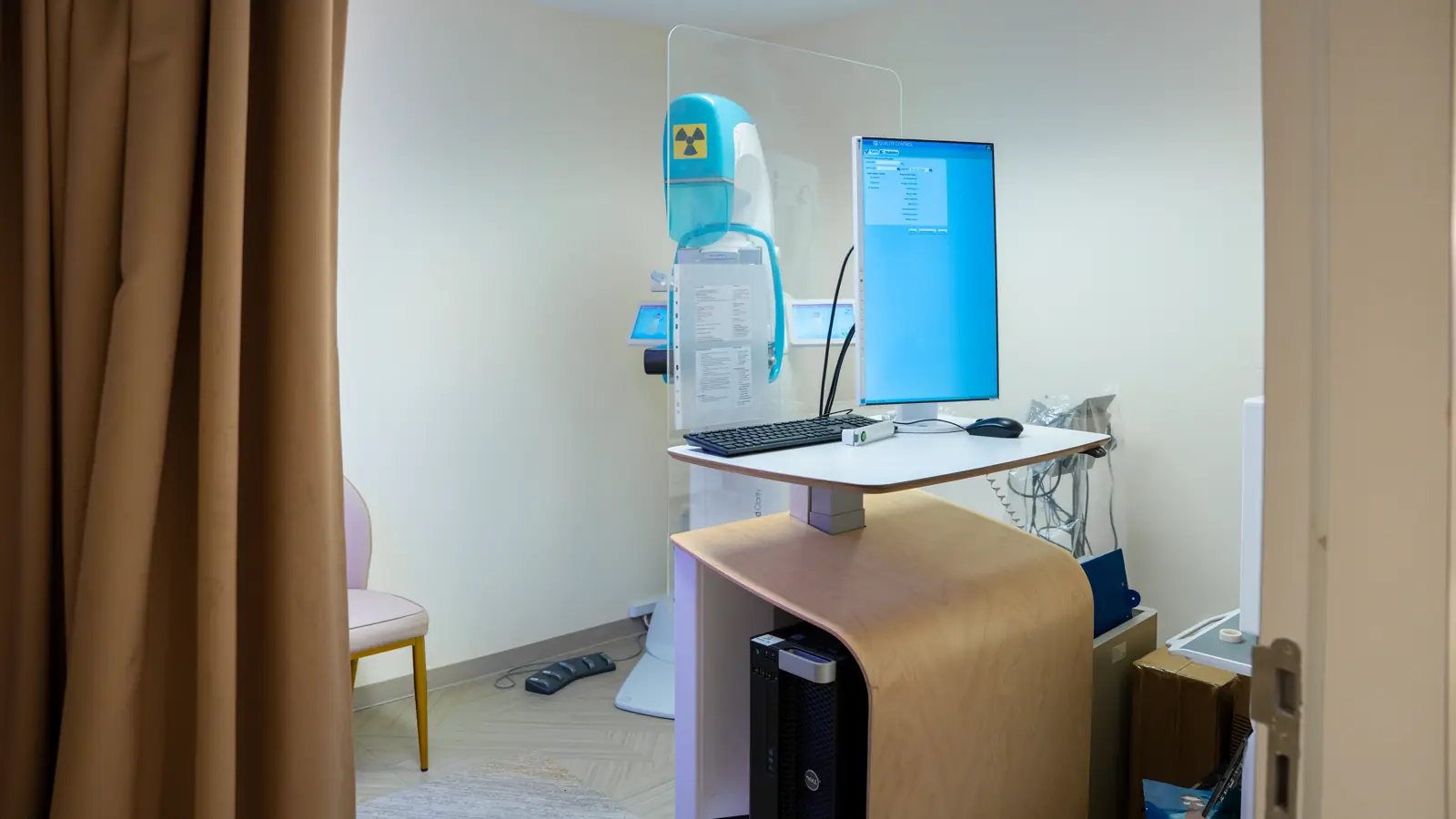
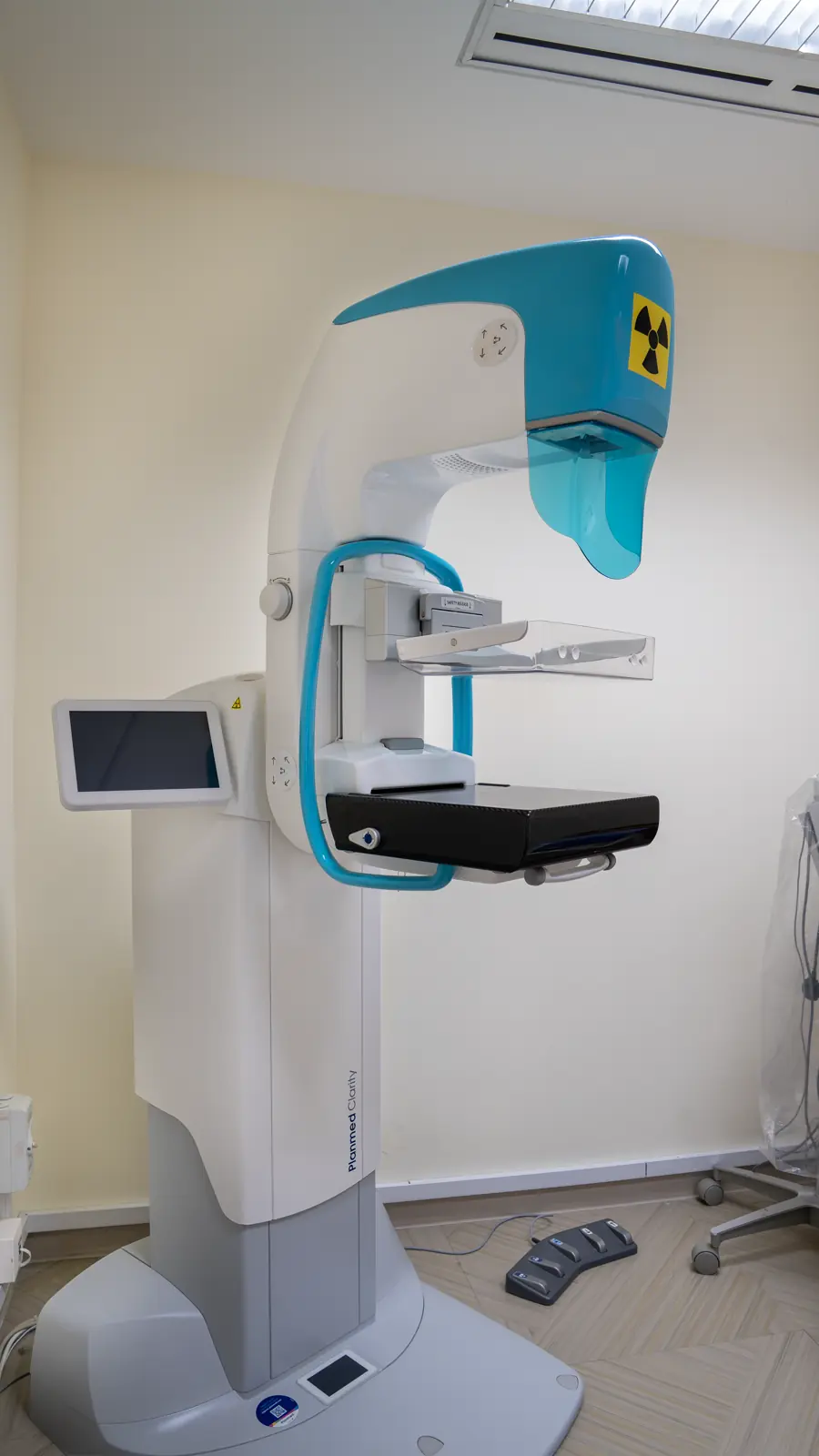
A mammogram is a low-dose X-ray of each breast, compressed for a few seconds per view. It can show changes too small to feel, and it is the established screening test for women without symptoms.




Breast screening · Singapore
Which test, when, and how often: breast screening planned around your age, breast density and family history, with mammograms done on site at Wheelock Place.
The right breast test for the right question, at the right age.
Breast cancer screening means checking women without symptoms for breast cancer, to find it before it can be felt or causes signs. The screening test is a mammogram, a low-dose X-ray of the breasts. In Singapore it is recommended every two years from 50 to 69, and every year from 40 to 49 if you choose to screen after talking to your doctor.
Screening is not for symptoms: a new lump, nipple discharge or skin change needs a doctor's assessment straight away, even if your last mammogram was normal. At Fusion Medical, mammograms are done on site in 2D or 3D by a female radiographer, a breast ultrasound can be added when needed, and our doctors connect the report to your next step.
The screening pathway
Screening starts with a short review of your age, symptoms, family history and previous imaging, so the right test is booked. The images are then reported. If an area needs a closer look, you may be called back for extra views or an ultrasound; only a tissue sample (biopsy) can confirm cancer.
Mammogram: the screening test
A mammogram is a low-dose X-ray of each breast, compressed for a few seconds per view. It can show changes too small to feel, and it is the established screening test for women without symptoms.
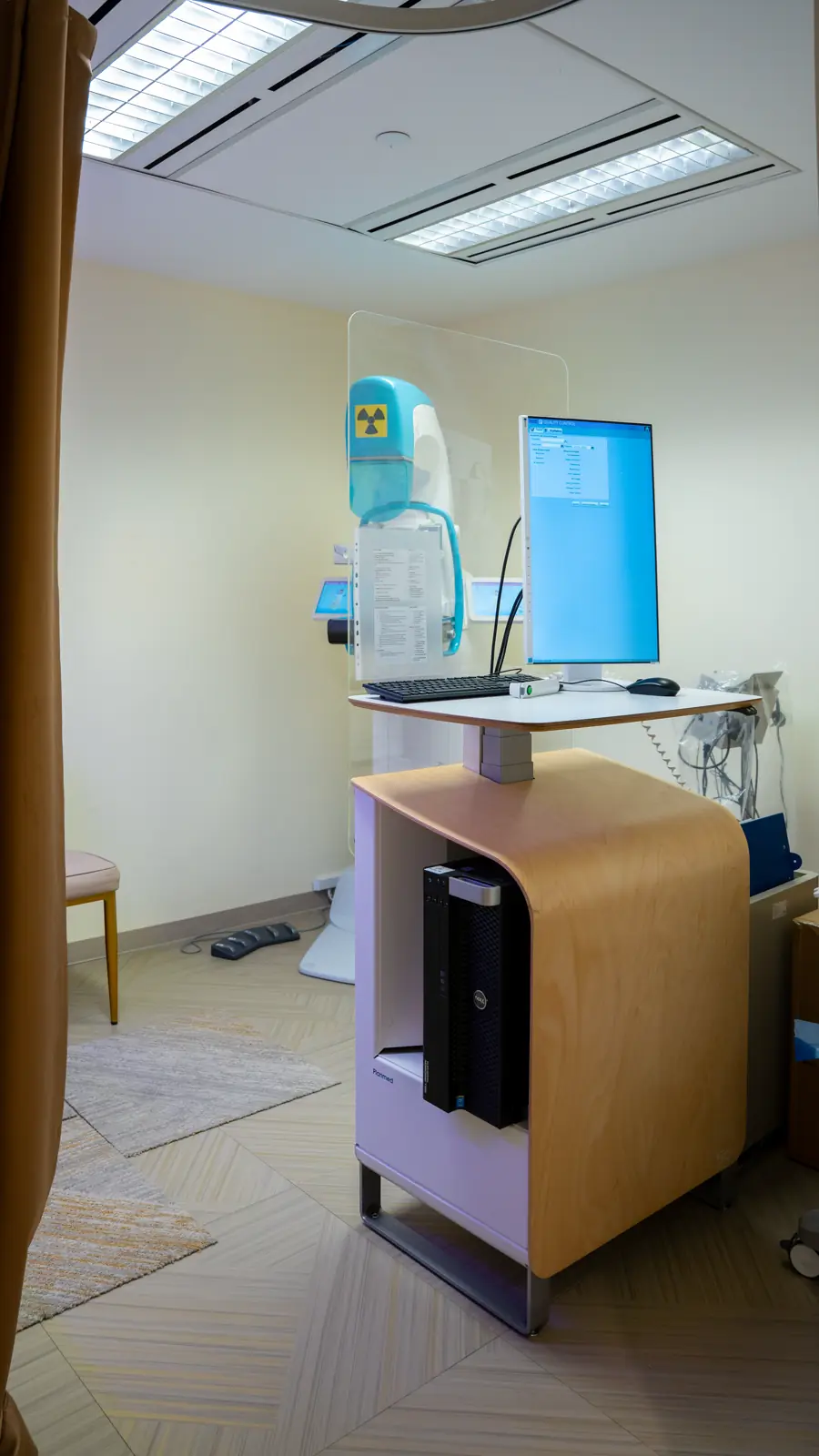
3D mammogram (tomosynthesis)
A 3D mammogram takes images from several angles and rebuilds them into thin slices, which can help when breast tissue is dense. It feels much like a 2D mammogram and can be done in the same sitting.
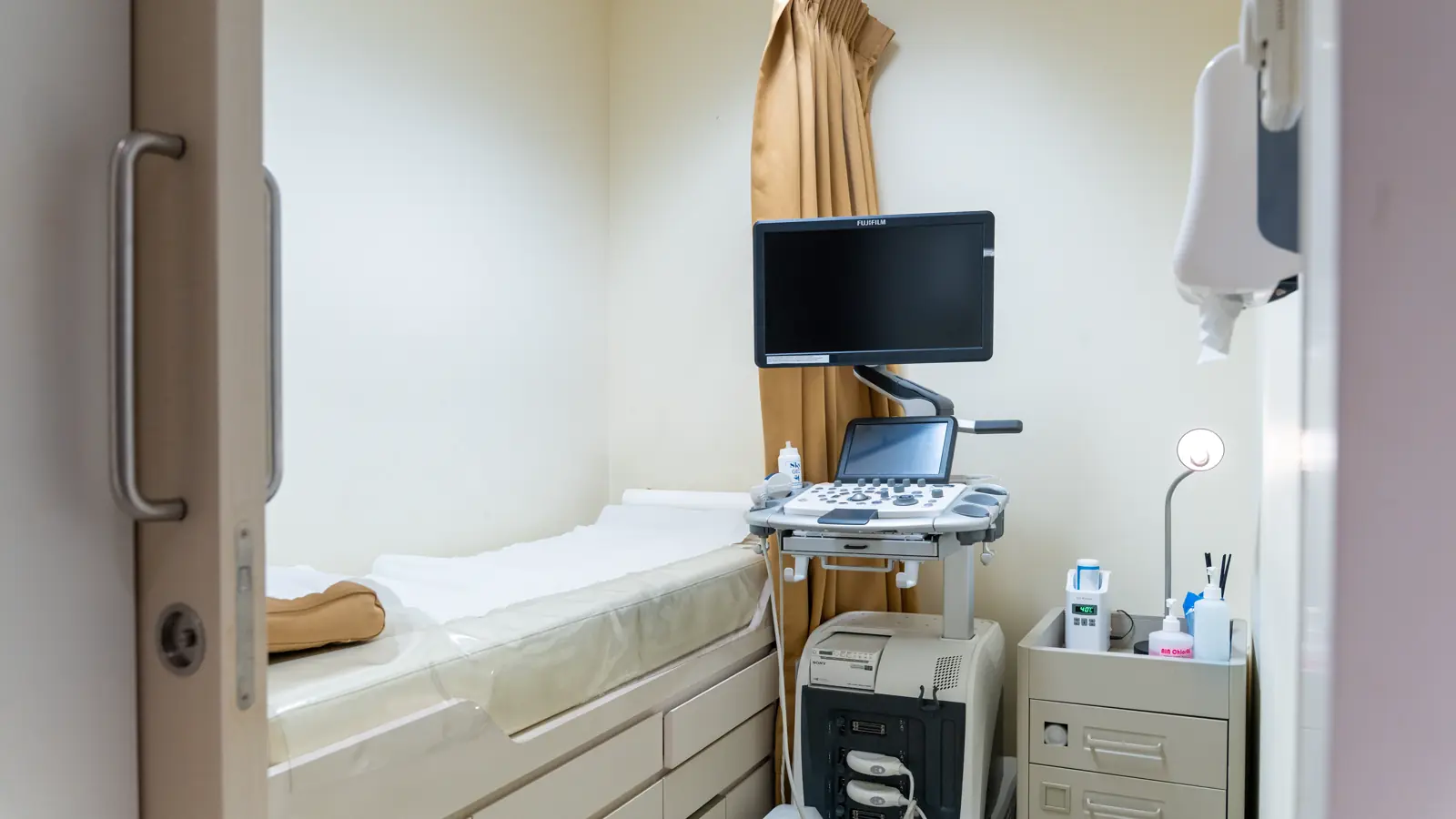
Breast ultrasound
A breast ultrasound uses sound waves, not X-rays. It checks a lump or an area seen on a mammogram and can tell a cyst from a solid lump. It does not replace a screening mammogram.
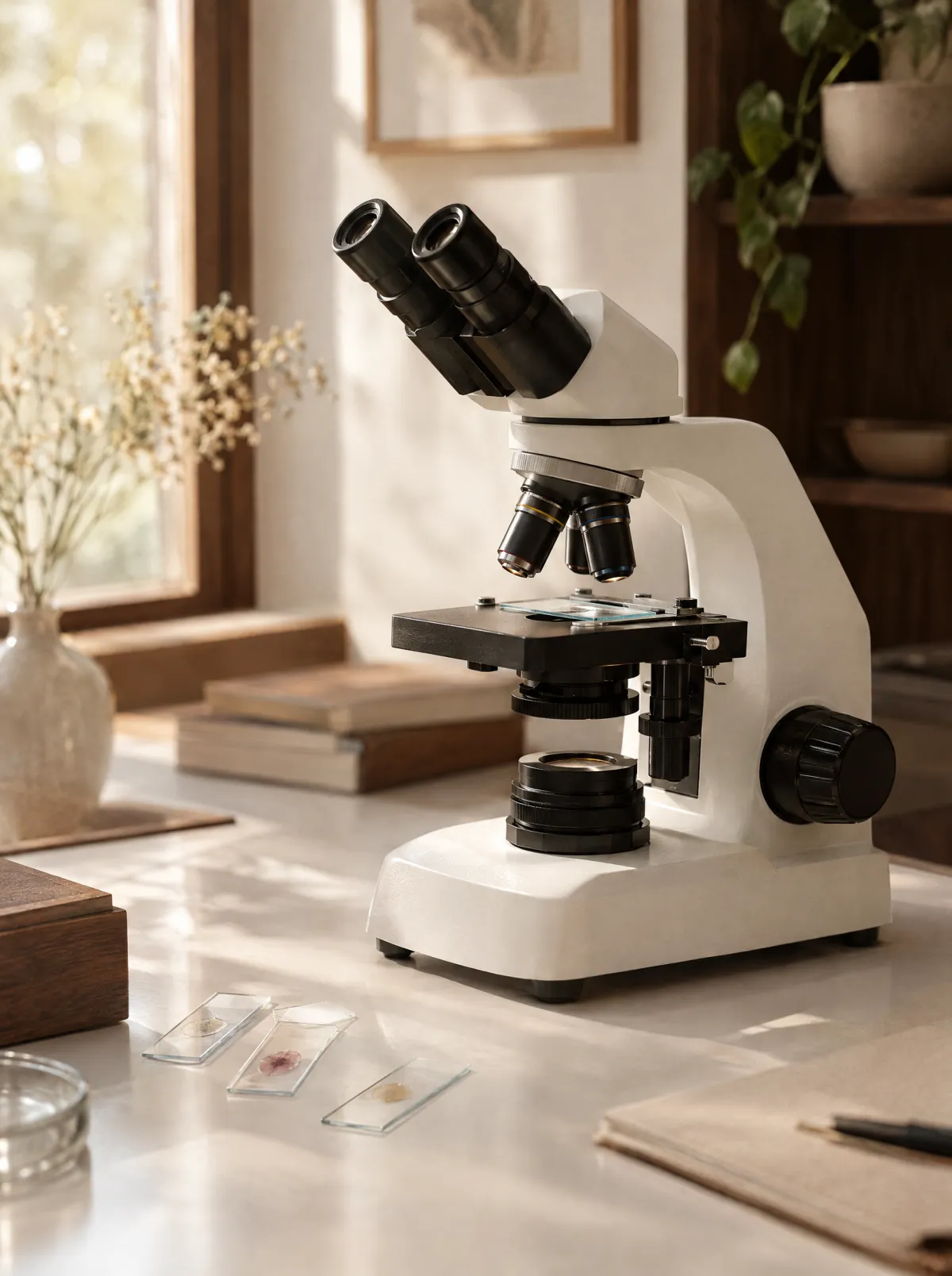
MRI or biopsy, only when needed
Breast MRI is used for selected women at high risk. A biopsy, a small tissue sample, is needed to confirm whether a suspicious area is cancer. If a result or your risk calls for either, your doctor arranges a referral.
Who it's for
Age is the starting point, but a family history, a previous finding or dense breasts can change when you start, how often you screen and which test you have. Screening is for women without symptoms; symptoms need a doctor first.
New lump, nipple discharge or skin change? See a doctor now; don't wait for screening.
Talk it through with a doctor first; if you screen, have a mammogram every year. Our Breast & Women's Health package is designed for women 40 and over.
A screening mammogram every two years, subsidised at Fusion Medical for eligible women under Healthier SG Screening. Singapore Citizens and PRs can use MediSave.
Ask for a personal plan: you may need to start earlier, screen more often or add other tests.
A 3D mammogram or an added ultrasound can help when dense tissue makes a mammogram harder to read.
Mammogram screening usually starts at 40, but know what is normal for your breasts and see a doctor about any change.
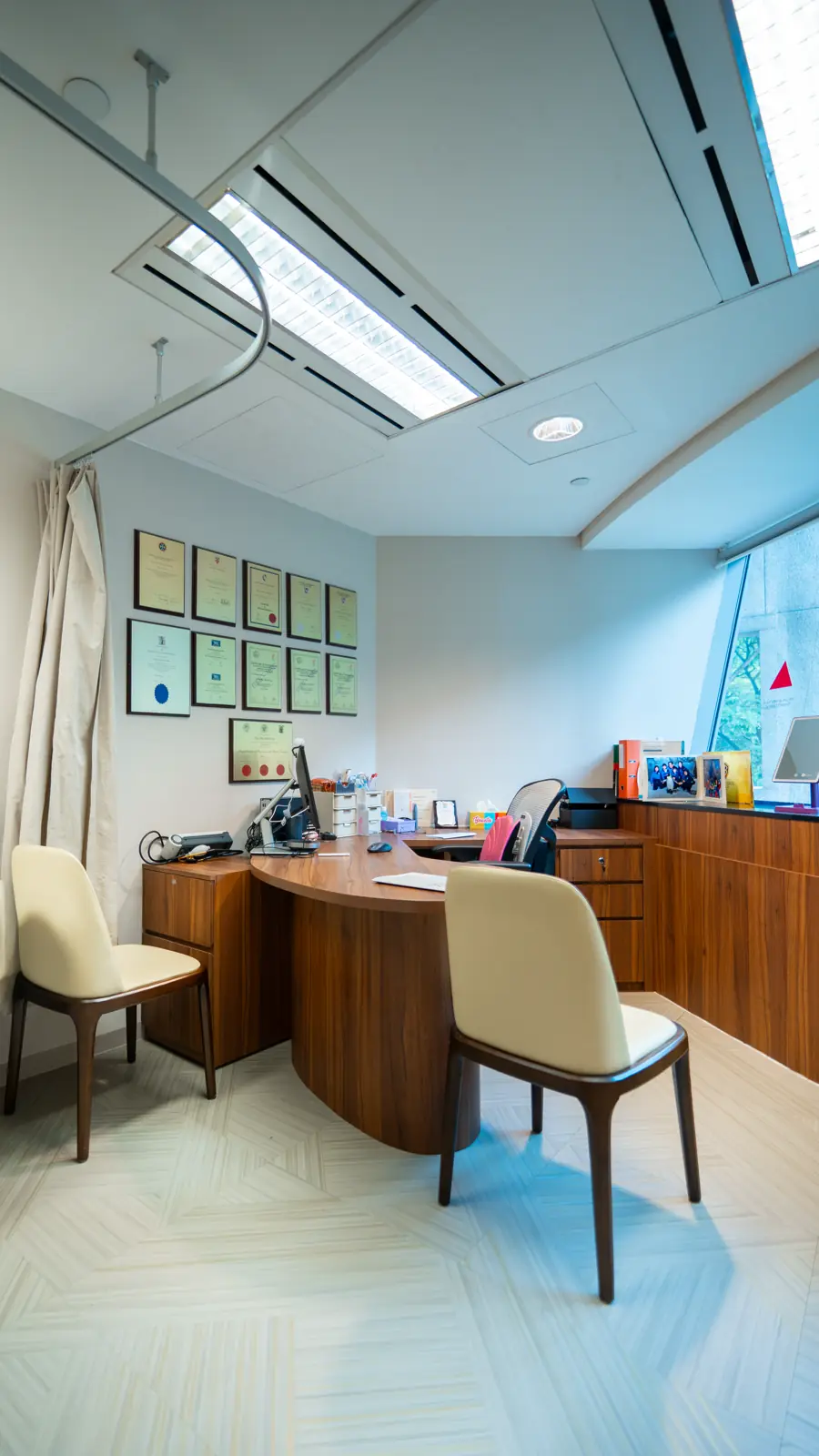

Your breast screening, step by step
Tell us your age, any breast symptoms, family history and previous results, so the right test is booked.
Book about a week after your period. On the day, skip deodorant and powder, and bring previous images and reports.
Your mammogram, in 2D or 3D, is done on site at Wheelock Place, with an ultrasound if your doctor advises one.
Your doctor explains the report and, if an area needs a closer look, arranges extra views, an ultrasound or a specialist referral.
Safety & expectations
Most recalls are not cancer, but every recall deserves a complete answer.
A normal screening result does not explain a new symptom, and an abnormal image is not a diagnosis on its own. Keep checking your breasts, and see a doctor about any change.
In Singapore, a screening mammogram is recommended every two years for women aged 50 to 69. Between 40 and 49, guidance from the National University Cancer Institute, Singapore (NCIS) is to discuss the benefits, limitations and harms of mammography with your doctor, and if you choose to screen, to have a mammogram every year. Women at higher risk, such as those with a strong family history, should ask their doctor for a personal screening plan.
The cost of breast cancer screening depends on which tests you need: a screening mammogram, 3D mammography, or extra views or an ultrasound if an area needs a closer look, plus any doctor's consultation. Fusion Medical is a site for subsidised screening mammograms under Healthier SG Screening for eligible women. Singapore Citizens and Permanent Residents aged 50 and above can also use MediSave for a screening mammogram, including a 3D mammogram, within CPF MediSave limits. The clinic confirms the fee before your test.
Usually not for routine screening. A breast ultrasound is mainly used to check a lump you can feel or an area seen on a mammogram, and to tell a fluid-filled cyst from a solid lump. It may be added to a mammogram in selected cases, such as dense breasts, but it can miss some small changes that a mammogram picks up.
Dense breast tissue can make a mammogram harder to read, because dense tissue and cancers both look white on the image. You cannot tell by touch: density shows only on a mammogram. Your doctor and radiologist can discuss whether a 3D mammogram or an ultrasound is useful for you, based on your overall risk. Read more about dense breasts.
No. A new lump or other breast change needs a doctor's assessment even if your routine screening is not due, or your last mammogram was normal. Many breast changes turn out to have causes other than cancer, but they should be checked promptly with an examination and the right diagnostic imaging.
No. Being called back means an area needs a closer look, often because of dense or overlapping tissue. Most recalls turn out not to be cancer, but it is important to complete the extra views, ultrasound or other tests your doctor recommends.
Yes, men can get breast cancer, but it is uncommon and there is no routine screening programme for men. It accounts for about 1% of all breast cancer diagnoses, and risk rises with age. Men with a strong family history of breast or ovarian cancer, or a known BRCA gene change, should ask a doctor about genetic counselling and regular breast checks. Any lump, nipple change or armpit swelling should be checked promptly.
Bring previous mammograms, ultrasound or biopsy reports if you have them, and tell us about any breast symptoms, implants, previous breast surgery, pregnancy or breastfeeding. Note any family history of breast, ovarian, pancreatic or prostate cancer and the age at diagnosis, as this can change your screening plan.
Our doctors
Appointments
Book a consultation and our doctors will help you choose the right test for your age, breast density and family history.