What Is Pre-Diabetes?
Pre-diabetes is the intermediate stage between healthy blood sugar levels and type 2 diabetes. Clinically, it covers two overlapping conditions:
- Impaired Fasting Glucose (IFG): Fasting blood sugar levels are elevated above normal.
- Impaired Glucose Tolerance (IGT): Blood sugar remains abnormally high after consuming a sugar/glucose drink.
Both indicate that your body is beginning to struggle with processing sugar effectively. Crucially, pre-diabetes is usually “silent”—most individuals feel completely fine, which is why routine screening is essential for early detection.
How Common Is Pre-Diabetes in Singapore?
Pre-diabetes is one of Singapore’s most significant preventive health priorities and sits at the heart of the national War on Diabetes initiated by the Ministry of Health (MOH):
- 430,000 Adults Affected: Approximately 14% of Singaporeans aged 18–69 have pre-diabetes (MOH / HPB).
- 1 in 3 Progression Rate: Without intervention, at least 1 in 3 people with pre-diabetes develop type 2 diabetes within 8 years.
- High Lifetime Risk: 1 in 3 Singaporeans faces a lifetime risk of developing diabetes overall.
Early Warning Signs & Risk Factors
While most people have no symptoms, some subtle signs can appear in certain cases:
- Increased thirst and more frequent urination
- Unexplained fatigue or low energy
- Blurred vision
- Slow-healing cuts or wounds
- Darkened, velvety patches of skin (acanthosis nigricans), typically on the neck or armpits
Because symptoms are rare, doctors rely on risk factors to identify who should undergo blood tests. You are at higher risk if you:
- Are 40 years or older
- Have a family history of diabetes
- Are overweight, particularly around the abdomen
- Lead a physically inactive lifestyle
- Have high blood pressure or high cholesterol
- Had gestational diabetes during pregnancy
- Are of Indian or Malay ethnicity (associated with higher statistical prevalence in Singapore)
How Screening Detects Pre-Diabetes
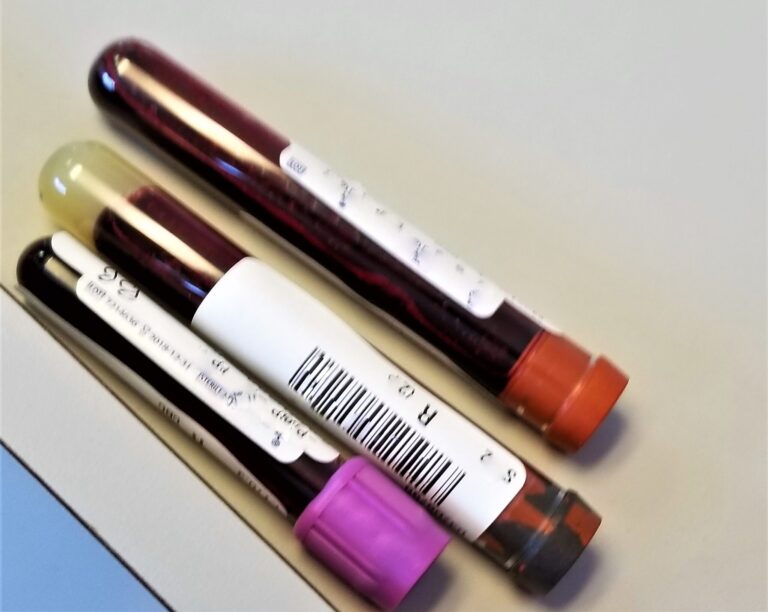
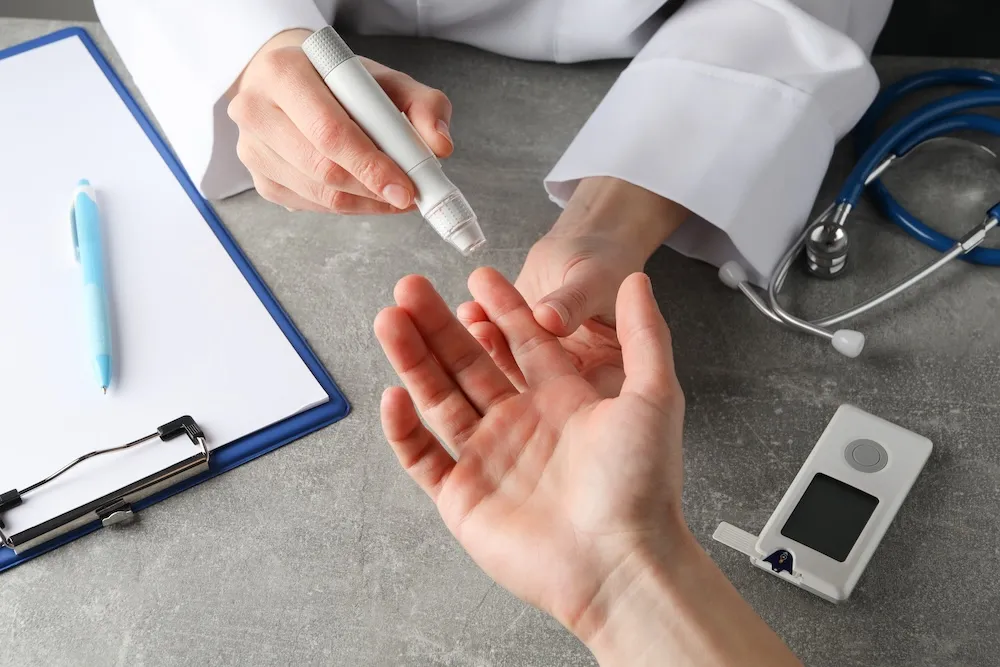
Pre-diabetes is identified through simple blood tests. In Singapore, screening typically starts with a fasting blood glucose test, sometimes followed by an oral glucose tolerance test (OGTT) or an HbA1c test for confirmation.
| Test Type | Normal | Pre-Diabetes | Diabetes |
|---|---|---|---|
| Fasting Plasma Glucose (FPG) | Below 6.1 mmol/L | 6.1–6.9 mmol/L | 7.0 mmol/L or above |
| 2-Hour OGTT | Below 7.8 mmol/L | 7.8–11.0 mmol/L | 11.1 mmol/L or above |
| HbA1c (3-Month Average) | — | ~6.1–6.9% | 6.5% or above |
*Note: Singapore clinical guidelines traditionally favour fasting glucose and OGTT for formal diagnosis, with HbA1c used as a supporting measure. Results should always be evaluated by a medical professional.
Screening Frequency: National guidelines recommend screening starting from age 40 (or earlier if risk factors are present). Repeat testing every three years if results are normal, and annually if pre-diabetes is detected.
Can Pre-Diabetes Be Reversed?
Yes. Pre-diabetes reflects current metabolic dysfunction rather than permanent damage. Structured lifestyle changes can return blood sugar levels to normal limits:
- Modest Weight Loss: Losing 5–10% of body weight significantly improves insulin sensitivity.
- Regular Exercise: Aim for at least 150 minutes of moderate-intensity aerobic activity per week.
- Dietary Adjustments: Reduce refined carbohydrates and sugary beverages (use Nutri-Grade labels to guide choices).
- Structured Support: Consider programs like the Health Promotion Board’s 12-week Diabetes Prevention Programme.
When Should You Get Screened in Singapore?
If you are 40 or older—or younger with existing risk factors—speak to a doctor about a blood sugar test. Eligible Singapore Citizens and Permanent Residents can access subsidised health screening via the Screen for Life program.
A blood glucose test is standard in overall health evaluations. Explore Fusion Medical’s comprehensive health screening packages or review options for women’s health screening if you have a history of gestational diabetes.
Frequently asked questions
Is pre-diabetes the same as diabetes?
No. Pre-diabetes means blood sugar is above normal but below the diagnostic threshold for diabetes. Unlike established diabetes, pre-diabetes can often be completely reversed with lifestyle modifications.
Does pre-diabetes have noticeable symptoms?
Usually not. Most people feel completely fine, which is why pre-diabetes is almost always discovered through routine blood testing rather than symptoms.
What blood test detects pre-diabetes?
A fasting blood glucose test is the primary baseline test, often accompanied by an oral glucose tolerance test (OGTT) or HbA1c screening.
What glucose level counts as pre-diabetes in Singapore?
A fasting blood glucose of 6.1–6.9 mmol/L or a 2-hour OGTT result of 7.8–11.0 mmol/L indicates pre-diabetes. Your doctor will evaluate your specific results in clinical context.
Can pre-diabetes be reversed?
Yes, in many cases. Modest weight loss, physical activity, and dietary adjustments can return blood sugar levels to normal limits or significantly delay progression to type 2 diabetes.
How often should I get screened?
Screening is generally advised every 3 years from age 40 if your results are normal, or annually if pre-diabetes is detected.
Disclaimer: This article is for general educational information and does not constitute medical advice. Please consult a doctor regarding your specific screening and health needs.
This guide provides general information and is not a diagnosis or substitute for personalised medical advice.