Fusion Medical
clinic singapore
+65 6235 1512
Have Any Questions?
Mon-Fri : 8:30am – 5:30pm┃Sat : 8:30am – 1:00pm
wheelock@fusionmedical.com.sg
501 Orchard Rd #04-11, Singapore 238880
Fusion Medical
clinic singapore
+65 6235 1512
Have Any Questions?
Fusion Medical
clinic singapore
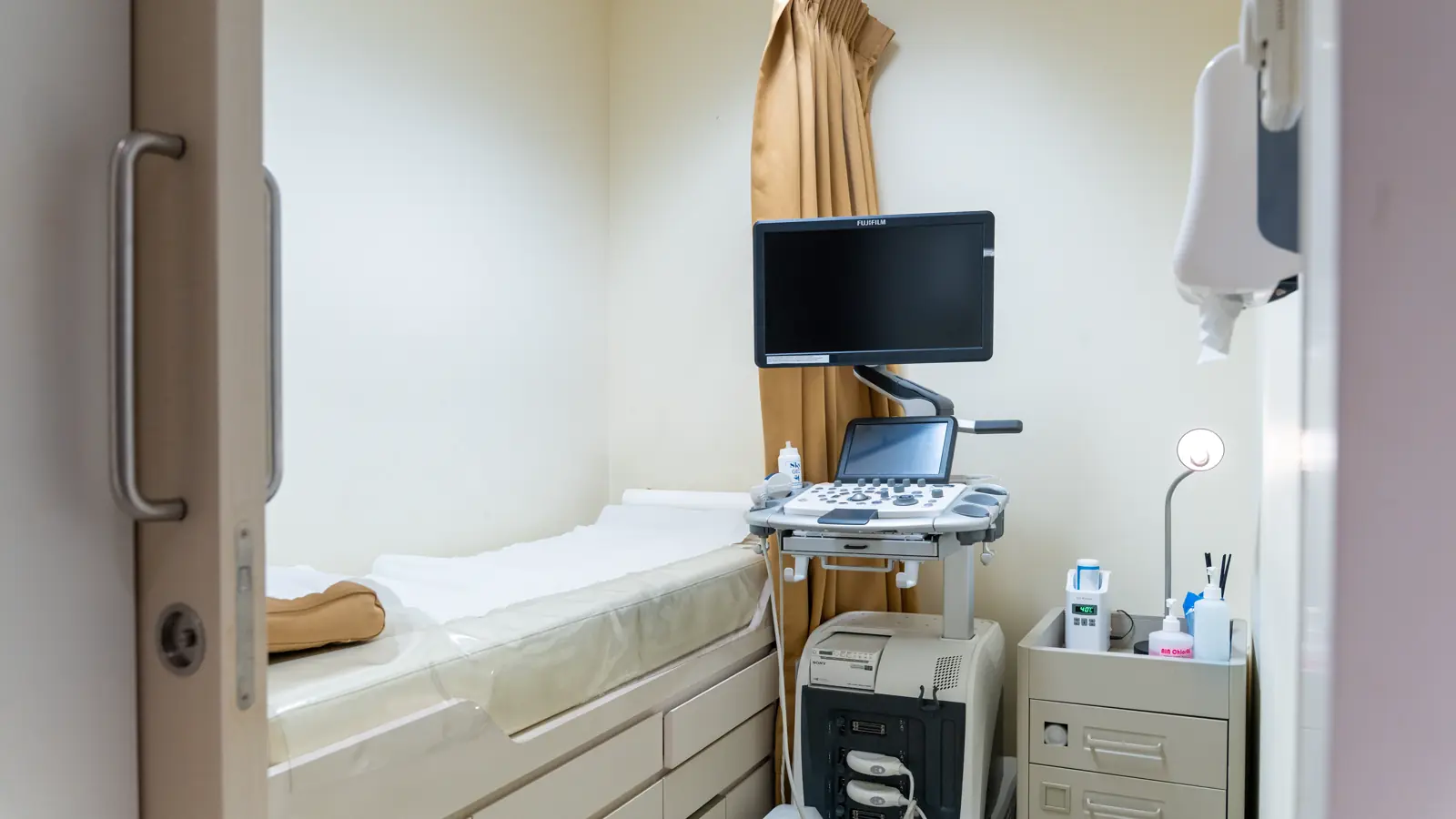
Ultrasound room with the echocardiogram machine and couch at Fusion Medical, Wheelock Place

Stress echocardiogram · Singapore

Echocardiogram: an ultrasound view of how your heart pumps.

An echocardiogram uses sound waves to show the heart's chambers, valves and pumping action. We offer the stress echocardiogram at Wheelock Place; availability varies, so please ask when you book.

What is an echocardiogram?

An ultrasound of your heart that shows it pumping in real time.

An echocardiogram, or 'echo', is an ultrasound scan of the heart. A probe on the chest sends sound waves that bounce off the heart, creating moving images of its chambers, walls and valves. It shows how well the heart pumps and how the valves open and close, without radiation.

At Fusion Medical we offer the stress echocardiogram, alongside resting and treadmill ECGs, X-ray and ultrasound on site. Both Fusion Opal packages include one, subject to availability. We don't offer a resting echocardiogram; if you need one, your doctor can refer you.

An ECG records the heart's electrical activity; an echocardiogram shows its structure and movement. The two answer different questions, so your doctor may use them together. An echo does not show the coronary arteries themselves; a stress echo looks for their effect on the heart muscle during exercise.

  • No radiation — an ultrasound scan of the heart
  • Structure and function — chambers, walls, valves and pumping action
  • Rest, then exercise — images before and straight after the treadmill
  • Doctor review — findings explained with your other heart tests
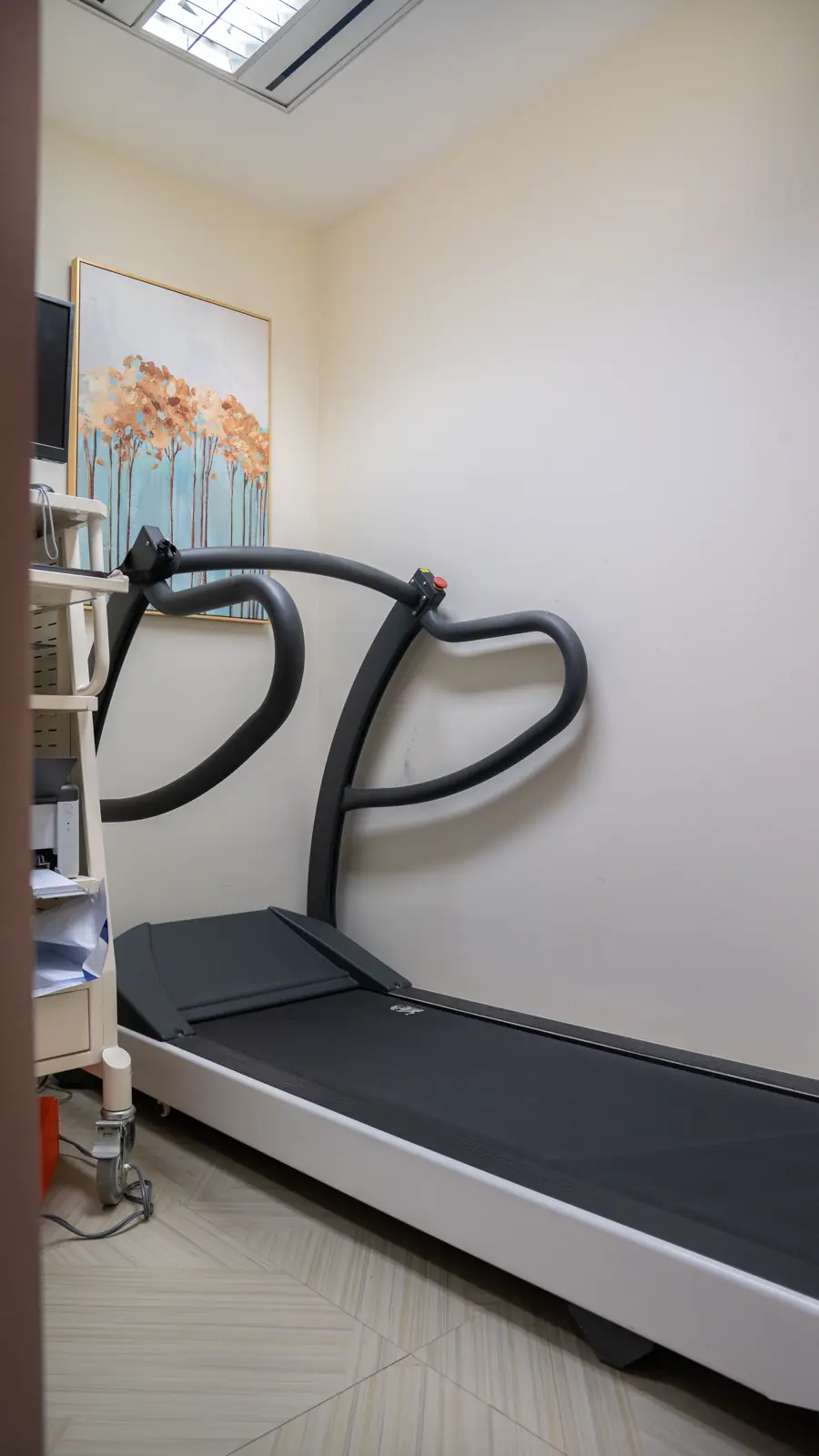
Treadmill for exercise stress testing at Fusion Medical
The treadmill used for exercise stress tests at the clinic.

What it looks at

What does an echocardiogram show?

An echo shows the size of the heart's chambers, the thickness and movement of the heart walls, how the valves open and close, and how strongly the heart pumps. Doppler ultrasound adds the direction and speed of blood flow, which helps to show leaking or narrowed valves.

See the steps

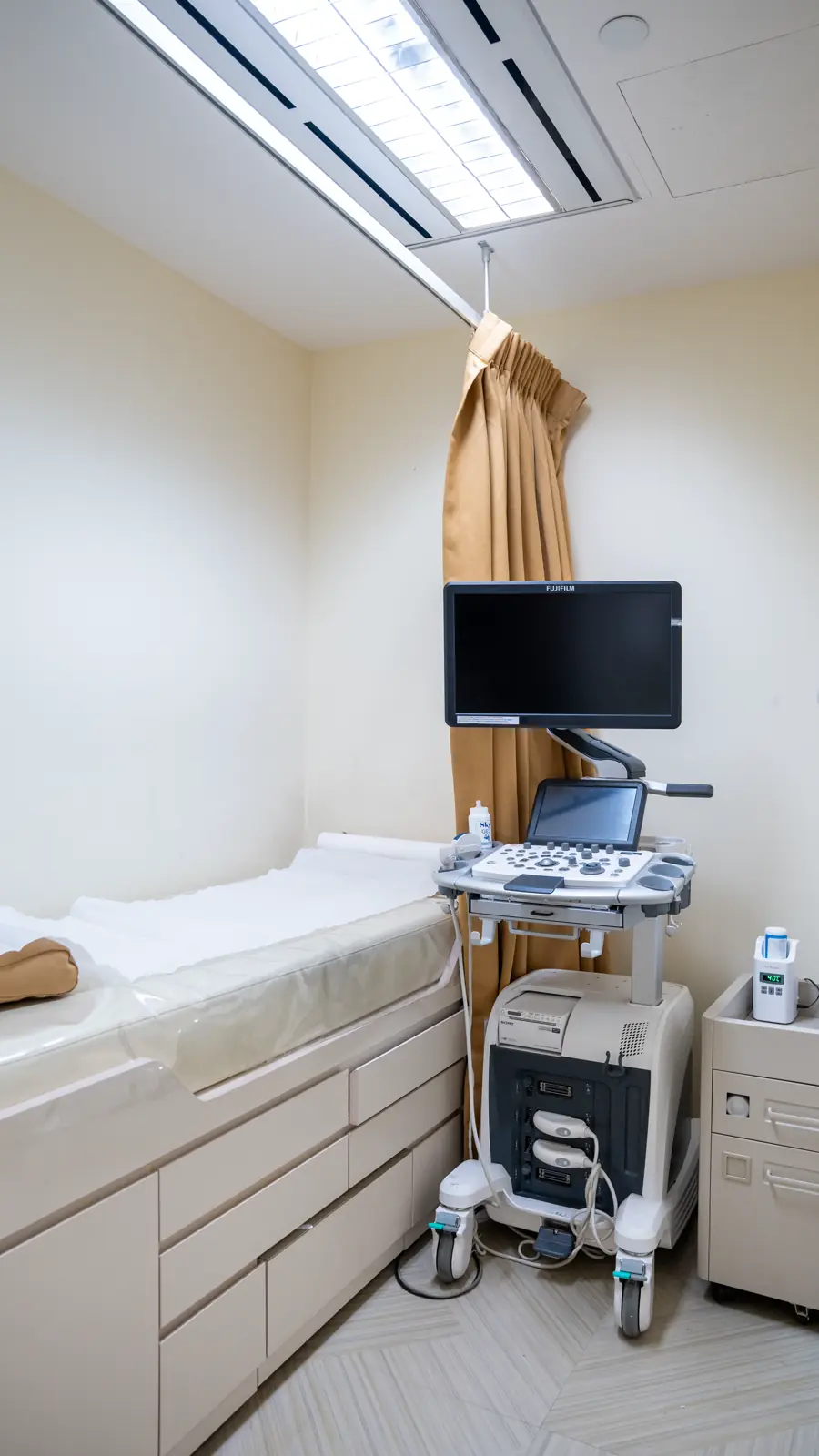
Ultrasound machine beside the examination couch at Fusion Medical

What the images show

A stress echo starts with images at rest. You lie on your left side while a probe is moved over gel on your chest, and images of the chambers, walls and valves are taken from several positions. They can show:

  • Leaking or narrowed heart valves
  • Weakened or thickened heart muscle
  • An enlarged heart
  • Fluid around the heart

Treadmill for exercise stress testing at Fusion Medical

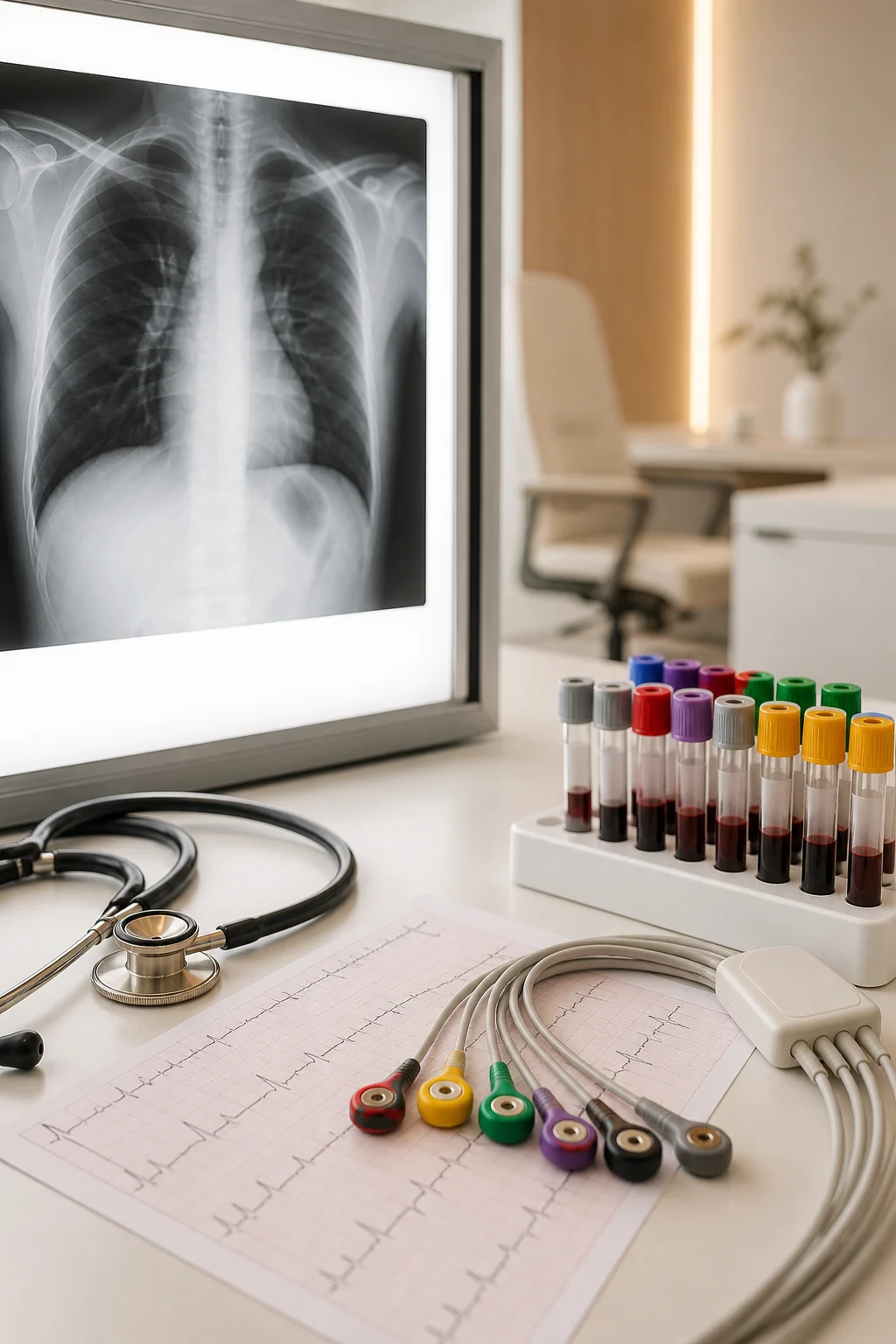
ECG tracing and electrode leads beside a chest X-ray image and blood sample tubes
Echocardiogram at a glance
Question What to expect thenGood to know
Preparation Have only a light meal beforehand. Wear a two-piece outfit, as you undress to the waist and wear a gown. Bring exercise clothes and walking shoes for the treadmill.
Medicines Tell us about all your medicines, especially heart and blood pressure medicines such as beta-blockers. Follow your doctor's advice about them before a stress echo; don't stop any medicine on your own.
How long it takes A stress echo usually takes about 1 to 2 hours, excluding waiting time. Allow extra time if the echo is part of a screening package.
Comfort Not usually painful. The probe may press firmly for clear images, and stickers may be placed on your chest to track your heart rhythm. Tell the team if lying on your left side is uncomfortable.
Results The images are reported, and your doctor explains the findings and whether any follow-up is needed. Some findings need a cardiologist's opinion.
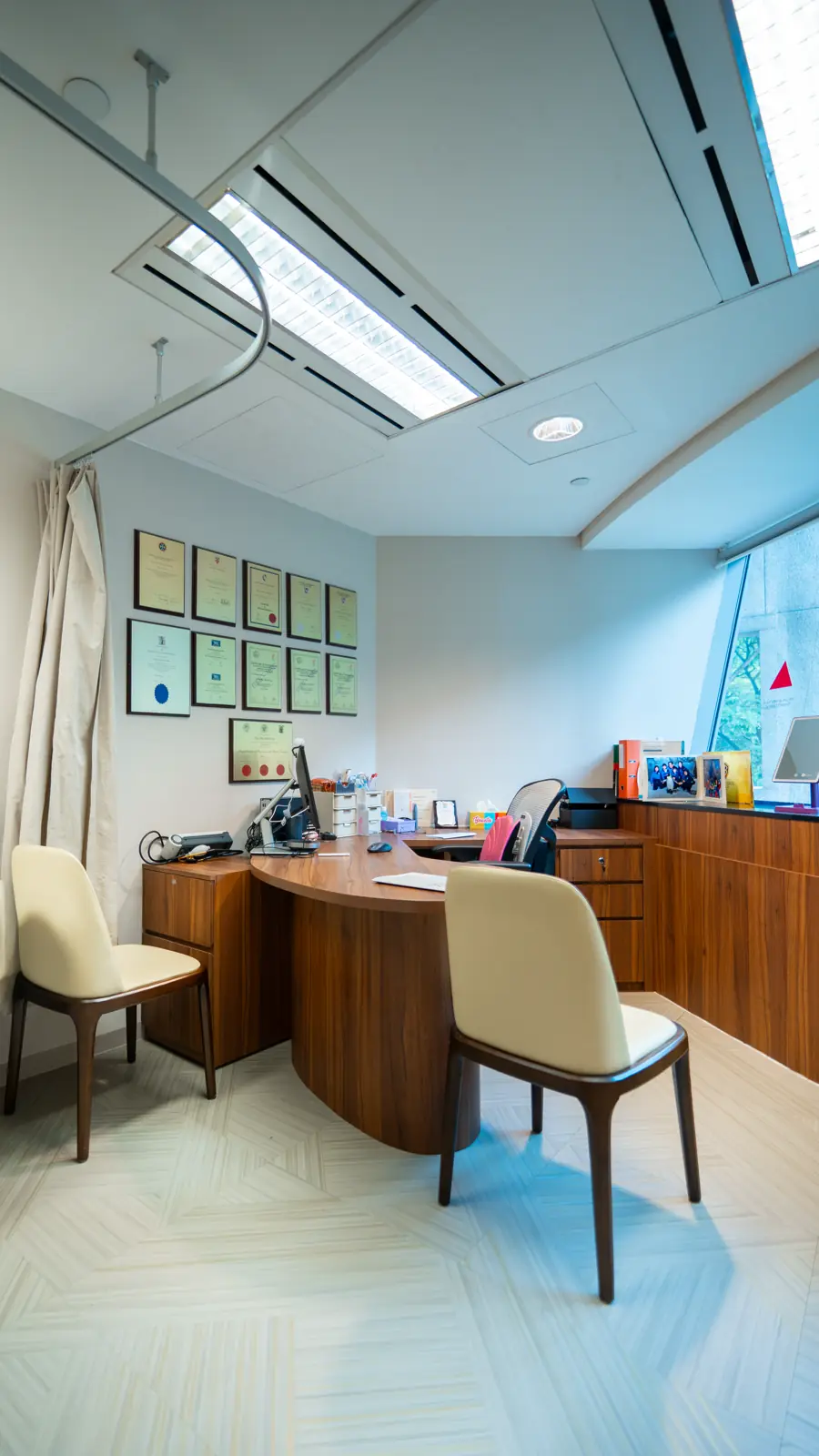
Doctor's consultation room at Fusion Medical, Wheelock Place
Treadmill for exercise stress testing at Fusion Medical

Your echo, step by step

Book. Prepare. Scan. Review with the doctor.

  1. Book

    Book a screening consultation and ask about a stress echocardiogram. Availability varies, so our team confirms when one is available and how to prepare.

  2. Prepare

    Wear a two-piece outfit, bring exercise clothes and shoes, and follow your doctor's advice about your medicines.

  3. Scan

    You lie on your left side while images are taken at rest. You then walk on the treadmill, and the images are repeated straight afterwards.

  4. Review with the doctor

    The echo is reported, and your doctor explains it with your ECG and other results, and arranges a specialist referral if needed.

Safety & expectations

An echocardiogram shows how your heart is built and how it moves. It is one part of a heart assessment, read together with your ECG and symptoms.

Tell us about your medicines, any heart condition and previous heart tests, and bring earlier reports. If you have chest pain, fainting or severe breathlessness, seek urgent care rather than waiting for a scheduled test.

Echocardiogram: frequently asked questions

Where can I get an echocardiogram in Singapore?

Fusion Medical offers the stress echocardiogram at Wheelock Place, 501 Orchard Road. It is part of both Fusion Opal health screening packages. Availability varies, so please ask when you book. We don't offer a resting echocardiogram; if you need one, our doctors can refer you and advise how it fits with your other heart tests.

What is the difference between an ECG and an echocardiogram?

An ECG records the heart's electrical activity, while an echocardiogram is an ultrasound scan that shows the heart's structure and how it pumps. An ECG uses stickers on the chest and takes a few minutes. An echo shows the chambers, walls and valves, how they move and how strongly the heart pumps. They answer different questions, so doctors often use both.

What is a stress echocardiogram?

A stress echocardiogram compares ultrasound images of the heart at rest with images taken straight after exercise on a treadmill. When the heart works harder, areas with reduced blood supply may not move as well, which can point to narrowed coronary arteries. It is included in both Fusion Opal packages; availability varies, so please ask when you book.

How do I prepare for an echocardiogram?

For a stress echo, have only a light meal beforehand, bring exercise clothes and walking shoes, and wear a two-piece outfit, as you will undress to the waist. Tell us about any heart or blood pressure medicines, such as beta-blockers, and follow your doctor's advice about them; don't stop any medicine on your own.

Does an echocardiogram hurt?

An echocardiogram is not usually painful. Gel is applied to your chest and a probe is moved over it, sometimes pressing firmly to get clear pictures, and small stickers may be placed on your chest to track your heart rhythm. A stress echo involves exercising on a treadmill, which is stopped if you feel unwell.

How long does an echocardiogram take?

A stress echocardiogram usually takes about 1 to 2 hours, excluding waiting time, according to the National Heart Centre Singapore, because images are taken at rest and again straight after exercise. If the echo is part of a screening package, set aside more time for the whole visit, which also includes blood tests and your consultation.

What can an echocardiogram detect?

An echocardiogram can show problems with the heart valves, such as leaking or narrowing, weakened or thickened heart muscle, an enlarged heart, fluid around the heart and some heart conditions present from birth. It does not show the coronary arteries directly; a stress echo looks for their effect on the heart muscle during exercise.

Is an echocardiogram safe?

The echo scan itself uses ultrasound rather than X-rays, so it involves no radiation and has no known harmful effects. A stress echo adds exercise on a treadmill, which carries a small risk for people with heart disease, so you are monitored throughout and the test stops if you feel unwell. Tell us about any heart symptoms or conditions before the test.

Appointments

Ask us about a stress echocardiogram.

Book a screening consultation at Wheelock Place. Our doctors will advise whether a stress echo, ECG or treadmill test suits you, and our team confirms when a stress echo is available.

501 Orchard Road, #04-11 Wheelock Place, Singapore 238880 · Mon–Fri 8:30am–5:30pm · Sat 8:30am–1pm