

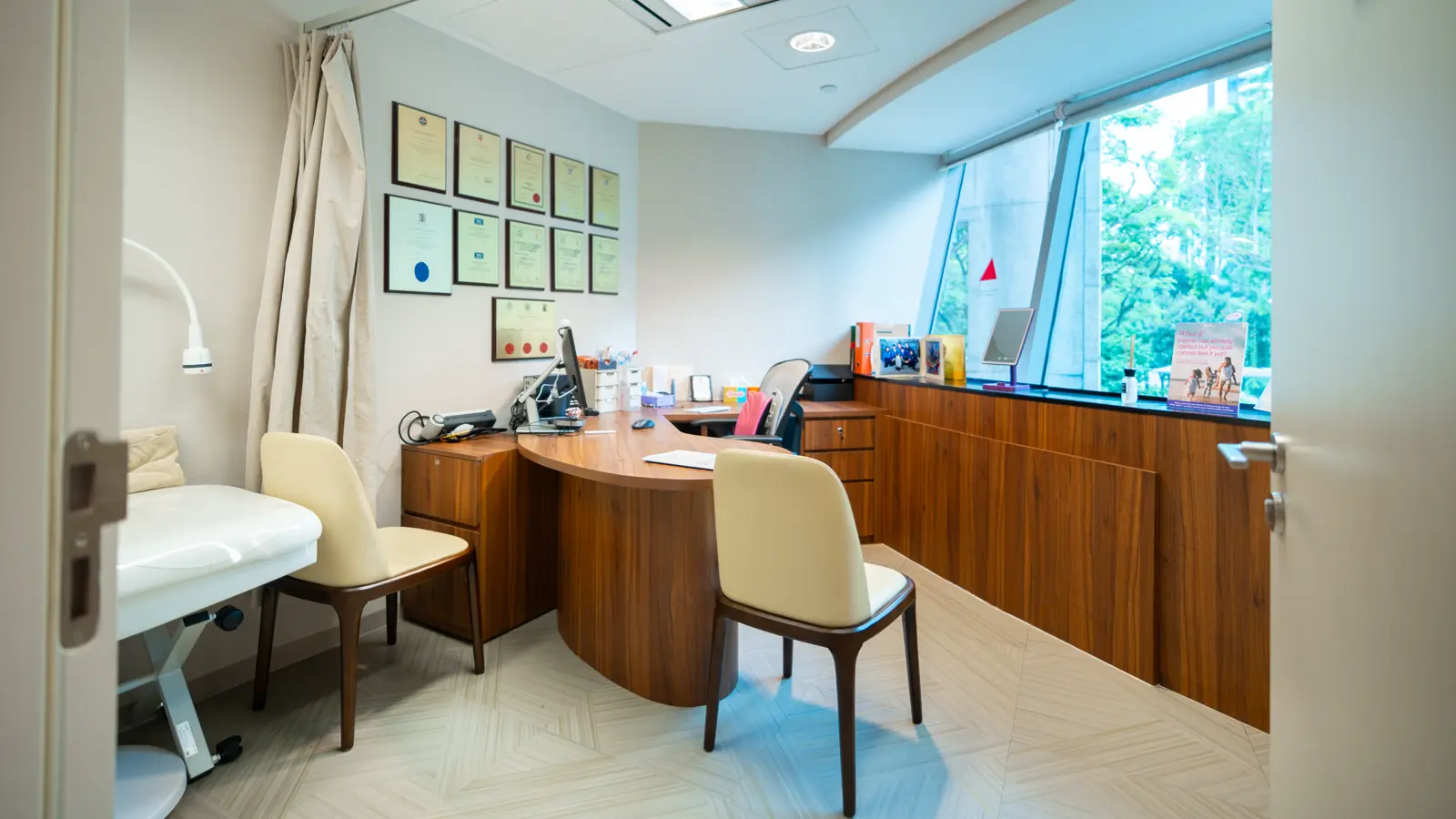
Talk it through with the doctor
The doctor explains what the AMD covers, when it applies and what care continues. They check your understanding and your mental state, and that no one is pressuring you.




Advance Medical Directive · Singapore
An AMD tells doctors that, if you become terminally ill and unconscious, you do not want extraordinary life-sustaining treatment. Our doctors explain it, check that it is your own choice and sign as your witness.
A decision you sign in advance about life-sustaining treatment if you become terminally ill.
An Advance Medical Directive (AMD) is a legal document you sign in advance. It tells the doctor treating you that, if you become terminally ill and unconscious, you do not want extraordinary life-sustaining treatment used to prolong your life. It does not stop palliative care, which includes relief of pain and discomfort and reasonable food and water.
Making an AMD is voluntary. Anyone aged 21 or above who is not mentally disordered can make one, signed in front of two witnesses, one of whom must be a doctor. Our doctors explain what the AMD means, confirm that it is your own decision and sign as your witness.

How it works
Your doctor explains what the AMD means and confirms that the decision is yours. You sign the current MOH form (Form 1) in front of two eligible witnesses at the same sitting; one must be the doctor. The form then goes, sealed, to the Registrar of Advance Medical Directives, and the AMD is valid only once registered.
Talk it through with the doctor
The doctor explains what the AMD covers, when it applies and what care continues. They check your understanding and your mental state, and that no one is pressuring you.

Sign with two witnesses
You, the doctor and a second witness sign the form together, at the same sitting. The second witness must be 21 or older and can be the doctor's nurse or another suitable person.

Send it to the Registrar
The completed form goes in a sealed envelope, by mail or by hand, to the Registrar of Advance Medical Directives at MOH. Your AMD is valid only once registered, and the Registrar sends you an acknowledgement.
Is it for me?
An AMD applies only in a narrow situation set out in the law: terminal illness, unconsciousness and extraordinary life-sustaining treatment. Other documents cover broader wishes and decisions.
An AMD is not a general refusal of treatment.
An AMD covers extraordinary life-sustaining treatment if you are terminally ill and unconscious.
A Lasting Power of Attorney appoints people to make decisions if you lose mental capacity.
An Advance Care Plan records your values, care goals and healthcare preferences.
You can revoke an AMD at any time, in front of at least one witness.
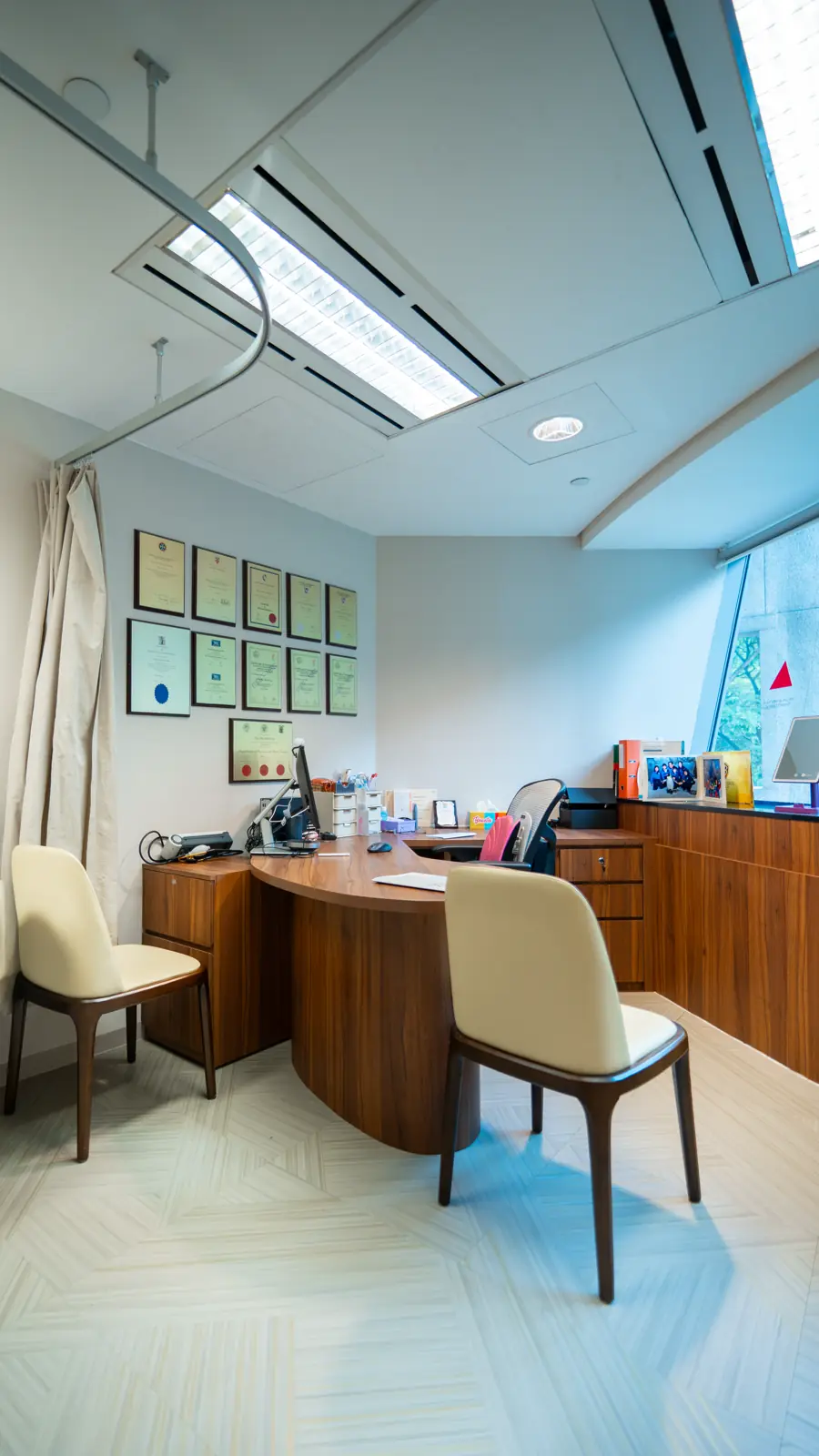

Your AMD appointment
The doctor explains the medical meaning of the AMD and answers your questions.
The doctor checks your understanding, your mental state and that the choice is your own.
You and both witnesses sign the form at the same sitting. Don't sign before both witnesses are present.
The form is sealed and sent to the Registrar. Keep the acknowledgement you receive once it is registered.
Good to know
An AMD covers one narrow situation. Comfort care continues either way.
Read MOH's information on the AMD before you sign, and bring your questions about palliative care, treatment and changing your mind. The AMD register is confidential, and doctors can check it only through the legal process when it becomes relevant.
An AMD tells the doctor treating you that, if you are terminally ill and unconscious, you do not want extraordinary life-sustaining treatment used only to prolong the process of dying. It applies only in that situation, as set out in the law. It is not a general refusal of treatment, and it does not stop palliative care.
No. An AMD does not remove palliative care or reasonable medical measures to relieve pain, suffering or discomfort, and it does not remove reasonable food and water. Doctors continue to provide palliative care.
Anyone aged 21 or above who is not mentally disordered, and who understands the nature and implications of the decision, can make an AMD voluntarily. It is entirely your own choice, and the doctor checks that no one is pressuring you into it.
Two witnesses must be present together when you sign, and both sign the form. One must be the doctor; the second must be 21 or older and can be the doctor's nurse or another suitable person. Neither can be an immediate family member (parent, child, spouse or sibling), a beneficiary of your will or insurance, or someone entitled to your CPF money on your death. The full rules are on the MOH website.
Your AMD is valid only once it is registered with the Registrar of Advance Medical Directives. The signed form is sent in a sealed envelope, by mail or by hand, and the Registrar sends you an acknowledgement when it is registered. Keep the acknowledgement with your important papers.
Yes. You can revoke an AMD at any time in the presence of at least one witness, in writing, orally or in any other way you can communicate. The revocation is then sent to the Registrar, and you should keep the acknowledgement.
The MOH form is free. You may pay for the doctor's consultation, in which the doctor explains the AMD and acts as your witness. Our team can tell you the fee when you book.
Our doctors

Appointments
Book a consultation at Wheelock Place. Bring your NRIC, and ask us about the form and your second witness when you book.