Fusion Medical
clinic singapore
+65 6235 1512
Have Any Questions?
Mon-Fri : 8:30am – 5:30pm┃Sat : 8:30am – 1:00pm
wheelock@fusionmedical.com.sg
501 Orchard Rd #04-11, Singapore 238880
Fusion Medical
clinic singapore
+65 6235 1512
Have Any Questions?
Fusion Medical
clinic singapore
A man in his fifties reading the leaflet of a small sample-collection kit at a sunlit dining table at home

Colorectal screening · Singapore

Colorectal cancer screening: stool test or colonoscopy?

For adults at average risk, screening usually starts at 50 with a stool test done at home. A positive result needs a colonoscopy; symptoms or a strong family history may call for a different route.

What is colorectal cancer screening?

Choose your route, then finish the pathway if a result is positive.

Colorectal cancer screening checks adults without symptoms for early signs of bowel cancer and for polyps, some of which can turn into cancer. For many people at average risk, it starts at 50 with a faecal immunochemical test (FIT), a stool test done at home that looks for hidden blood. A positive FIT is not a cancer diagnosis, but it needs a colonoscopy to find the source.

Colonoscopy looks directly at the lining of the colon and rectum, and selected polyps can be removed or sampled during the same procedure. It is the next step after a positive FIT, and may be advised instead of FIT if you have a strong family history, previous polyps or colorectal cancer, or inflammatory bowel disease. Symptoms such as bleeding or a lasting change in bowel habit need a doctor's assessment rather than screening.

At Fusion Medical, most of our health screening packages include a stool test for hidden blood, and our doctors advise whether a FIT or a colonoscopy suits you. Eligible residents can also have a subsidised FIT kit here under Healthier SG Screening. Singapore Citizens and Permanent Residents aged 50 and above can use MediSave for a screening colonoscopy, within CPF MediSave limits.

  • FIT at home — a stool test for hidden blood
  • Colonoscopy — a direct look that can remove polyps
  • Risk-led — age, symptoms, family history and past polyps
  • MediSave from 50 — screening colonoscopy, for Citizens and PRs
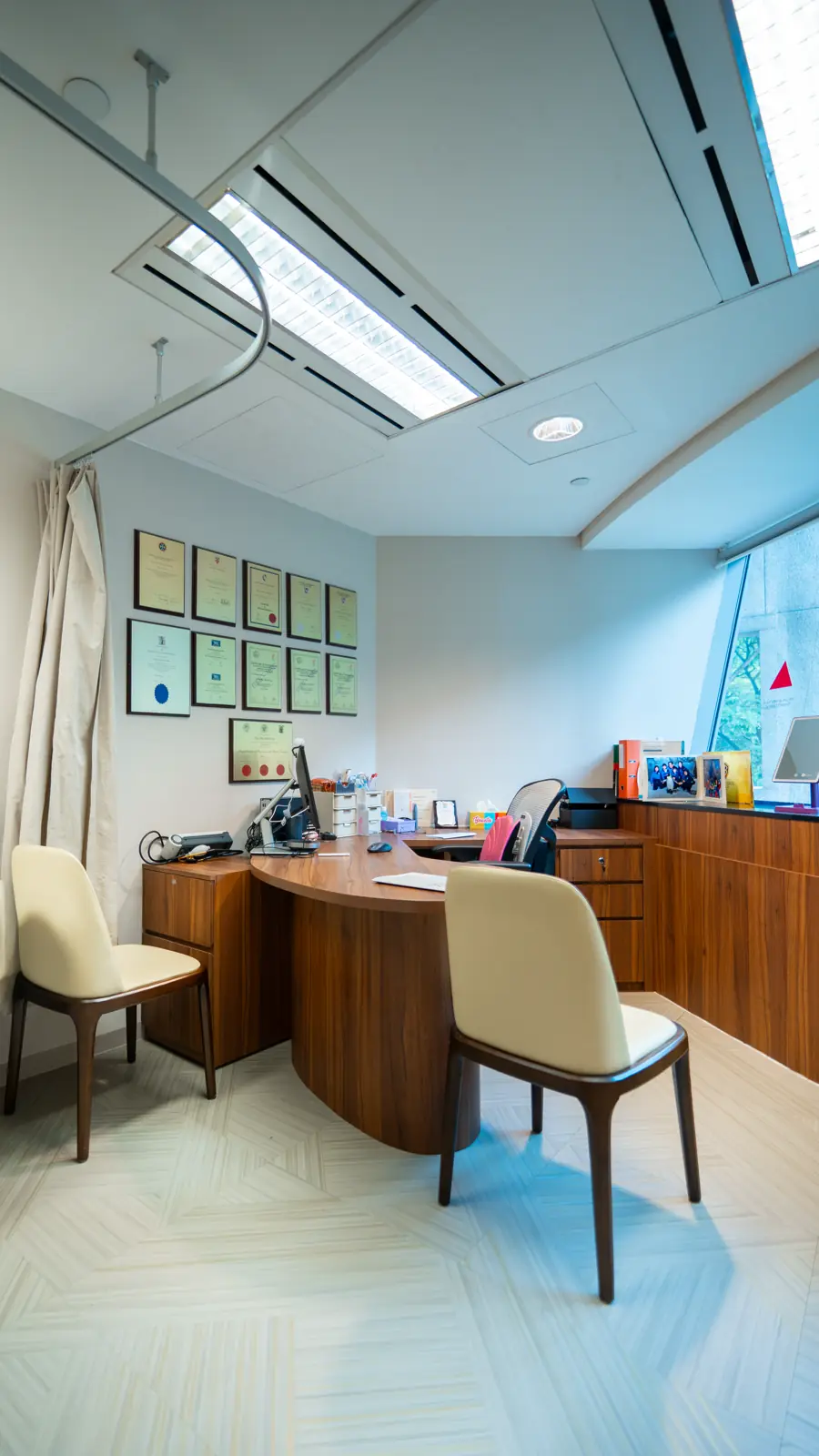
Doctor's consultation room at Fusion Medical, Wheelock Place
Your age, symptoms and family history decide where you start.

The screening pathway

How does colorectal cancer screening work?

Your doctor first separates routine screening from higher-risk surveillance and from symptoms that need investigating. At average risk, a negative FIT is repeated at the recommended interval. A positive FIT, or a higher-risk history, leads to colonoscopy, where the lining is examined and selected polyps are removed or sampled for the laboratory.

See the steps

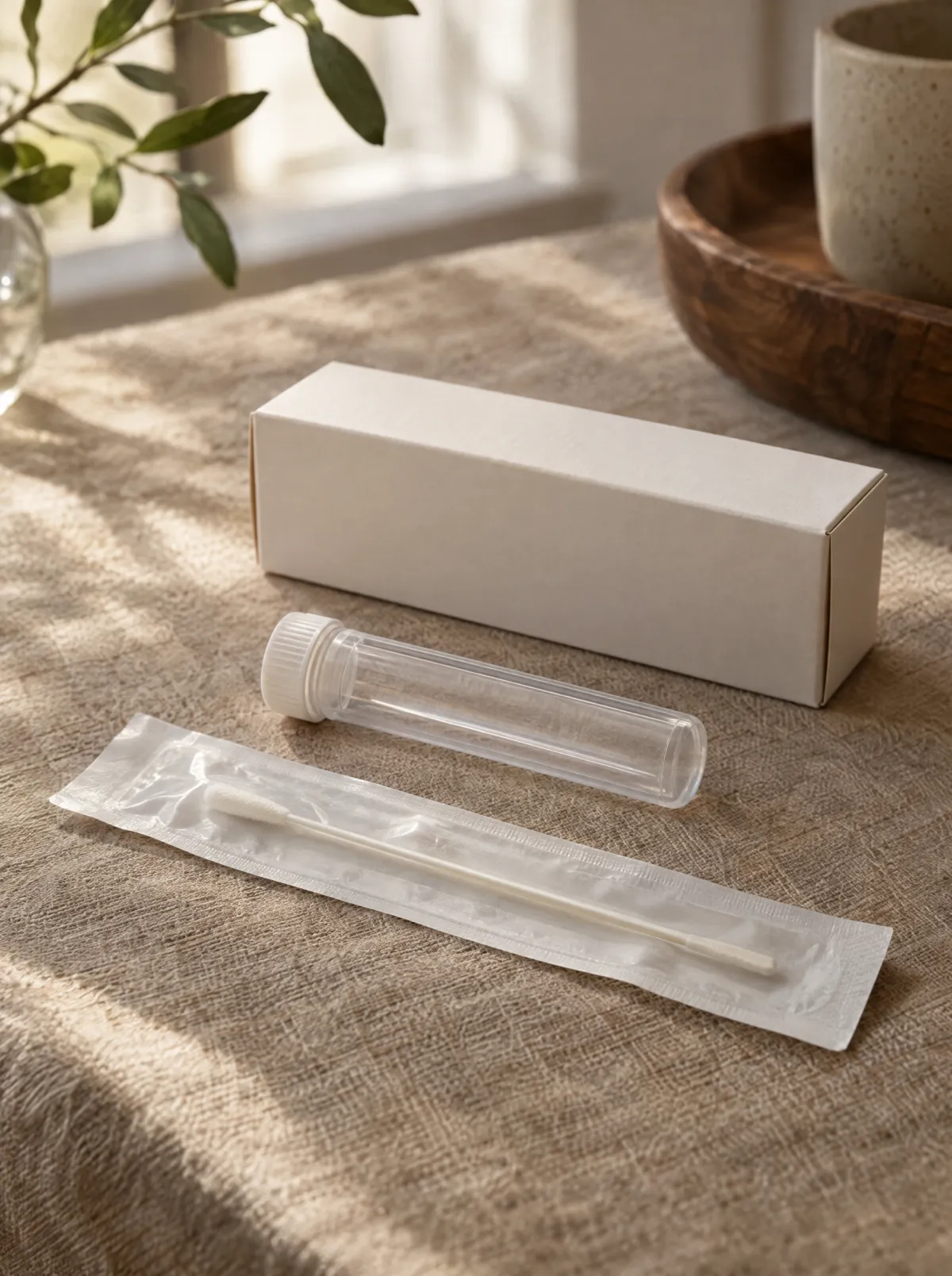
A home sample collection kit: a box, a sample tube and a wrapped swab on a table

A stool test at home

You collect a small stool sample at home with a simple kit. The faecal immunochemical test (FIT) looks for tiny amounts of human blood that you cannot see. A negative result is repeated at the recommended interval; a positive result needs a colonoscopy, not a second FIT.

A desk calendar with a date circled in pencil

A microscope with glass slides on a laboratory bench

Blood collection tubes in a rack beside a gauze pad

Who it's for

Screening, surveillance or a symptom check: which do you need?

FIT is meant for people at average risk who have no symptoms. A strong family history, inflammatory bowel disease, previous polyps or colorectal cancer may call for colonoscopy surveillance instead, and symptoms need a doctor's assessment.

Blood in your stool or a lasting change in bowel habit? See a doctor first.

Colorectal screening tests at a glance
Test What it does thenWhat happens next
FIT Looks for hidden human blood in a stool sample you collect at home. Negative: repeat at the recommended interval. Positive: colonoscopy.
Colonoscopy Examines the lining of the colon and rectum; selected polyps can be removed. Needs bowel preparation and sedation planning.
Pathology Examines removed polyps or tissue under a microscope. Confirms the diagnosis and sets surveillance or treatment.
Symptom assessment Investigates bleeding, anaemia or a change in bowel habit. May include colonoscopy and other tests, depending on your symptoms.
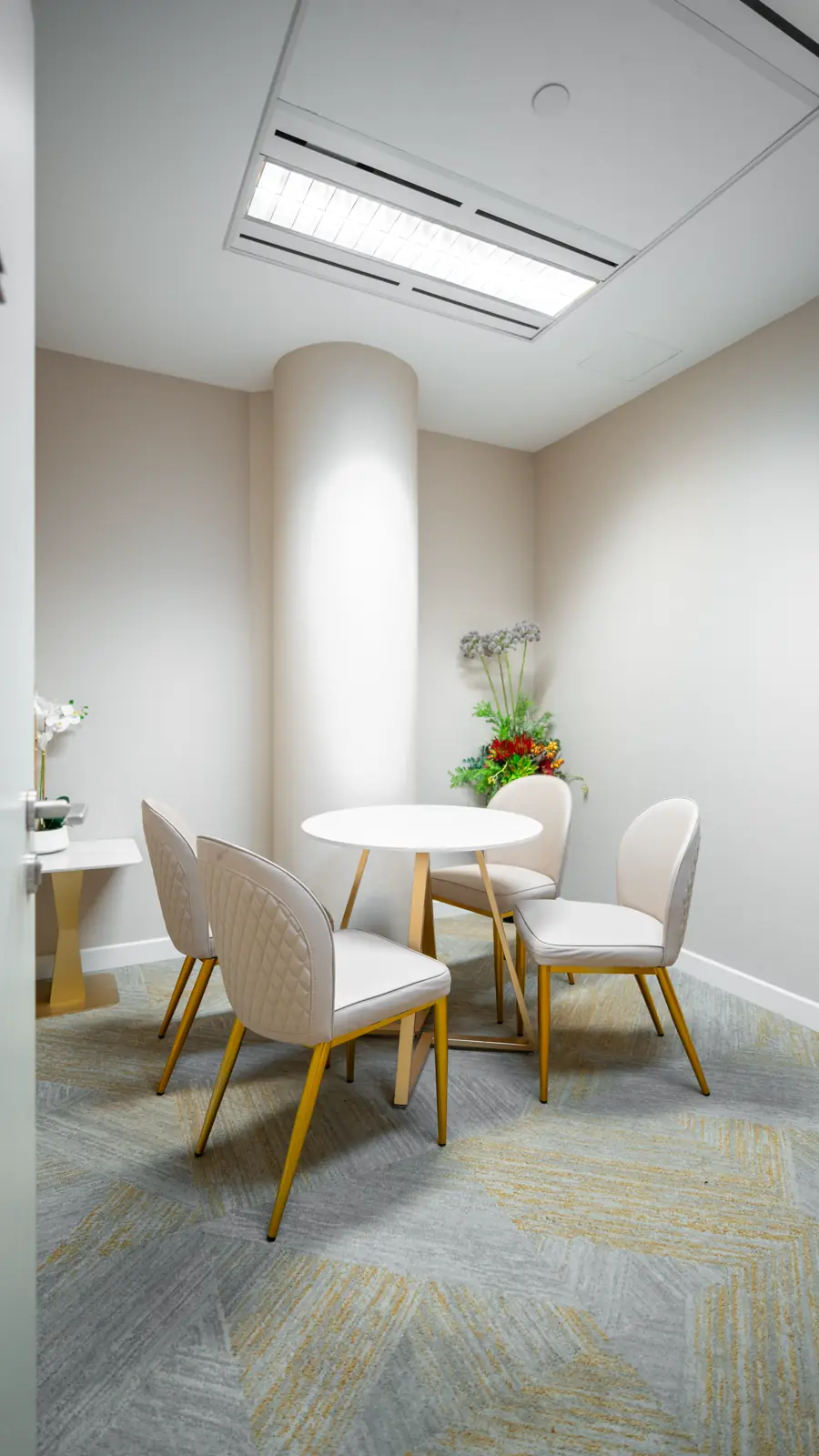
Private consultation room with a round table and chairs at Fusion Medical
Printed reports, a fountain pen and reading glasses on a wooden desk

Your screening, step by step

Review. Screen. Follow up. Plan.

  1. Review

    Your doctor checks your age, symptoms, family history and any previous polyps or bowel tests, and advises a FIT or a colonoscopy.

  2. Screen

    Collect your FIT sample at home, or prepare for colonoscopy by following the bowel-preparation, diet, medicine and transport instructions exactly.

  3. Follow up

    A positive FIT or an abnormal finding is followed through with colonoscopy and, when tissue is taken, pathology.

  4. Plan

    Your doctor sets your next screening or surveillance date from the complete result.

From our doctors

What to expect at a colonoscopy

Dr Juliana explains how to prepare for a colonoscopy and what happens on the day.

Dr Juliana Latif on preparing for a colonoscopy

Safety & expectations

A positive stool test is not a cancer diagnosis, but it does need a colonoscopy.

Bring previous FIT, colonoscopy and pathology reports, a list of your medicines and your family history. Tell us about blood thinners, diabetes medicines and any symptoms, as they can change the plan.

Colorectal Cancer Screening: frequently asked questions

Where can I get colorectal cancer screening in Singapore?

Fusion Medical provides colorectal cancer screening at Wheelock Place, 501 Orchard Road. Our doctors review your age, symptoms and family history, advise whether a stool test (FIT) or a colonoscopy suits you, and arrange a colonoscopy when you need one. Eligible residents can have a subsidised FIT kit here under Healthier SG Screening. A stool test for hidden blood is also included in most of our health screening packages.

What is a FIT test?

FIT stands for faecal immunochemical test. It is a stool test you do at home that detects small amounts of human blood that may not be visible. For many adults at average risk, it is a simple first step in colorectal cancer screening, repeated at the recommended interval while the result stays negative.

What happens after a positive FIT?

A positive FIT means blood was detected above the test's threshold. It is not a cancer diagnosis, but a colonoscopy is recommended to find the source of the bleeding. A second FIT should not be used to cancel the colonoscopy. Your doctor explains the result and arranges the next step with you.

Should I have a FIT or a colonoscopy?

It depends on your risk. For many adults at average risk with no symptoms, a FIT at home is a simple first step, repeated at the recommended interval. A colonoscopy is needed after a positive FIT, and may be advised instead of FIT if you have a strong family history, previous polyps or colorectal cancer, or inflammatory bowel disease. Colonoscopy can also remove selected polyps. Your doctor advises which suits you.

Does a negative FIT rule out bowel cancer?

No. A negative FIT lowers concern about bleeding at the time of the test, but it does not explain symptoms or remove the need for future screening. Repeat it at the recommended interval, and see a doctor about bleeding, black stools or a lasting change in bowel habit, whatever your last result.

How often should I be screened?

Singapore's national screening programme recommends a FIT every year for adults aged 50 and above while they remain eligible (see Screen for Life). After a colonoscopy, the interval depends on the findings, including the quality of the examination and the number and type of any polyps. Your doctor sets the date of your next test from the complete result.

How do I prepare for a colonoscopy?

Follow the bowel-preparation, diet, medicine and transport instructions from the clinic or endoscopy centre exactly, because a well-cleared bowel lets the lining be seen clearly. Tell your doctor about blood thinners, diabetes medicines and supplements, which may need specific advice, and do not stop any medicine on your own. Sedation is planned in advance, so arrange how you will get home.

Can I use MediSave for a screening colonoscopy?

Yes. Singapore Citizens and Permanent Residents aged 50 and above can use MediSave for a screening colonoscopy, within CPF MediSave withdrawal limits. Your doctor first advises whether a stool test (FIT) or a colonoscopy suits your age, symptoms and family history, and the clinic confirms the fee and your MediSave claim before the colonoscopy is booked.

Appointments

Talk to a doctor about bowel screening.

Book a consultation at Wheelock Place. Our doctors will advise whether a stool test or a colonoscopy suits your age, history and symptoms.

501 Orchard Road, #04-11 Wheelock Place, Singapore 238880 · Mon–Fri 8:30am–5:30pm · Sat 8:30am–1pm