Fusion Medical
clinic singapore
+65 6235 1512
Have Any Questions?
Mon-Fri : 8:30am – 5:30pm┃Sat : 8:30am – 1:00pm
wheelock@fusionmedical.com.sg
501 Orchard Rd #04-11, Singapore 238880
Fusion Medical
clinic singapore
+65 6235 1512
Have Any Questions?
Fusion Medical
clinic singapore
A woman in her thirties preparing a breakfast of yoghurt and fruit at a sunlit kitchen counter

Gut health · Singapore

Gut health screening that starts with your symptoms.

Bloating, reflux, pain or a change in bowel habit can have many causes. Our doctors map your symptoms and risk first, then choose only the tests that can change your care.

What is gut health screening?

Start with the symptom pattern, then choose the test that can change care.

Gut health screening is a doctor-led review of your digestive health. It separates routine screening, such as a stool test for colorectal cancer when you have no symptoms, from the assessment of bloating, pain, reflux, a change in bowel habit, bleeding or weight loss. Your history and risk then decide which stool, blood or other tests are worth doing.

The digestive tract runs from the mouth to the anus and includes the stomach and the small and large intestines. The microorganisms living in the intestines, known as the gut microbiome, help break food down into nutrients. A gut microbiome test can describe these bacteria, but it does not replace validated screening or the assessment of persistent symptoms.

  • Symptom-led — timing, triggers and warning signs guide the review
  • Risk-aware — age, family history, medicines and past illness
  • Targeted tests — each one chosen for a clinical reason
  • Prompt referral — bleeding, anaemia or weight loss may need a specialist
A notebook and pen on a table, for keeping a short symptom record
A short symptom and bowel record is more useful than a perfect food diary.

Possible tests

Which gut tests might you need?

Reflux, bloating, diarrhoea, constipation and pain are patterns rather than diagnoses, and diet, infection, medicines, irritable bowel syndrome, inflammation and structural disease can overlap. Your doctor selects stool, blood or other tests for a clinical reason, and reserves imaging or endoscopy for the question it can answer.

See the steps

A home sample collection kit: a box, a sample tube and a wrapped swab on a table

Stool tests

Stool tests can look for selected infections, inflammation or digestion markers, chosen by your symptoms, exposures and how long they have lasted. A FIT, which looks for small amounts of blood, is used for colorectal cancer screening in people without symptoms; a positive result needs a colonoscopy.

Blood collection tubes in a rack beside a gauze pad

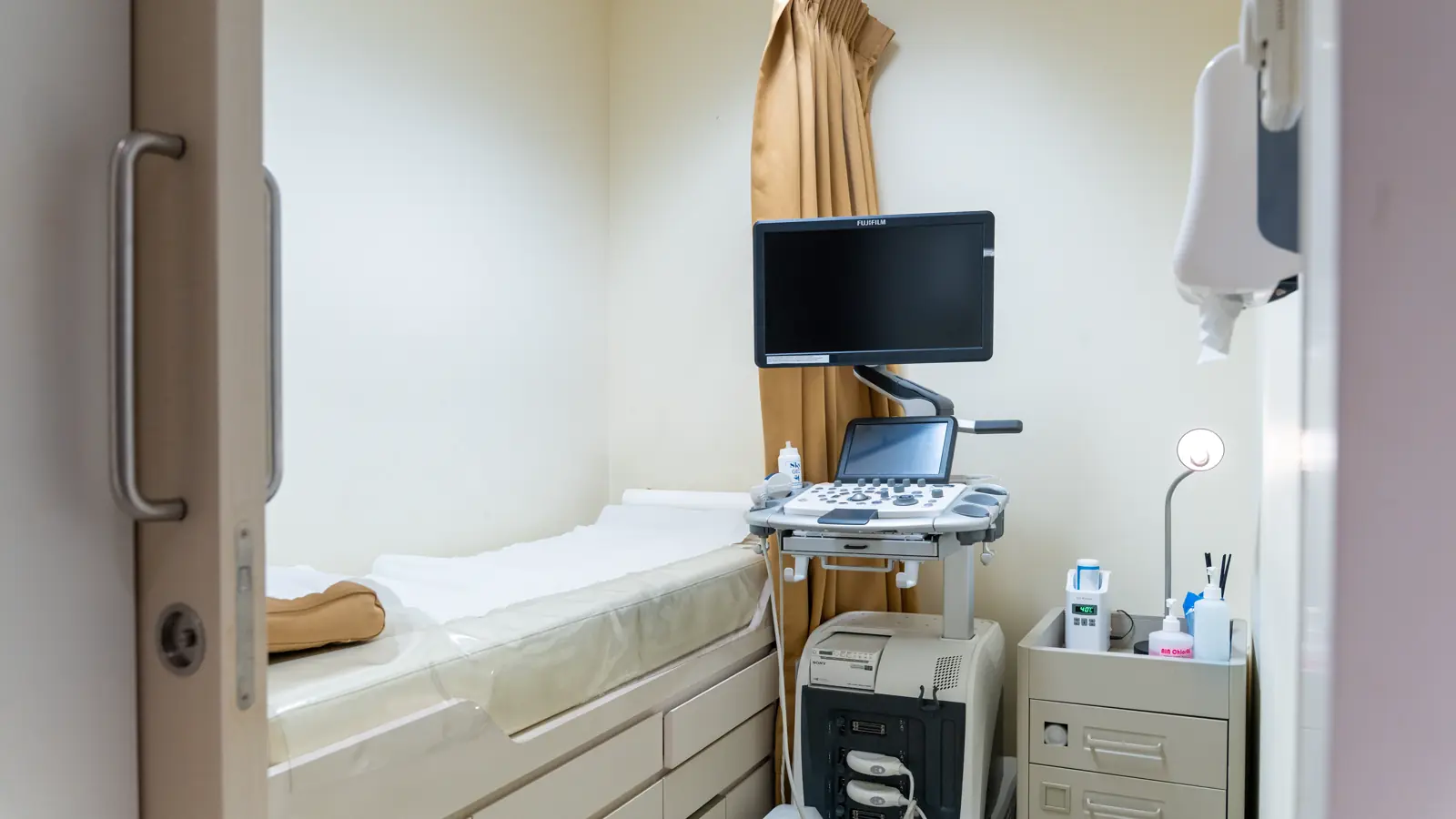
Ultrasound room at Fusion Medical, Wheelock Place, with an examination couch and ultrasound machine

A bowl of yoghurt with berries, sliced fruit and a glass of water on a wooden table

What the review covers

What can a gut health review look at?

The same symptom can come from different parts of the digestive tract. Preventive FIT screening is for eligible people without symptoms; visible blood or other warning signs need a diagnostic review instead.

Black or bloody stools, severe pain or fainting? Seek medical care promptly.

Possible gut tests at a glance
Test What it may assess thenImportant context
FIT stool test Small amounts of blood, for average-risk colorectal screening. A positive test needs colonoscopy; symptoms need a diagnostic route.
Other stool tests Selected infections, inflammation or digestion markers. Ordered according to symptoms, exposures and duration.
Blood or breath tests Anaemia, inflammation, coeliac disease, organ markers or selected infections. Preparation and interpretation vary by test.
Imaging or endoscopy A direct or structural look at the digestive tract. Used when symptoms, risk or earlier results justify it.
Gut microbiome test The make-up of the bacteria in a stool sample. Descriptive; does not replace screening or diagnosis.
Doctor's consultation room at Fusion Medical, with a desk, an examination couch and a window
A stethoscope on a wooden desk beside a notebook

Your gut health review

Listen. Examine. Investigate. Review.

  1. Listen

    Your doctor maps your symptoms, diet, bowel pattern, medicines and family risk.

  2. Examine

    Vital signs and a focused examination of your abdomen and general health.

  3. Investigate

    Stool, blood, breath, imaging or endoscopic tests, chosen only when they are useful.

  4. Review

    Your doctor explains the findings and plans treatment, monitoring or referral.

Safety & expectations

Normal tests do not mean persistent symptoms should be ignored.

Results are read with your symptom pattern and examination. Seek prompt review for black or bloody stools, persistent vomiting, severe pain, fainting, difficulty swallowing that is getting worse, or unexplained weight loss.

Gut Health Screening: frequently asked questions

Where can I get gut health screening in Singapore?

Fusion Medical offers doctor-led gut health screening at Wheelock Place, 501 Orchard Road. Our doctors review your symptoms, bowel pattern, medicines and family history, examine you and suggest targeted tests, such as stool, blood or breath tests or an abdominal ultrasound. If you need a gastroscopy or colonoscopy, your doctor refers you and goes through the results with you.

Is gut health screening the same as colorectal cancer screening?

No. Colorectal cancer screening checks people without symptoms, usually with a stool test (FIT) from age 50. A gut health review looks at symptoms such as bloating, pain, reflux or a change in bowel habit, and uses the tests that fit them. Persistent symptoms or visible blood need a diagnostic assessment rather than screening.

Which tests might I need?

It depends on your symptoms and risk. Testing may include a FIT, other stool tests, blood or breath tests, imaging such as an abdominal ultrasound, or a gastroscopy or colonoscopy. Your doctor explains why each test is suggested and what its result could change, so you avoid tests that will not help.

Do I need a gut microbiome test?

Not routinely. A gut microbiome test describes the bacteria in a stool sample and gives general diet and lifestyle suggestions, but it does not replace validated screening or the investigation of persistent symptoms. We offer the test; if you are interested, your doctor can first explain what it can and cannot tell you.

Should I stop certain foods before the visit?

Avoid major elimination diets before your assessment unless your doctor advises one. Cutting out foods can change your symptoms and make testing harder to interpret. Keep eating as usual, note which foods seem to affect you, and do not stop prescribed medicines.

What warning signs need prompt review?

Black or bloody stools, severe pain, persistent vomiting, fainting, difficulty swallowing that is getting worse, anaemia or unexplained weight loss need timely medical care. Do not wait for a screening appointment if you have any of these.

What if all my tests are normal?

Normal results are reassuring, but they do not mean persistent symptoms should be ignored. Some digestive conditions, such as irritable bowel syndrome, have normal routine tests but still benefit from structured treatment. Your doctor reads your results with your symptom pattern and plans treatment, monitoring or referral.

Appointments

Talk to a doctor about your gut.

Book a consultation at Wheelock Place. Bring a short record of your symptoms and bowel pattern, and our doctors will suggest only the tests that can help.

501 Orchard Road, #04-11 Wheelock Place, Singapore 238880 · Mon–Fri 8:30am–5:30pm · Sat 8:30am–1pm