


One blood sample
After your consultation, a standard blood sample is taken and sent to the laboratory with the completed forms. No tissue sample is needed.




Multi-cancer blood test · Singapore
One blood sample is checked for signals linked to several cancers. Each test is prescribed by a doctor, used alongside your usual screening, and a detected signal needs further tests.
A blood test for cancer signals, used alongside, not instead of, your usual screening.
LucenceINSIGHT is a multi-cancer early detection blood test, also called a liquid biopsy. It looks for DNA and other signals that cancer cells can release into the blood, including DNA from some cancer-linked viruses. It is prescribed by a doctor and does not diagnose cancer: a detected signal needs further tests, such as imaging, endoscopy or a biopsy, to confirm or rule out cancer.
SPOT-MAS, from Gene Solutions, is the other multi-cancer blood test we offer. It looks at cell-free DNA in the blood and uses AI-assisted analysis of several features of that DNA, such as methylation and fragment patterns, to look for signals that may be linked to cancer. It is designed to screen for 10 cancer types: lung, breast, colorectal, stomach, liver and biliary tract, uterine, oesophageal, ovarian, pancreatic, and head and neck cancer. Like LucenceINSIGHT, it does not diagnose cancer, and a detected signal needs further tests.
It is used in addition to established screening, such as mammograms, cervical screening and colorectal screening, and not in place of them. Both tests are described for adults aged 40 and above and for people with a higher risk of cancer, but whether it suits you is an individual decision made with your doctor. It is not recommended if you are pregnant or have been in cancer remission for less than 3 years.
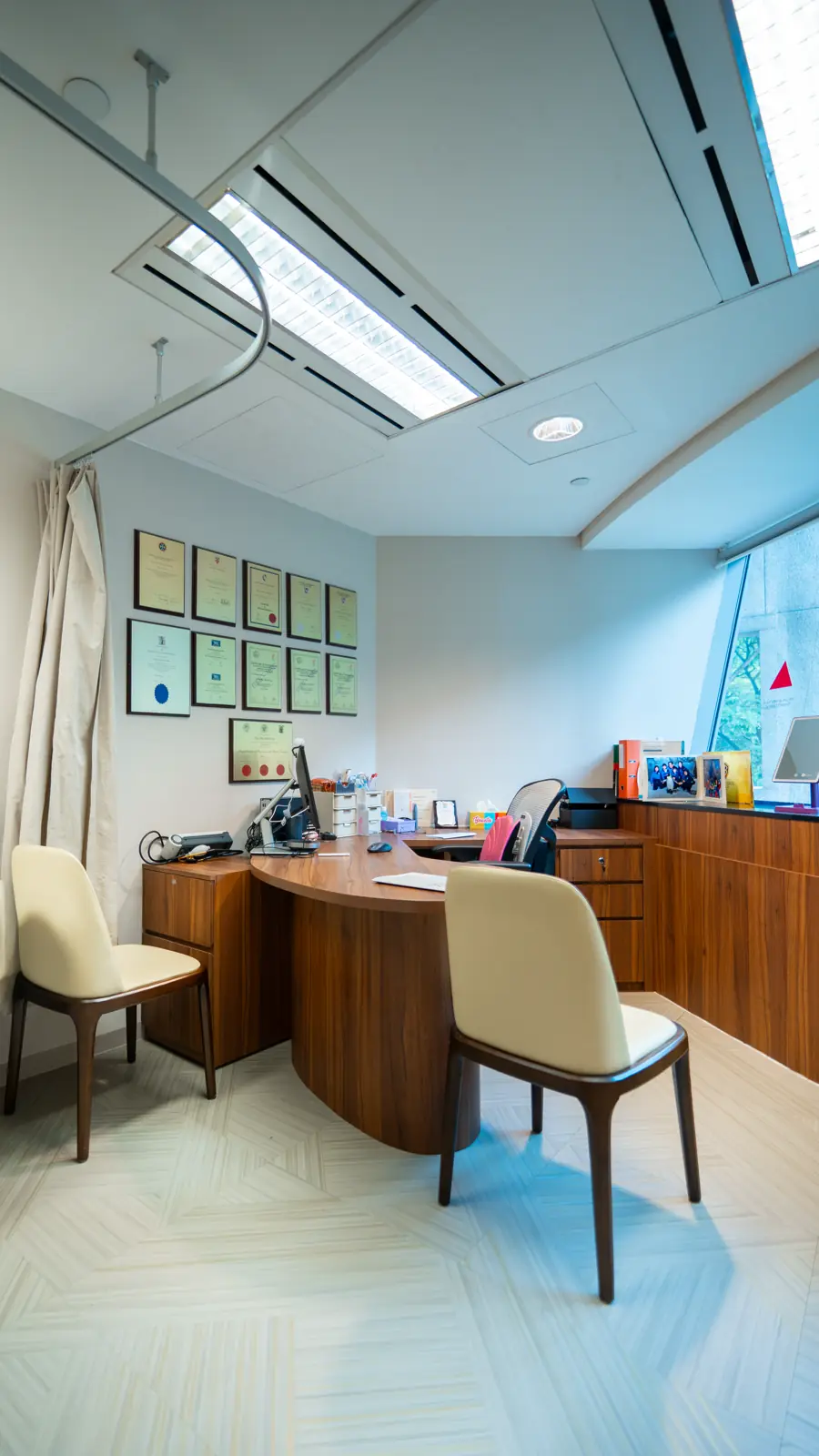
How it works
A blood sample contains fragments released by normal and abnormal cells. The laboratory uses molecular barcoding and next-generation sequencing to look for selected cancer-related signals. The report says whether a cancer signal was detected and may suggest the likely tissue of origin; your doctor then plans any confirmatory tests. SPOT-MAS analyses methylation and fragment patterns in cell-free DNA with AI-assisted software.
One blood sample
After your consultation, a standard blood sample is taken and sent to the laboratory with the completed forms. No tissue sample is needed.
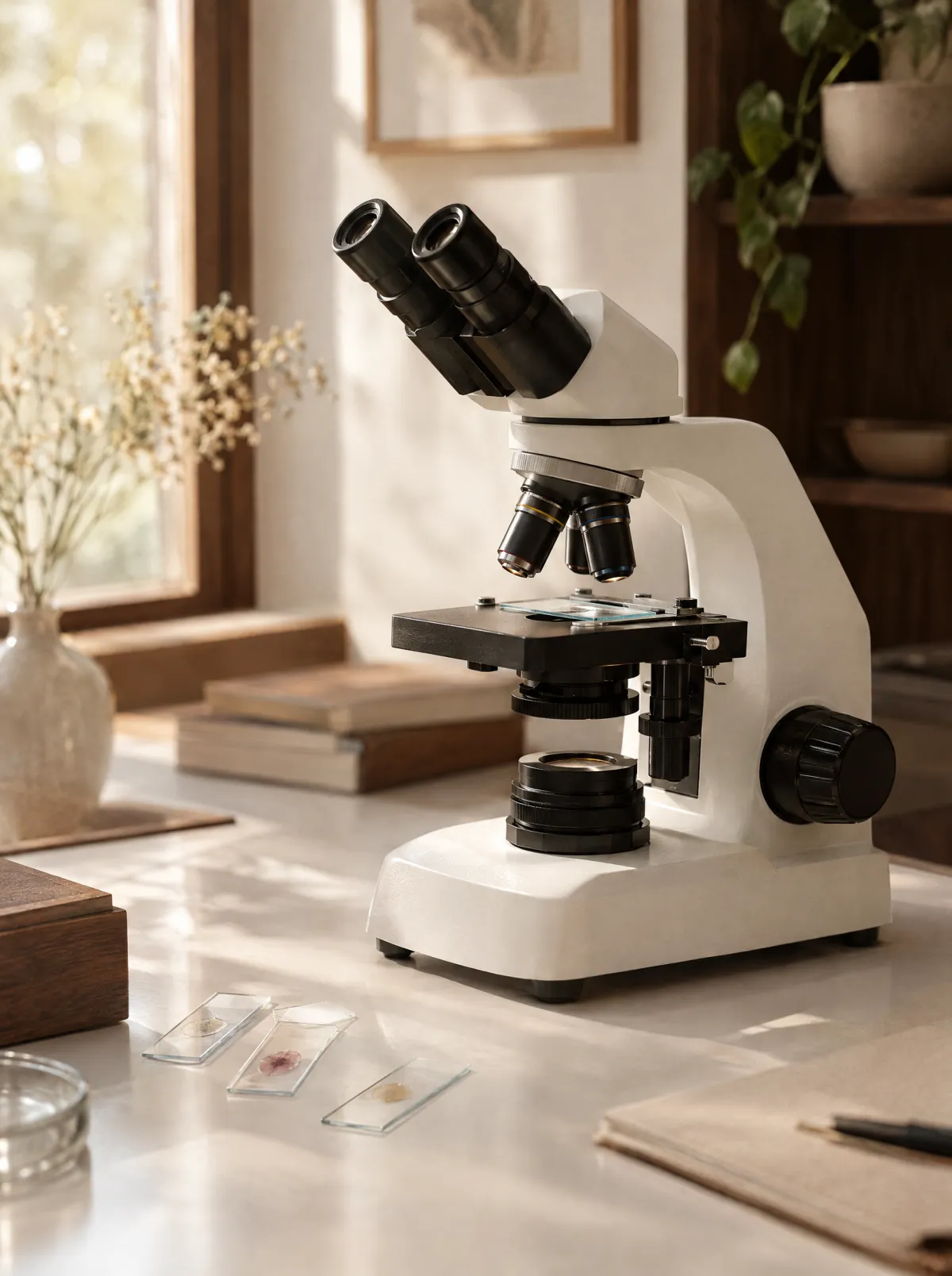
Sequencing for cancer signals
The laboratory looks for tumour DNA and other cancer-related signals, including DNA from some viruses linked to cancer, using the panel your doctor selected. A LucenceINSIGHT report is usually ready in about 18 working days, and a SPOT-MAS report in about 2 to 3 weeks.

What the report can say
The report states whether a cancer signal was detected. If one was, it may suggest where in the body the signal is likely to come from. That is a guide for further tests, not a diagnosis.
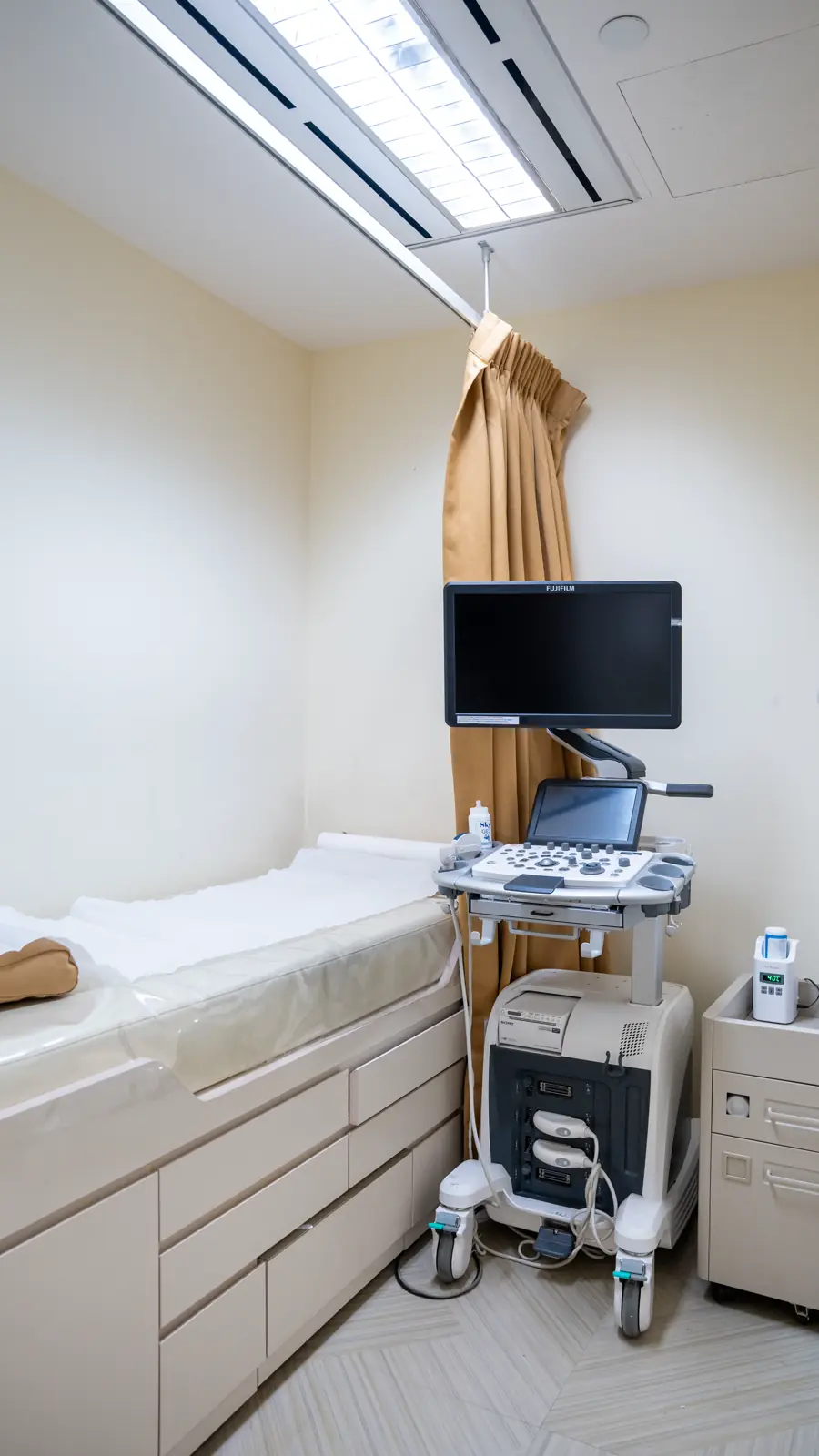
If a signal is detected
A detected signal starts a diagnostic process. Depending on the suggested origin and your history, the next step may be imaging, endoscopy, a specialist review or a biopsy.
Who may consider it
Its value depends on your age, your risk, what you expect from it and whether you are ready for follow-up tests. Your doctor reviews your family and smoking history, previous cancers, symptoms and any screening already due.
Not recommended if you are pregnant or have been in cancer remission for less than 3 years.
Lucence describes the test for adults from 40, as an addition to routine screening.
A family history of cancer, smoking, heavy drinking, a high-fat and low-fibre diet, or a history of HPV or Epstein-Barr virus infection.
A mammogram, cervical screening or a colorectal test still comes first when it is due.
See a doctor about it; a blood test should not delay that assessment.
A detected signal may lead to imaging, endoscopy, a specialist review or a biopsy.


Your test, step by step
Your doctor reviews your risk, symptoms and standard screening, and explains the panels, limits, cost and possible follow-up.
A blood sample is taken and the laboratory forms are completed.
The laboratory processes your sample with the selected panel; the report takes about 18 working days for LucenceINSIGHT and about 2 to 3 weeks for SPOT-MAS.
Your doctor explains the report and plans any confirmation or follow-up.
From our doctors
Our doctors explain how a liquid biopsy looks for fragments of genetic material in the bloodstream, how SPOT-MAS uses AI to analyse those signals, and why a flagged result leads to further tests rather than a diagnosis. Both tests sit alongside mammograms, colonoscopy and Pap smears rather than replacing them.
Safety & expectations
A screening signal is not the same as a diagnosis.
Bring your family cancer history, previous screening and imaging results, medical conditions, medicines and any current symptoms. Your doctor confirms whether standard screening is due, and discusses the panel, possible outcomes, cost and the need for confirmatory tests.
Fusion Medical offers LucenceINSIGHT at Wheelock Place, 501 Orchard Road, after a consultation with one of our doctors. The doctor checks whether the test suits you, which panel to use and whether any standard screening is due first, then arranges the blood test and goes through the report with you.
No. It is a screening test that looks for cancer-related signals in the blood. A detected signal starts a diagnostic process of further tests, which may include imaging, endoscopy, a specialist review or a biopsy. A result showing no signal does not rule out cancer.
That depends on the panel. Fusion Medical offers all the LucenceINSIGHT panels, including Core, 12-cancer, 50-cancer and personalised panels. They differ in the cancer types they look for, and your doctor explains which suits you.
SPOT-MAS is a multi-cancer blood test from Gene Solutions. It looks at cell-free DNA in a blood sample and uses AI-assisted analysis of features such as DNA methylation and fragment patterns to look for signals that may be linked to cancer. It is a screening test, not a diagnosis: a detected signal needs further tests, and a result with no signal does not rule out cancer.
SPOT-MAS is designed to screen for 10 cancer types: lung, breast, colorectal, stomach, liver and biliary tract, uterine, oesophageal, ovarian, pancreatic, and head and neck cancer. Several of these, such as pancreatic and ovarian cancer, have no routine screening test, but SPOT-MAS does not replace the screening recommended for you, such as mammograms, cervical screening and colorectal screening.
The two tests look for cancer signals in different ways and cover different cancer types, and neither is right for everyone. Your doctor goes through your age, family and personal history, which cancers each test covers, how long each report takes and the cost, and checks whether any standard screening is due first.
No. Keep up with the screening recommended for your age, sex and risk, such as mammograms, cervical screening and colorectal screening. LucenceINSIGHT and SPOT-MAS may look for signals linked to cancers that have no routine screening test, but each is an addition to established screening, not a replacement.
It means no reportable cancer signal was detected in that blood sample. It does not rule out cancer or remove the need to assess symptoms. Continue your recommended screening, and see a doctor about any new or persistent symptom, whatever the result.
Lucence and Gene Solutions describe their tests for adults aged 40 and above, and Lucence also for people with a higher risk of cancer, such as a family history, but a doctor must assess whether a test suits you. LucenceINSIGHT is not recommended if you are pregnant or have been in cancer remission for less than 3 years.
Lucence reports a specificity of 99% for its multi-cancer test. This means that, among people without cancer, about 1 in 100 may still receive a 'cancer signal detected' result. Specificity does not show how many cancers the test finds, and no screening test finds every cancer. That is why a negative result does not rule out cancer, and a detected signal needs confirmatory tests.
A LucenceINSIGHT report is usually ready in about 18 working days after your blood sample is taken, and a SPOT-MAS report in about 2 to 3 weeks. Your doctor then goes through it with you and, if a signal is detected, explains which further tests are needed and why.
Our doctors

Appointments
Book a consultation at Wheelock Place. Our doctors check which standard screening is due first, then explain LucenceINSIGHT and SPOT-MAS, their limits and any follow-up they may lead to.